2026 Top Fastest Shipping Routes from China?

Time:2026-10-17 Author:Amelia
0%

In 2026, choosing the right China shipping route means balancing speed, cost, reliability, and cargo requirements. Many importers ask, “what are the fastest shipping routes from China?” The answer depends on destination, transport mode, customs readiness, and seasonal capacity. Air freight usually leads for urgent, high-value goods. Major gateways such as Shenzhen, Guangzhou, Shanghai, and Hong Kong connect quickly with Europe, North America, and the Middle East. Express air services can deliver selected shipments within several days, although rates rise sharply during peak seasons.

Speed is not limited to aircraft. China-Europe rail freight can offer a practical middle ground for shipments moving toward Central and Eastern Europe. It often takes longer than air freight but arrives faster than standard ocean service. For North America, direct air routes and integrated rail-air networks may reduce inland delivery time. Ocean freight remains slower, yet premium services, direct sailings, and ports near the final warehouse can improve the overall schedule. The quickest vessel is not always the quickest option.

Real shipment planning requires checking cutoff times, port congestion, weather, transshipment risks, and customs documentation. A missing commercial invoice can erase several days of savings. I have seen fast departures lose their advantage during destination handling. That detail is easy to overlook. Reliable comparisons should use current carrier schedules, verified transit records, and realistic door-to-door estimates. Transit times are not guarantees. They change. This guide examines the fastest shipping routes from China in 2026, while recognizing that the best route may be the one that performs consistently, not merely the one with the shortest advertised journey.
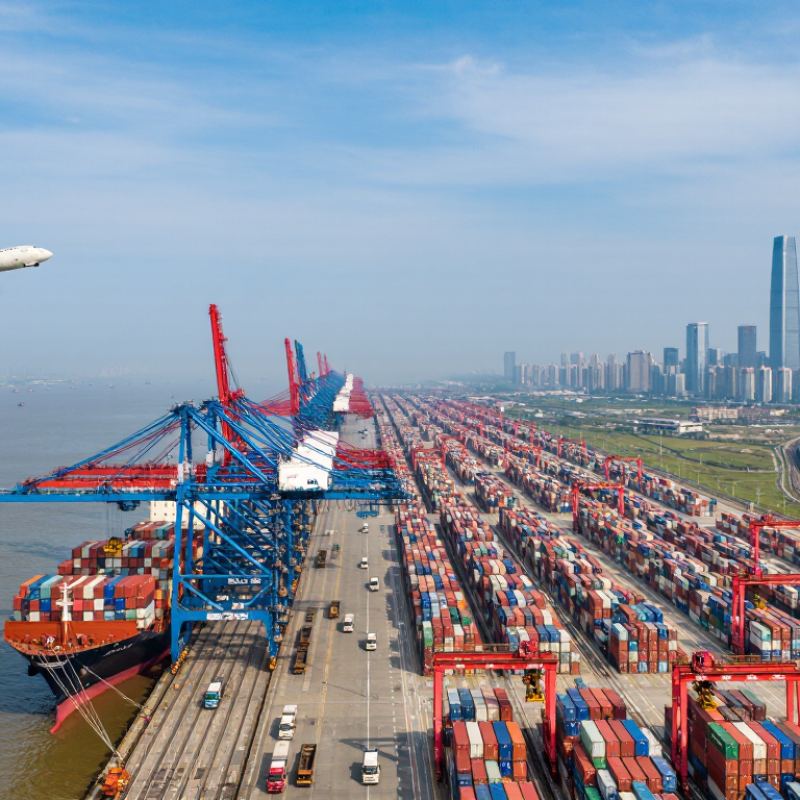
2026 Top Fastest Shipping Routes from China?

2026 Route-Speed Metrics: Transit Time, Cutoffs, and On-Time Data

2026 Route-Speed Metrics: Transit Time, Cutoffs, and On-Time Data

For 2026 planning, route speed means more than sailing hours. China–Singapore ocean services may take about four to seven days port-to-port. China–U.S. West Coast services often need fourteen to twenty-two days. Air freight can reach major Asian hubs in two to five days, including handling. These are planning ranges, not promises. UNCTAD’s Review of Maritime Transport 2024 reported continuing schedule disruption from chokepoints and rerouting. A short route can still lose several days.

Cutoff discipline matters. Export cargo usually needs delivery twelve to twenty-four hours before an airport departure. Ocean shipments commonly require documentation and container arrival twenty-four to forty-eight hours before vessel cutoff. Missing a cutoff may add three to seven days, depending on sailing frequency. That delay feels small at the warehouse, but it changes the customer promise. The World Bank’s Logistics Performance Index 2023 highlights customs, infrastructure, and shipment tracking as major factors in supply-chain reliability. Transit time alone is incomplete.

Measure on-time performance against the agreed arrival window, not the scheduled vessel date. A practical 2026 scorecard should track median transit, 90th-percentile transit, cutoff misses, and port dwell time. Use at least twelve weeks of lane data. Three shipments are not evidence. Weather, blank sailings, inspection holds, and terminal congestion can distort a monthly result. My own caution: published averages often look cleaner than real shipment records. Build buffer days, then review them after every quarter.

2026 Top Fastest Shipping Routes from China

Typical planning benchmarks based on publicly reported logistics schedules and industry service-level ranges. Transit times refer to port-to-port or airport-to-airport movement; actual results vary by origin, destination, customs, and season.

Shorter transit time and cutoff lead time generally indicate faster booking and movement, while the on-time percentage reflects a typical planning benchmark rather than a guarantee.

China–Europe Air Freight: 1–3 Days Using DHL Transit-Time Ranges

2026 Top Fastest Shipping Routes from China?

China–Europe Air Freight: 1–3 Days Using Published Transit-Time Ranges

For urgent China–Europe shipments, air freight remains the fastest practical route. Published express-carrier ranges often show one to three transit days between major gateways. A parcel leaving Shenzhen may reach Frankfurt or Amsterdam quickly when flights connect smoothly. The clock usually starts after pickup and export acceptance, not when an online order is placed. Small detail. Big difference.

This estimate fits major city pairs more closely than remote destinations. Door-to-door delivery can take longer because pickup, security screening, customs processing, and final-mile delivery add time. Weekends, public holidays, weather, and incomplete commercial invoices can also delay movement. I have seen well-packed cartons move efficiently, while one missing product description creates avoidable waiting. Accurate weights and dimensions matter too. Air charges often use the greater of actual and volumetric weight.

For reliable planning in 2026, compare the published transit range with the shipment’s real route. Check the origin airport, European gateway, service cutoff, and customs responsibilities. Keep invoices, packing details, and recipient information consistent. A one-day promise may be realistic for a major lane, but it is not a guarantee. Transit tables are useful planning tools, not crystal balls. Build a modest buffer for inventory commitments and customer updates. Then review actual delivery records each month, because seasonal congestion can expose assumptions that looked reasonable on paper.

China–Europe Rail: 12–18 Days, Benchmarked with UTLC ERA Reports

For 2026 planning, China–Europe rail remains a strong option for time-sensitive cargo. Published corridor reports commonly place transit times between 12 and 18 days. This range reflects efficient rail movement under prepared conditions. It is not a universal promise.

A western China departure can reach Central Europe within about two weeks when border handling stays smooth. Inland collection, terminal loading, customs checks, and final delivery add extra time. I check each stage before quoting a schedule.

A single missing document can hold a container for hours or longer. Small delays accumulate quickly. Rail needs discipline.

The 12–18-day benchmark should be read carefully. Some reports measure terminal-to-terminal transit, while logistics providers may quote door-to-door timing. Those figures are different.

Independent corridor data improves planning, but reporting methods are not always consistent. I prefer comparing planned days with actual arrival records. That exposes weak assumptions.

Peak seasons may extend border dwell time. Weather can also affect inland connections. Cargo readiness matters just as much as train speed. For urgent shipments, air freight may still be faster.

For heavier loads, rail often offers a practical balance between cost and transit time.

The 12-day target is achievable. The 18-day expectation is safer.

China–US West Coast Sea: 14–21 Days, Based on Freightos Transit Data

2026 Top Fastest Shipping Routes from China?

China–US West Coast Sea: 14–21 Days, Based on Freightos Transit Data

For many 2026 shipments, the China–US West Coast sea route remains a practical speed option. Freightos transit data places ocean transit near 14–21 days. This range usually covers port-to-port movement, not the entire delivery process. The clock starts after vessel departure. It does not include factory preparation, port waiting, customs clearance, or inland trucking. That distinction matters.

Schedules can change quickly. A container may wait for a vessel, inspection, or berth availability. Weather and port congestion can add several days. Experienced shippers therefore build a buffer of five to seven days. Tight cargo should not depend on the fastest estimate. Reliability beats a perfect spreadsheet.

Tips: Confirm the cargo cutoff before production ends. Ask for the estimated sailing date and arrival port. Check whether the quote includes terminal handling and inland delivery. Keep commercial documents accurate and ready. A missing detail can delay release. Track milestones, not just the final arrival date. Route performance also deserves regular review, because a 14-day transit today may not remain 14 days next month.

2026 Top Fastest Shipping Routes from China? - China–US West Coast Sea: 14–21 Days, Based on Freightos Transit Data

Typical port-to-port transit planning ranges for major China export gateways. Actual schedules may change because of vessel availability, port congestion, weather, canal conditions, customs procedures, and transshipment.

Rank Origin Gateway in China Destination Region Primary Transport Route Typical Transit Time Approx. Distance Best Use Case Operational Notes
1 Shanghai Los Angeles / Long Beach Direct trans-Pacific sea service 14–21 days Approximately 10,500 km Time-sensitive full-container shipments to the U.S. West Coast One of the shortest major ocean corridors from China to North America; final delivery requires additional inland time.
2 Ningbo-Zhoushan Los Angeles / Long Beach Direct trans-Pacific sea service 15–22 days Approximately 10,700 km Export cargo from eastern and central China Transit time is generally comparable with Shanghai, subject to sailing frequency and port conditions.
3 Shenzhen Los Angeles / Long Beach Direct trans-Pacific sea service 16–23 days Approximately 11,700 km Manufactured goods from southern China A practical West Coast option when cargo is produced in Guangdong or nearby manufacturing areas.
4 Qingdao Los Angeles / Long Beach Trans-Pacific sea service 18–25 days Approximately 10,000 km Northern China exports and agricultural equipment The route may be affected by seasonal weather and vessel rotations in northern ports.
5 Shanghai Oakland / San Francisco Bay Area Trans-Pacific sea service 15–22 days Approximately 10,400 km Containerized cargo for Northern California Port-to-port time excludes drayage, rail movement, customs clearance, and final-mile delivery.
6 Shenzhen Vancouver / Prince Rupert North Pacific sea service 18–26 days Approximately 10,800–11,500 km Shipments bound for Western Canada or the U.S. Pacific Northwest Canadian port selection can reduce inland distance for some destinations but may require rail or truck transfers.
7 Shanghai New York / New Jersey Trans-Pacific route plus U.S. inland movement, or all-water service via Panama 30–45 days Approximately 20,000–22,000 km East Coast deliveries where ocean cost is prioritized Longer transit reflects the greater sailing distance and possible canal, port, or transshipment delays.
8 Shanghai Rotterdam / Northern Europe Asia–Europe sea route via the Suez corridor 30–40 days Approximately 20,500 km Large-volume shipments to European distribution centers Transit can increase materially when vessels are diverted around the Cape of Good Hope.

Data interpretation: Transit times are indicative port-to-port ranges commonly used for freight planning and are not guaranteed delivery times. They exclude export documentation, customs clearance, terminal handling, storage, inland transportation, and last-mile delivery.

China–Europe Sea via Suez: 30–40 Days, Compared with UNCTAD Benchmarks

2026 Top Fastest Shipping Routes from China?

China–Europe sea freight through the Suez Canal usually takes 30–40 days from port departure to European discharge. The estimate assumes normal sailing schedules, stable canal access, and limited port congestion. It is not a guaranteed delivery promise. Cargo may wait several days before loading, especially during peak export periods.

UNCTAD’s Review of Maritime Transport 2024 highlights how chokepoints strongly affect transit times and shipping costs. When vessels avoid the Red Sea route, the journey around the Cape of Good Hope can add roughly 3,000–3,500 nautical miles and 10–14 days. Against that disruption scenario, the 30–40-day Suez window remains commercially competitive. Yet, UNCTAD does not publish one universal China–Europe transit benchmark. Its data instead show that port efficiency, vessel deployment, congestion, and geopolitical conditions shape actual performance.

The World Bank’s Logistics Performance Index 2023 also identifies timeliness and border procedures as major logistics factors. In practice, a shipment from Ningbo or Shenzhen may spend more time in terminals than at sea. Document accuracy matters. So does the final European port. A 35-day sailing can become a 42-day delivery after customs clearance, rail transfer, and inland trucking. I would plan with a buffer, not optimism. Weather remains an awkward variable.

FAQS

How long does ocean shipping from China to Singapore usually take?

Port-to-port transit often takes four to seven days. This is a planning range, not a promise. Port congestion may add several days.

What is the typical ocean transit time from China to the U.S. West Coast?

Most services take about fourteen to twenty-two days. The final delivery may take longer after discharge. Customs, trucking, and terminal queues still matter.

How quickly can air freight reach major Asian hubs?

Air freight often takes two to five days, including handling. Cargo usually needs delivery twelve to twenty-four hours before departure. A missed cutoff can change the whole schedule.

How early should ocean cargo reach the terminal?

Documentation and container delivery commonly require twenty-four to forty-eight hours before cutoff. Missing the cutoff may add three to seven days. That delay looks small. Customers notice it.

How long does China–Europe rail freight usually take?

Rail transit commonly ranges from twelve to eighteen days. The shorter target needs smooth border handling. Eighteen days is safer for planning. Door-to-door timing may be longer.

What can delay China–Europe rail shipments?

Missing documents can hold a container for hours or longer. Border checks, terminal loading, weather, and inland collection also add time. Small delays accumulate quickly. Rail needs discipline.

How long does China–Europe sea freight through Suez usually take?

Port-to-port transit commonly takes thirty to forty days. The estimate assumes stable canal access and limited congestion. Waiting before loading may add several days. A buffer is sensible.

What happens when vessels avoid the Red Sea route?

Rerouting around the Cape can add about 3,000 to 3,500 nautical miles. Transit may increase by roughly ten to fourteen days. A short route can still lose time. My estimate may be too optimistic.

Which metrics should a 2026 shipping scorecard track?

Track median transit, 90th-percentile transit, cutoff misses, and port dwell time. Use at least twelve weeks of lane data. Three shipments are not evidence. Review buffers every quarter.

Conclusion

In 2026, what are the fastest shipping routes from China? The answer depends on the destination, service type, port schedules, customs processing, and daily cutoff times. Air freight to Europe is generally the quickest option, with typical transit times of about 1–3 days when shipments meet early booking and documentation requirements. Rail freight offers a balance between speed and cost, usually reaching Europe in approximately 12–18 days, while providing more predictable movement than many long-distance sea services.

For shipments to the United States West Coast, ocean freight commonly takes around 14–21 days under favorable conditions, although port congestion and inland delivery can extend the total timeline. Ocean transport from China to Europe through the Suez route generally requires about 30–40 days. Comparing transit ranges, cutoff performance, and on-time delivery data helps shippers select the most suitable route and build realistic delivery plans.

Amelia

Amelia

Amelia is a seasoned marketing professional with a wealth of expertise in our company’s core offerings. With an unwavering passion for driving growth and innovation, she plays a pivotal role in shaping our marketing strategies and enhancing brand visibility. A key aspect of her responsibilities......