What Is the Best Consolidated Shipping Service in China?

Time:2026-10-07 Author:Madeline
0%

What is consolidated shipping service? It combines several smaller shipments into one shared cargo movement. In China, suppliers may deliver cartons to a consolidation warehouse in Shenzhen, Guangzhou, Yiwu, or Ningbo. The operator checks labels, measures cartons, prepares export documents, and books shared space. One container leaves after multiple orders are grouped. The process can reduce freight costs and improve container utilization. It is not automatically faster.

The scale of global logistics explains its importance. UNCTAD’s Review of Maritime Transport 2024 reports that more than 80% of world merchandise trade by volume moves by sea. Meanwhile, the World Bank’s Logistics Performance Index 2023 evaluates shipment tracking, customs, infrastructure, and delivery reliability across 139 economies. China ranked 19th, with a score of 3.7. These figures show why visibility and coordination matter. A low price means little if cartons wait beside a loading dock for ten days.

Martin Christopher, a leading supply-chain scholar, wrote, “The goal of supply chain management is to create value for the customer at the least total cost to the supply chain.” Consolidated shipping applies that principle through shared space, planned collection schedules, and controlled handling. The best provider should show warehouse photographs, carton-level tracking, clear cut-off times, and a written fee schedule. Ask about remeasurement charges. Ask about delays, too. Small omissions can become expensive surprises. This guide compares China consolidation services through cost, transit time, cargo visibility, warehouse discipline, and customer support. The “best” option may not be the cheapest. It may simply create fewer problems.
What Is the Best Consolidated Shipping Service in China?

China’s Shipping Scale: 132.07 Billion Express Parcels Handled in 2023

What Is the Best Consolidated Shipping Service in China?

China’s shipping scale changes how consolidated freight should be evaluated. The State Post Bureau reported 132.07 billion express parcels in 2023. That volume represented about 19.4% annual growth and more than 360 million parcels daily. The scale is real. It also creates pressure on sorting accuracy, warehouse coordination, and delivery visibility.

A dependable consolidated service should combine parcels at origin, verify carton details, and provide milestone-based tracking. The 2023 World Bank Logistics Performance Index highlights customs efficiency, infrastructure, tracking, and timeliness as core logistics factors. These measures matter when several suppliers share one shipment. A low quoted rate may hide extra handling, storage, or remote-area charges. Ask for a complete cost sheet.

In practical operations, I would compare consolidation frequency, warehouse cut-off times, damage procedures, and data quality. China’s express network can move small parcels quickly, but speed is not always the best choice for fragile or irregular cargo. The China Federation of Logistics and Purchasing continues to use logistics activity indicators to monitor market momentum and operational demand. That context helps explain seasonal capacity changes. Still, published data cannot replace a warehouse check. One missed label can delay a full carton. Service records can be imperfect. Review actual scan events, exception handling, and delivery performance before choosing a shipping model.

How Consolidation Works: Warehouse Receiving, Parcel Batching, and Deconsolidation

What Is the Best Consolidated Shipping Service in China?

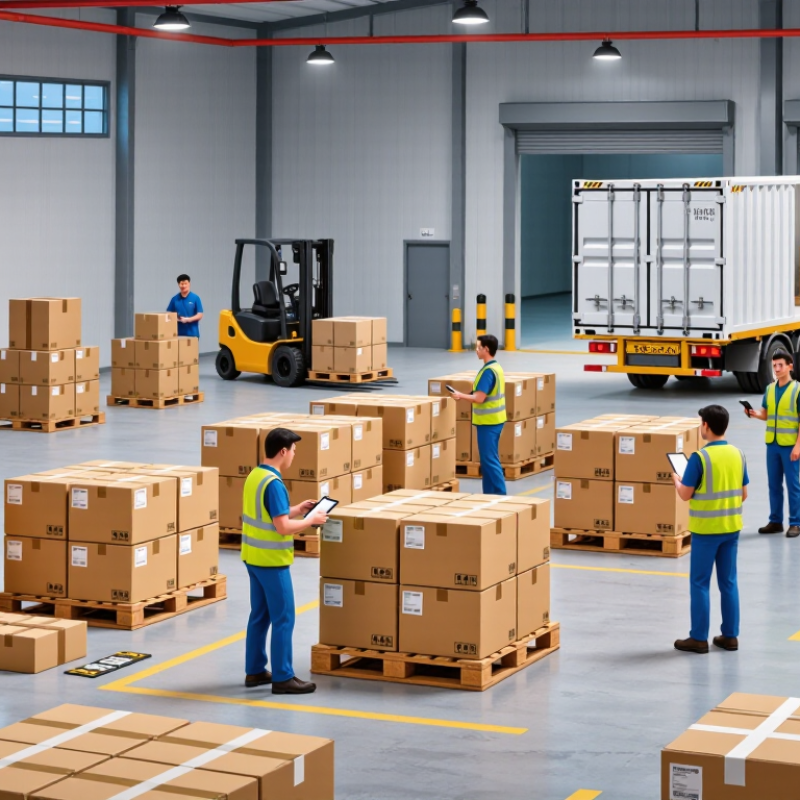
Consolidation begins when a warehouse receives parcels from several sellers. Staff check labels, count items, and record dimensions. Each parcel should receive a warehouse scan. This matters because China’s express delivery volume exceeded 132 billion parcels in 2023, according to the State Post Bureau of China. A clear receiving record reduces disputes. Still, mistakes happen. A damaged label can delay everything.

The warehouse then batches parcels by destination, transport method, weight, and delivery deadline. Several small packages may enter one export shipment. This can reduce repeated handling and improve space usage. UNCTAD’s Review of Maritime Transport 2023 notes that maritime shipping carries over 80% of global merchandise trade by volume. Consolidated cargo therefore needs accurate packing lists and stable handover records. Before dispatch, operators should verify parcel counts, outer-carton condition, and declared information.

After arrival, deconsolidation separates the master shipment into individual parcels. Local carriers then complete final delivery. This stage needs careful scanning, sorting, and recipient matching. One missing scan can create days of uncertainty. The “best” service is not always the cheapest. Reliability is harder to measure.

Tips: Ask for receiving photos, storage limits, repacking fees, and scan history. Request a written batching schedule. Check how the warehouse handles damaged cartons. Keep your own parcel list, too. It feels repetitive, but it protects your evidence.

How Consolidated Shipping Works in China

A 100-parcel operating example: parcels are received individually, grouped into 20 consolidated batches of five parcels, and separated again for final delivery.

Consolidation reduces the number of handling units during international dispatch while preserving the total parcel count. The figures represent a transparent process example rather than a carrier-specific performance claim.

Sea, Air, Rail, or Courier: Comparing Transit Times and Cost per CBM

What Is the Best Consolidated Shipping Service in China?

Sea, air, rail, and courier services suit different cargo profiles.

Sea consolidation usually costs about $80–$180 per CBM. Transit often takes 20–40 days, including port handling. It works well for cartons, furniture, and non-urgent inventory.

Rail freight may cost $250–$500 per CBM. Delivery commonly takes 18–28 days. Rail offers a useful middle ground, but routes and border procedures can change the schedule.

Air freight usually reaches major destinations within 5–10 days. Its cost can range from $900–$1,800 per CBM. Small, valuable, or time-sensitive goods may justify that premium.

Courier delivery takes about 3–7 days, though pricing often uses chargeable weight instead of true volume. A lightweight one-CBM shipment can become surprisingly expensive. Not always obvious.

In real consolidation planning, I compare supplier pickup, warehouse receiving, customs preparation, and final delivery separately. A quoted sea rate may exclude destination fees, documentation, storage, or residential delivery. Those details can change the final cost by hundreds of dollars.

A neat table can mislead. For example, rail looks cheaper than air, but a missed departure may create stock shortages. Measure twice.

Before choosing, verify the shipment’s cubic meters, gross weight, delivery deadline, cargo readiness date, and destination charges. I would also request a written transit range, not one attractive delivery date. Estimates remain imperfect when ports congest or schedules change.

Provider Evaluation: Customs Accuracy, Tracking Quality, Insurance, and OTIF

The best consolidated shipping service is not simply the cheapest option. It should deliver accurate customs entries, reliable tracking, clear insurance, and strong OTIF performance. The World Bank’s 2023 Logistics Performance Index assessed 139 economies using a 1–5 scale. Its framework separates customs, tracking, and timeliness, which are often confused during provider selection. Ask for entry-error rates, document rejection rates, and average clearance hours. A low quote means little if one missing invoice delays a shipment for three days.

Tracking quality needs practical testing. Can the system show warehouse receipt, consolidation, export clearance, vessel departure, arrival, and final delivery? “In transit” is not enough. Industry research on supply-chain visibility repeatedly links milestone data with better exception management. OTIF should be calculated from promised delivery dates, not estimated dates. Review at least eight weeks of shipment records. Insurance also needs careful reading. Confirm whether coverage includes loss, water damage, handling damage, and partial shortages. Check deductibles, claim deadlines, evidence requirements, and declared-value limits. Some policies look broad until a claim begins.

Tips: Request anonymized performance data before signing. Compare customs accuracy and OTIF by route, not only monthly averages. Test one small shipment first. Keep a photo record of carton condition and packing. A provider may report 98% OTIF, but the result can hide rural delays or peak-season failures. That weakness deserves discussion, not automatic rejection. Perfect data is rare. Reliable disclosure matters more.

Selecting the Best Service Through Landed Cost, 295.9 Million TEU, and SLAs

Choosing the best consolidated shipping service in China requires more than comparing freight quotes. The real measure is landed cost, including pickup, export handling, consolidation, ocean freight, customs processing, duties, delivery, and storage. A low ocean rate can hide expensive destination charges or repeated handling fees.

That distinction matters. A practical review begins with three recent shipments and their final invoices. Compare the quoted cost with the amount actually paid. Include cargo volume, weight, carton count, delivery distance, and seasonal surcharges. A service handling part of the global market, within the 295.9 million TEU container environment, may offer scale. However, scale alone does not guarantee careful cargo planning or transparent billing.

Service-level agreements make the comparison more reliable. Ask for measurable commitments on warehouse receiving, cargo consolidation, document release, tracking updates, and delivery windows. Define what happens after a missed milestone. A useful SLA should identify response times, escalation contacts, evidence requirements, and fair remedies. Vague promises create costly uncertainty.

I would also inspect warehouse records and sample tracking reports. Small details matter. Check carton labels, photo records, inventory counts, and damage procedures. In my experience, these controls often reveal more than polished sales language. Still, no calculation is perfect. Port congestion, weather, and inspection delays can disrupt forecasts, so allow a realistic contingency instead of trusting the cheapest estimate.

FAQS

What makes a consolidated shipping service reliable?

It should combine parcels, verify carton details, and provide milestone-based tracking. Reliability matters more than a low quote. Costs can hide storage or remote-area fees.

How does parcel consolidation work?

A warehouse receives parcels from multiple sellers. Staff scan labels, count items, and record dimensions. Packages are then grouped by destination, transport method, weight, and deadline.

What warehouse records should customers request?

Request receiving photos, scan history, parcel counts, and carton-condition records. Keep your own parcel list. It feels repetitive, but it protects evidence.

Why are warehouse scans important?

A scan confirms when a parcel arrived and where it moved. One missing scan can create days of uncertainty. Damaged labels cause trouble.

Can consolidation reduce shipping costs?

Combining several small packages may improve space usage and reduce repeated handling. Savings are not guaranteed. Repacking, storage, and extra handling can change the final cost.

What should customers check before customs processing?

Check invoices, packing lists, declared information, and parcel counts. Ask about entry errors, rejected documents, and average clearance time. One missing invoice may delay shipment.

What tracking information is useful?

Useful milestones include warehouse receipt, consolidation, export clearance, departure, arrival, and final delivery. “In transit” is too vague. Ask for actual scan events.

How should delivery performance be evaluated?

Review at least eight weeks of shipment records. Compare promised delivery dates with actual dates. Check performance by route, including rural and peak-season delays.

What should insurance coverage include?

Confirm coverage for loss, water damage, handling damage, and partial shortages. Check deductibles, claim deadlines, evidence rules, and declared-value limits. Policies can look broader than they are.

Is the cheapest service the best choice?

Not necessarily. A low rate may hide weak tracking, poor handling, or delayed delivery. Test one small shipment first. Perfect data is rare. Honest disclosure matters more.

Conclusion

With China handling 132.07 billion express parcels in 2023, consolidated shipping has become an efficient option for businesses managing multiple purchases or supplier orders. But what is consolidated shipping service? It is a logistics method in which separate parcels are received at a warehouse, checked, grouped into a larger shipment, and later deconsolidated at or near the destination. This process can reduce repeated handling and improve transportation efficiency.

The best service depends on the shipment’s size, urgency, destination, and required delivery reliability. Sea freight generally offers the lowest cost per cubic meter, while air freight and courier services provide faster transit; rail can offer a balanced alternative on suitable routes. When comparing providers, businesses should review customs documentation accuracy, tracking quality, cargo insurance, and OTIF performance. A practical decision should focus on total landed cost rather than freight alone, while considering capacity indicators such as 295.9 million TEU and clearly defined service-level agreements.

Madeline

Madeline

Madeline is a dedicated marketing professional with a wealth of expertise in our company's core offerings. With a keen understanding of the industry, she brings a unique perspective to her role, consistently delivering high-quality content that highlights the superior aspects of our products. As......