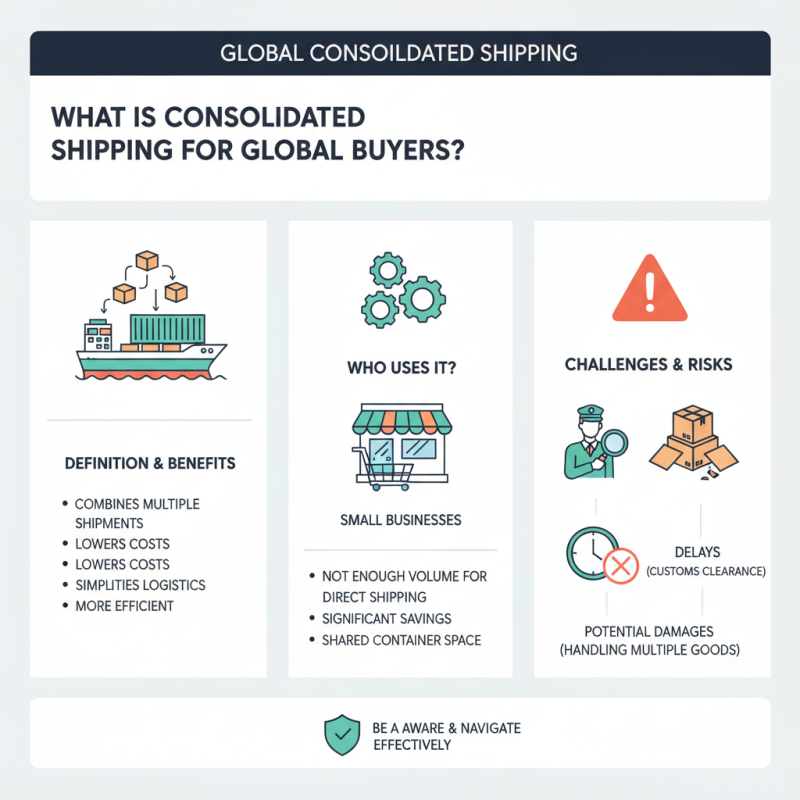
In today's global marketplace, understanding shipping methods is crucial for buyers. One such method is known as consolidated shipping service. So, what is consolidated shipping service? It refers to the process of combining multiple shipments into one. This approach lowers costs and simplifies logistics. For many global buyers, this service makes shipping more efficient.
Consolidated shipping is often used by small businesses. They may not have enough volume for direct shipping. Instead, they pool their shipments with others, leading to significant savings. The details matter here. By sharing space in a container, businesses transport goods at a lower price.
However, this method isn’t without its challenges. Delays can occur during customs clearance. Additionally, potential damages can arise from handling multiple goods together. Buyers must be aware of these risks while enjoying the benefits. Knowledge of what is consolidated shipping service allows businesses to navigate this complex process more effectively.
Consolidated shipping services have surged in popularity among global buyers. This service allows multiple shipments from different suppliers to be combined into one package. Such efficiency reduces costs and streamlines logistics. According to a recent industry report, over 30% of businesses utilize consolidated shipping due to its economic benefits.
Buyers can save significantly on shipping fees. By pooling resources, they can take advantage of bulk shipping rates. A study conducted by the Global Logistics Network found that companies using consolidated services reported up to a 25% reduction in shipping costs. However, this method requires careful planning and communication with suppliers to ensure timely dispatches.
Challenges do exist. Delays can happen if shipping documentation is not correctly handled. Buyers need to stay informed about the status of shipments. Additionally, customs regulations vary across regions and can complicate the process. It’s essential to build a reliable network of logistics providers to mitigate these risks. Ultimately, understanding the nuances of consolidated shipping is vital for global buyers aiming to optimize their supply chain.
This chart illustrates the preferences of global buyers when it comes to different types of shipping services. Consolidated shipping stands out as the most preferred option, favored by 55% of buyers, while direct shipping is chosen by 25%. Express shipping and freight forwarding have equal preferences at 10% each.
Consolidated shipping is an effective solution for global buyers looking to streamline their logistics. By combining multiple orders into a single shipment, buyers can reduce shipping costs and minimize delivery times. This method is particularly beneficial when sourcing products from different suppliers across various regions.
One of the major benefits is cost efficiency. Consolidated shipping allows for bulk transportation rates, which can lead to significant savings. Additionally, it simplifies customs clearance, as fewer shipments mean fewer customs documents to manage. However, it’s essential to track your orders carefully. Miscommunication with suppliers can lead to delays or lost items. Always confirm shipment details prior to consolidation.
Consider these tips. First, choose reliable logistics partners. Research their reputation and service history. Second, stay organized by maintaining clear records of your orders. Use spreadsheets or inventory management software to avoid confusion. Lastly, be prepared for unexpected delays, especially during peak shipping seasons. Flexibility can help mitigate frustration. A successful consolidated shipping strategy can enhance your global buying experience, but it requires careful planning and execution.
Consolidated shipping is an efficient method for global buyers. It allows multiple shipments to be combined into one container. This reduces overall shipping costs and optimizes logistics. According to recent industry reports, consolidated shipping can save buyers up to 30% on freight costs, making it a popular choice.
Here's how consolidated shipping works. Once goods are collected, they are grouped based on destination. A freight forwarder coordinates this collection process and manages the paperwork. After consolidation, the shipments move to a central hub. Here, containers are loaded with multiple shipments. This process not only minimizes cargo space but also ensures fewer trips, reducing the carbon footprint.
While it’s effective, challenges exist. Delays may occur if one shipment is held up. Moreover, communication between buyers and freight forwarders is critical. Lack of clarity can lead to increased costs or errors. As businesses increasingly rely on this method, understanding the nuances of consolidated shipping is essential for long-term success.
| Step | Description | Delivery Time | Cost | Notes |
|---|---|---|---|---|
| 1 | Order products from multiple sellers | Varies | N/A | Ensure all orders are confirmed |
| 2 | Products are collected at a consolidation center | 2-5 days | Sample Cost: $50 | Check for damage on arrival |
| 3 | Customs documentation is prepared | 1-2 days | N/A | Coordination with customs required |
| 4 | Shipping is arranged for delivery to the buyer | 7-14 days | Varies by destination | Track shipment online |
| 5 | Delivery confirmation | Immediate | N/A | Provide feedback on service |
Consolidated shipping services have become essential for global buyers. These services allow companies to share cargo space, reducing costs and improving efficiency. A report by Transport Intelligence noted that global freight forwarding is expected to grow by 4.2% annually through 2025. This highlights the increasing demand for consolidated shipping solutions.
Key providers of these services include freight forwarders and logistics platforms that specialize in pooling shipments. Such platforms streamline the supply chain, enabling buyers to track shipments in real time. Data from Statista shows that e-commerce logistics is projected to reach $475 billion by 2026, emphasizing the importance of reliable shipping options.
Despite the advantages, challenges exist. Delays can occur due to customs clearance or mishandling. Issues with communication between buyers and providers can complicate matters. It’s crucial for buyers to choose platforms with strong reputations. Reports indicate that 62% of shippers have faced difficulties with delivery times, underscoring the need for transparency in operations.
Consolidated shipping offers many advantages for global buyers, yet it comes with specific challenges. One primary concern is the potential for increased delays. According to industry data, shipment delays can occur in about 30% of consolidated shipping cases due to customs clearance. Buyers must therefore plan their timelines accordingly.
Additionally, quality control is crucial. When multiple suppliers are involved, the risk of receiving damaged or substandard goods increases. A report indicates that approximately 20% of consolidated shipments face some level of damage or quality issues. Effective communication with suppliers is essential to mitigate these risks.
Tips: Always inspect your consolidated shipments upon arrival. Report any issues immediately to your suppliers. Establish clear expectations about quality before placing orders. Also, consider using reputable freight forwarders to help navigate challenges in the shipping process. The right partner can streamline logistics and enhance reliability, making consolidated shipping a more viable option.
: Consolidated shipping combines multiple shipments from different suppliers into one package. This saves costs.
By pooling resources, buyers benefit from bulk shipping rates. This often leads to significant savings on shipping fees.
Over 30% of businesses use consolidated shipping for its economic benefits, as noted in industry reports.
Delays can occur from improper documentation. Customs regulations also complicate the process for some regions.
Clear communication ensures timely dispatches. Poor communication can lead to misunderstandings and shipping delays.
Building a reliable network of logistics providers helps manage potential delays and customs issues effectively.
Buyers should choose platforms with strong reputations. Reliable platforms help ensure smoother shipping experiences.
Yes, reports show that 62% of shippers face delivery time difficulties. Transparency is key to addressing these issues.
The demand for consolidated shipping is increasing. Global freight forwarding is expected to grow by 4.2% annually through 2025.
Logistics platforms allow buyers to track shipments in real-time, enhancing visibility and control over the process.
Consolidated shipping service is a logistics solution that allows global buyers to combine multiple shipments into one single package, thereby reducing shipping costs and improving efficiency. This service is especially beneficial for buyers who require products from different suppliers across the world, as it minimizes the complexities of handling separate shipments. The process typically involves collecting items from various vendors, consolidating them at a central point, and then shipping them together to the final destination.
Understanding the workings of consolidated shipping is crucial for global buyers, as it provides insights into how to maximize savings while ensuring timely delivery. However, there are challenges to consider, such as the potential for delays and the complexities involved in customs clearance. By choosing the right providers and platforms that specialize in consolidated shipping services, buyers can navigate these challenges more effectively and take full advantage of the economic benefits this shipping method offers.

DSERG Logistics