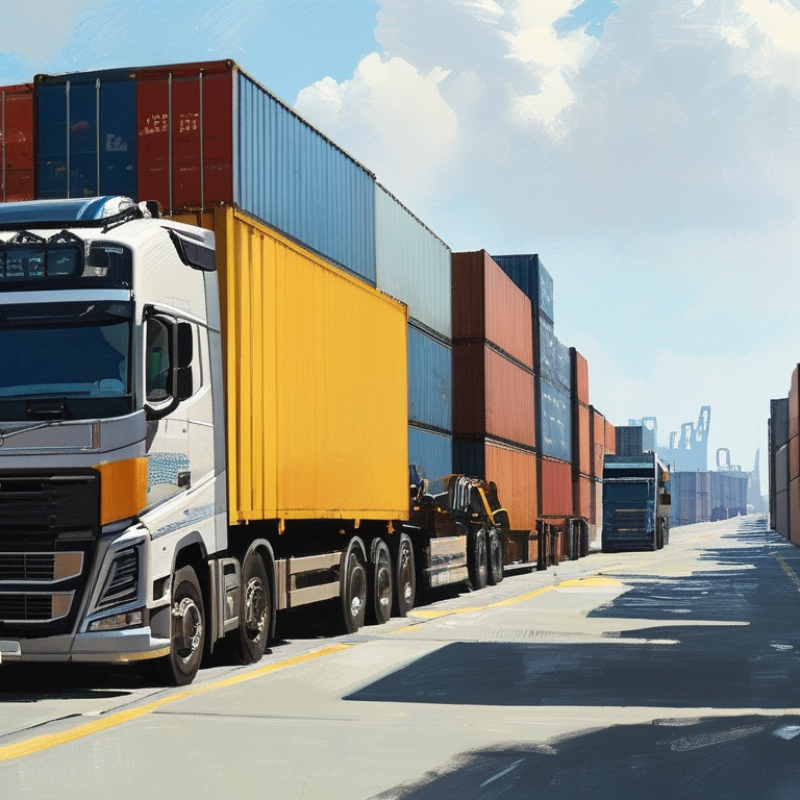
Customs clearance is a crucial step in international shipping. It involves the assessment and approval of goods by customs authorities before they can move across borders. According to a report from the World Customs Organization, proper customs procedures can reduce shipping delays by up to 30%. This emphasizes the importance of understanding how does customs clearance work in international shipping.
Every country has its own regulations. These can vary significantly, adding complexity to the process. In 2020, nearly 70% of global trade faced challenges due to customs issues. Businesses must navigate tariffs, required paperwork, and duties. Ensuring compliance can be daunting, yet crucial for smooth operations.
Understanding customs procedures can lead to cost savings. However, many companies overlook the importance of investing in knowledge and resources. Keeping updated on regulations can prevent costly mistakes. As international shipping continues to grow, mastering customs clearance remains vital for success.
Customs clearance is a crucial part of international shipping. It involves the process of obtaining permission to move goods across borders. Each country has its regulations, which can be complex. Understanding these can help minimize delays. Importers must provide necessary documentation to customs. This includes invoices, bills of lading, and certificates of origin. Missing even one document can hold up the entire shipment.
The role of customs brokers is significant. They act as intermediaries between businesses and customs authorities. Their expertise can streamline the process, helping to navigate the intricate regulations. However, relying solely on brokers can be risky. It's essential for importers to understand basic customs procedures themselves. This knowledge empowers them to avoid common pitfalls. Some may underestimate the cost implications. Duties and taxes can add up, impacting overall shipping budgets. Keeping detailed records can aid in future transactions.
In summary, customs clearance is not merely a formality. It is an essential aspect of international trade. Recognizing its complexities and seeking professional guidance when needed can save time. It can also prevent costly errors. Every shipment presents its own challenges, urging continuous learning and adaptation.
This bar chart illustrates the average time taken for various stages of the customs clearance process in international shipping. The data reflects typical durations experienced in days for each milestone from document preparation to final clearance.
Customs play a vital role in international trade and shipping. They ensure that goods comply with local laws and regulations. When shipments arrive at their destination, customs officials inspect and clear them. This process determines whether the items can enter the country. Customs checks are essential for maintaining security and safety. Ensuring your shipment meets these regulations can save time and costs.
Understanding customs regulations is crucial for smooth shipping. Each country has unique requirements for the documentation. Accurate invoices and packing lists prevent delays. If papers are incorrect, shipments can be held up at customs. This results in time lost and potential fees.
Tips: Keep all shipping documents organized and up to date. Double-check that all information is accurate. Work with experienced customs brokers to navigate complex regulations. They can provide guidance and minimize errors. Always stay informed about changes in customs policies.
Customs clearance is a crucial step in international shipping, requiring several key documents. Understanding these documents can streamline the process and avoid costly delays. Commonly required documents include the commercial invoice, packing list, bill of lading, and import permits. Each document serves a distinct purpose and must be accurate. For example, a commercial invoice details the transaction, indicating the value of goods for duty assessment.
According to the World Trade Organization, an estimated 90% of global trade relies on shipping. Delays in customs clearance can result in additional fees and lost revenue, impacting businesses significantly. Being prepared with the right documentation is essential. As reported by the International Chamber of Commerce, misclassified goods can lead to a 15% increase in customs duties. This highlights the importance of precision in documentation.
Tips: Always double-check your documents. Errors can cause delays. Keep copies organized and accessible. Familiarize yourself with the customs regulations of the destination country. Awareness can save time and money. Moreover, consider consulting with a customs broker. Their expertise may help you navigate complex regulations effectively.
Customs clearance is crucial in international shipping. It ensures that goods comply with the importing country’s regulations. The process begins when shipment documents are prepared. These include invoices, packing lists, and bills of lading. Accuracy in these documents is vital. Any discrepancies can lead to delays. According to a report from the World Bank, delays at customs can increase shipping costs by 10%.
Once the documentation is complete, the customs authority reviews it. They check the classification and valuation of goods. This step determines the amount of duties and taxes owed. In 2022, U.S. Customs and Border Protection reported that approximately 50% of shipments faced additional scrutiny due to random checks. Improper documentation can trigger these inspections, prolonging the process.
Tips: Always double-check your documents. Misclassification can result in hefty fines. Clear labeling can speed up customs clearance, reducing stress. Another tip is to work with a knowledgeable customs broker. They can navigate complexities effectively and save time and money. Delay during customs can impact your supply chain. Thus, being prepared is essential for smooth operations.
Customs clearance in international shipping poses significant challenges for businesses. A recent
industry report from the World Bank highlighted that customs delays can increase shipping costs by up to
15%. This statistic underscores the importance of efficient customs processes.
Common issues include incomplete documentation, unclear labeling, and non-compliance with regional regulations.
These mistakes can lead to significant shipment delays. In turn, these delays create financial burdens.
One effective solution is to improve documentation processes. Using digital platforms can
streamline the submission of customs documents. This approach reduces human error and speeds up processing times.
Moreover, training staff on compliance can minimize mislabeling and misclassification. According to a report from the
International Trade Centre, proper training can reduce customs delays by about
30%, making it a crucial investment for international businesses.
Another challenge involves differing regulations across countries. Each nation has unique customs requirements.
Failure to comply can result in confiscation or hefty fines. Employing customs brokers with expertise in local
regulations can help navigate these complexities. A survey indicated that businesses utilizing brokers
experienced 40% fewer customs-related delays. This highlights the value of
professional expertise in mitigating challenges in international shipping.
: Customs clearance is the process of obtaining permission to move goods across borders.
Understanding customs regulations helps minimize delays and prevents costly errors during shipping.
Key documents include the commercial invoice, packing list, bill of lading, and import permits.
Delays can lead to additional fees and lost revenue, severely affecting business operations.
Basic knowledge empowers importers to avoid common pitfalls and manage shipments effectively.
Customs brokers act as intermediaries, helping to navigate complex regulations and streamline processes.
Yes, over-reliance can be risky; importers should understand customs processes themselves.
Misclassification can lead to a significant increase in customs duties, impacting costs.
Keeping documents organized and copy accessible is crucial for smooth customs clearance.
Missing documentation can hold up the entire shipment, causing delays and extra costs.
Customs clearance is a crucial aspect of international shipping, determining how goods are transported across borders. Understanding how customs clearance works in international shipping involves recognizing the role customs plays in regulating trade, ensuring compliance with laws, and collecting duties. Key documents required for seamless customs clearance include commercial invoices, packing lists, and bills of lading.
The customs clearance process follows a systematic approach, beginning with submitting these documents to customs authorities, followed by inspection and approval of shipments. However, challenges such as documentation errors and delays can arise, necessitating solutions like proper training and utilizing customs brokers to navigate the complexities. Overall, effective management of customs clearance is essential for timely and lawful international shipping operations.
DSERG Logistics