Cross-border shipping costs are a crucial factor for global buyers. Various elements influence these expenses. A recent report by the International Logistics Association indicates that transportation costs account for about 30% of the total supply chain expenses. According to logistics expert Dr. Amelia Johnson, "Understanding what affects cross-border shipping costs is essential for maximizing efficiency."
Many variables come into play. These include shipping method, distance, customs duties, and tariffs. Fuel prices drastically impact transportation costs as well. For instance, a 10% increase in fuel costs can result in a 3% rise in total shipping expenses. Pressures from global trade policies and fluctuating exchange rates also add complications.
Assessing what affects cross-border shipping costs can be challenging. Emerging trends, such as sustainability initiatives, might change traditional cost structures. Buyers must stay informed to adapt. Ignoring these shifts could lead to increased logistical burdens and missed savings opportunities. Balancing cost management with service quality is essential yet often overlooked.
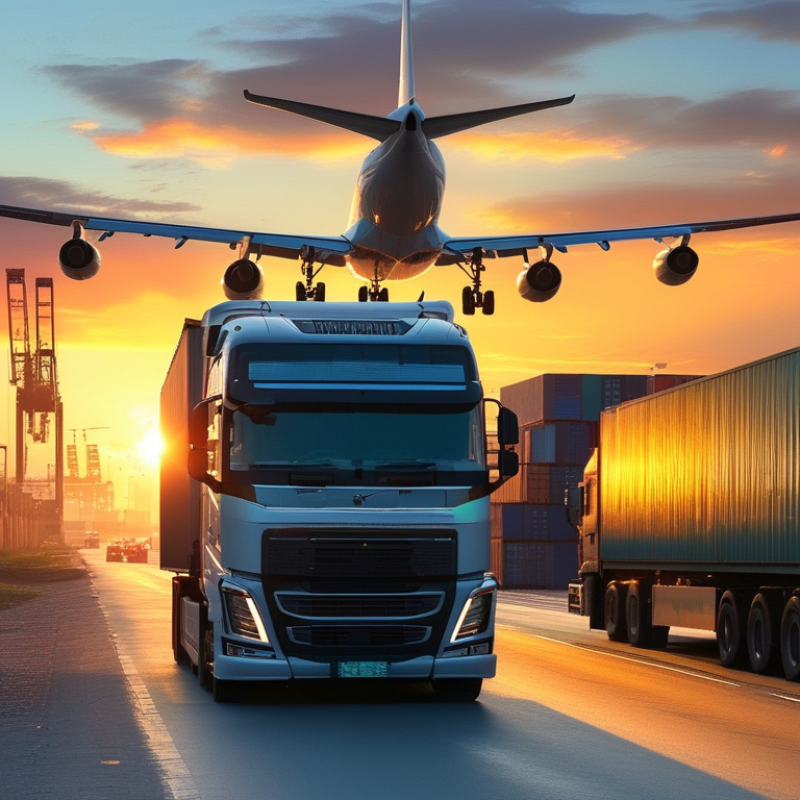
Cross-border shipping costs are influenced by several key factors in global trade. One major element is distance. The farther the shipment must travel, the higher the costs are likely to be. Additionally, logistical efficiency plays a critical role. If shipping routes are well-planned, costs can be reduced. However, inefficiencies in transport can lead to unexpected charges.
Customs duties and taxes are also significant. Each country has its own regulations, which can affect overall expenses. Understanding these regulations is crucial for budgeting shipping costs. Currency fluctuations can add another layer of complexity. Small shifts in currency value can lead to significant changes in expenses.
Moreover, packaging and weight greatly impact shipping fees. Heavy or bulky items incur higher transportation costs. Ensuring optimal packaging is essential for minimizing expenses. However, achieving the right balance between safety and cost-effectiveness can be challenging. Many companies struggle to find the most efficient solutions and often overspend on shipping. These nuances highlight the need for ongoing analysis and adjustment in shipping strategies.
| Factor | Description | Impact on Costs | Example |
|---|---|---|---|
| Distance | The geographical distance between the sender and receiver. | Higher transportation costs as distance increases. | Shipping from Europe to North America versus within Europe. |
| Transportation Mode | Method of transportation (air, sea, land). | Air freight is generally more expensive than sea freight. | Using air freight for urgent shipments versus standard sea freight. |
| Customs Duties | Taxes imposed by governments on imports and exports. | Can significantly increase total shipping costs. | Importing electronics can incur high tariffs. |
| Weight & Volume | Larger and heavier packages typically cost more to ship. | Costs increase based on dimensional weight. | Shipping a heavy machine part versus small accessories. |
| Insurance Costs | Cost to insure goods in transit. | Protecting high-value items increases shipping fees. | Shipping luxury goods requires insurance. |
| Service Level | Speed of delivery and level of service chosen. | Express services are pricier than standard shipping. | Overnight delivery compared to standard 3-5 day shipping. |
| Packaging | Type and quality of packaging materials used. | High-quality packaging may reduce damage but increase costs. | Using padded boxes versus standard boxes. |
: Distance, logistical efficiency, customs duties, taxes, currency fluctuations, packaging, and weight are key factors.
Longer distances generally lead to higher shipping costs and increased delivery times.
Well-planned shipping routes reduce costs, while inefficiencies can lead to unexpected charges and delays.
Customs duties and tariffs can significantly raise total shipping expenses, varying by product category and region.
Small shifts in currency value can result in substantial changes in overall shipping costs.
Optimal packaging minimizes weight and bulk, reducing costs while ensuring the safety of goods.
Delays can lead to storage fees and increased shipping rates, affecting budget predictions for businesses.
Yes, unexpected fees can arise from variable regulations, storage, and customs delays, complicating budgeting.
Many companies analyze shipping strategies repeatedly, but they can still struggle with overspending.
Yes, air freight is faster but generally incurs higher costs compared to the often more economical ocean freight.
The article "What Affects Cross Border Shipping Costs for Global Buyers?" delves into the various factors that influence shipping expenses in international trade. Key elements include the impact of shipping distance, which significantly affects freight charges, as longer distances typically incur higher costs. Additionally, the choice of shipping mode—whether air, sea, or land—and the selection of carriers play a critical role in cost variation, with each mode presenting distinct pricing structures and delivery times.
Moreover, customs duties and tariffs are essential considerations that can greatly affect total shipping expenses, as they contribute to the overall cost of importing goods across borders. Currency fluctuations also play a vital role in cross-border shipping costs, impacting the final amount that buyers need to pay. Overall, understanding what affects cross-border shipping costs is crucial for global buyers looking to optimize their logistics and reduce expenditures in international trade.

 DSERG Logistics