How Does Express Logistics From China Work?

Time:2026-10-12 Author:Oliver
0%

How does express logistics from China work? The answer begins with a small parcel, not a plane. A seller confirms the order, checks the product details, and hands the package to a courier or fulfillment warehouse. The warehouse weighs it, measures it, applies shipping labels, and selects an express route. Some shipments travel directly by air. Others move through consolidation centers before departure.

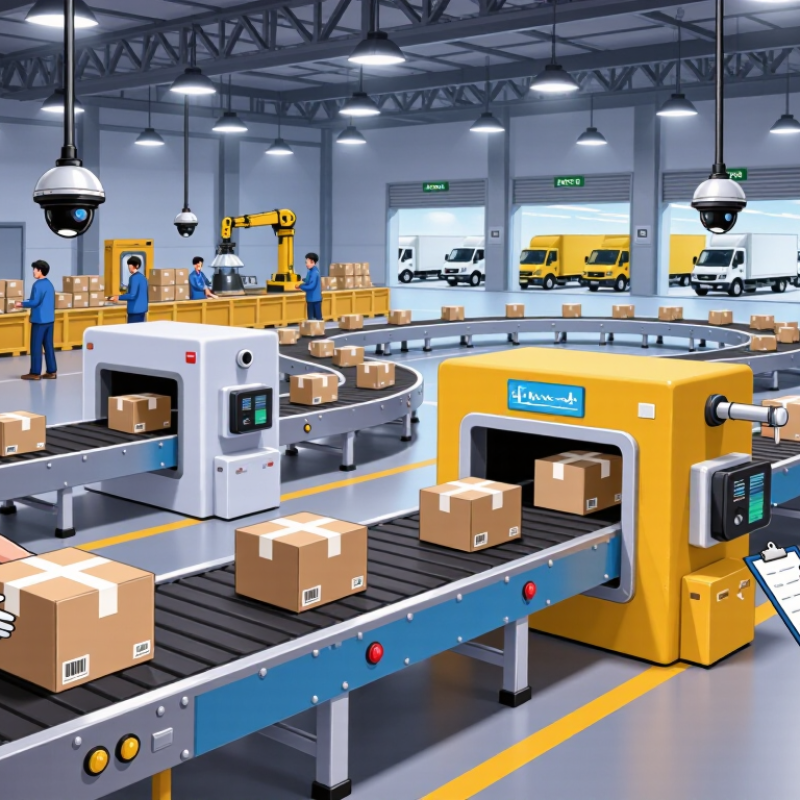
China’s State Post Bureau reported more than 175 billion express parcels in 2024. That scale explains the highly automated sorting systems found in major logistics hubs. Conveyors scan barcodes, cameras verify labels, and software assigns parcels to export lanes. The shipment then passes export documentation checks and customs procedures. After departure, tracking events may show airline acceptance, transit handling, destination arrival, import clearance, and local delivery. The exact sequence can vary.

The World Bank’s Logistics Performance Index 2023 ranked China 19th globally, reflecting strong infrastructure and logistics capability. However, performance is not perfectly predictable. Weather, capacity shortages, incomplete addresses, inspections, and peak-season congestion can change delivery times. The UNCTAD Review of Maritime Transport also highlights continuing pressure on global transport networks. Express logistics therefore requires more than a shipping label. It depends on accurate product information, suitable packaging, reliable tracking, and clear communication between carriers, customs brokers, and recipients. A parcel may leave a warehouse within hours, yet its final delivery can still take several days. That gap deserves attention.

How Does Express Logistics From China Work?

What Express Logistics From China Means

How Does Express Logistics From China Work?

What Express Logistics From China Means

Express logistics from China means moving smaller, time-sensitive shipments through a coordinated air and ground network. It is not simply “fast shipping.” The service connects pickup, export processing, international transport, customs review, and final delivery. The shipment may leave a warehouse in Shenzhen, pass through an airport hub, and reach a customer’s door within several business days.

The process usually begins when a seller confirms the parcel’s size, weight, destination, and delivery purpose. A courier collects the package, scans it, and sends it to an export sorting facility. Staff check the shipping label, commercial invoice, and packaging before transport begins. Small mistakes matter. An incomplete address can delay a parcel more than a long flight. Customs authorities may review the declaration and assess duties when applicable. Clear product descriptions help prevent unnecessary questions.

Reliable shipping depends on accurate data, suitable packaging, and realistic delivery promises. Lightweight goods often move quickly, while bulky parcels may require different handling. Tracking updates can also pause during customs processing, which sometimes worries new buyers. That pause does not always mean the parcel is lost. One assumption deserves correction: express service reduces transit time, but it cannot remove every border check or weather delay. Even experienced shippers should review local import rules before booking. A rushed shipment can still expose weak planning.

How Shipments Are Prepared and Collected

How Does Express Logistics From China Work?

How Shipments Are Prepared and Collected

Express logistics begins with careful shipment preparation. The sender checks the goods, quantity, weight, dimensions, and final destination. Only permitted items should enter the shipping process. Clear invoices and accurate descriptions help prevent customs questions later.

A strong package uses a suitable carton, inner protection, and firm sealing tape. Fragile products need space fillers, not loose movement. Labels matter. The address, contact number, and package count should be checked twice. Small errors spread.

In my experience, collection is smoother when the parcel is ready before the driver arrives. The sender should keep the shipment near the entrance and provide collection instructions. The driver normally checks the package count, visible damage, and shipping label. A scan or collection record confirms the handover. It is worth keeping this record.

Measurements can change after packing. This detail is often missed. If the declared size differs from the measured size, transport charges may be adjusted. A package can also be refused when its carton is wet, open, or unsafe to lift. I have seen rushed packing create avoidable delays. The process is reliable, but it is not automatic. Careful preparation still depends on honest information and practical checking.

How Customs Clearance Works in China and Abroad

How Does Express Logistics From China Work?

Express logistics from China begins with accurate customs information. The shipper prepares a commercial invoice, packing list, transport details, and product descriptions. Customs officers use the HS code to assess duties, taxes, and possible inspections. A vague description, such as “parts,” can delay a shipment. Clear wording works better.

The Chinese export declaration must match the physical cargo. Weight, quantity, value, and country of origin should remain consistent. In practice, small data differences can create large delays. This is easy to underestimate. Customs may request certificates, permits, or proof of value for regulated but lawful products. A qualified customs professional can review documents before pickup, although their advice should not replace official guidance.

Tips:

  • Check the HS code with the destination customs authority.
  • Confirm who pays import duties and taxes.
  • Keep invoices, payment records, and origin documents together.
  • Allow extra time for inspection.

After departure, clearance begins again in the destination country. The importer usually needs a valid tax or registration number. Customs may examine the parcel, calculate local charges, and release it after payment. Different countries interpret product categories differently. Therefore, a code accepted in China may need confirmation abroad. Delivery estimates can be wrong when customs requests clarification. Keep communication active, and correct errors promptly rather than guessing.

How International Transportation Moves the Shipment

How Does Express Logistics From China Work?

International transportation begins when a shipment leaves the seller’s warehouse. Workers verify the commercial invoice, packing list, dimensions, and destination details. The cargo then moves by air, sea, rail, or a combined route. Express shipments often use air transport for speed. Larger consignments may use sea freight before final delivery by truck.

UNCTAD reports that maritime shipping carries over 80% of global merchandise trade by volume. This explains why international logistics still depends heavily on ports, even when delivery feels “express.”

Each handoff changes the shipment’s schedule. Export customs checks the cargo before departure. The destination country reviews documents and assesses duties where required. After clearance, local transport completes the delivery.

The World Bank’s 2023 Logistics Performance Index evaluates customs, infrastructure, tracking, and timeliness. These factors matter more than distance alone. A flight may take hours, but a missing document can delay delivery for days. A low shipping quote can also hide handling, storage, or remote-area charges. That part is easy to overlook.

Tips: Confirm the recipient’s full address and phone number. Use accurate product descriptions and measured package weights. Ask for milestone tracking, not only a final status. Build a small time buffer. Even careful forecasts fail during port congestion, severe weather, or inspection. A practical shipping plan should allow correction, because real transport is rarely perfectly smooth.

How Final Delivery Reaches the Recipient

Final delivery is where express logistics from China becomes visible to the recipient. After export clearance, the shipment moves through an international transport network and reaches a destination hub. Local customs checks the declaration, value, and supporting documents. Then, a domestic carrier receives the parcel for delivery.

The handoff matters most. A warehouse worker scans the parcel, sorts it by postal code, and loads it onto a route vehicle. The recipient may receive a text message with an estimated delivery window. According to the Universal Postal Union’s 2023 Postal Development Report, global letter-post volume fell by about 7% in 2022. This reflects a wider shift toward parcels and online commerce. More parcels mean greater pressure on sorting centers and local drivers.

Tracking is useful, but it is not perfect. A parcel can be moving and still appear inactive. The World Bank’s 2023 Logistics Performance Index evaluates customs, infrastructure, tracking, and timeliness on a 1-to-5 scale. These factors directly affect the final mile. A missing apartment number, locked entrance, or inaccurate phone number can cause failure. Small details matter. In my experience, address quality often matters more than a fast aircraft. Delivery teams may attempt another visit, redirect the parcel to a collection point, or request a signature. The process is efficient, but not flawless.

How Does Express Logistics From China Work? - How Final Delivery Reaches the Recipient
Stage Logistics Step Typical Time Range Main Activities Required Information or Documents Common Tracking Status What Happens Next
1 Order and Shipment Preparation Same day to 2 days The seller confirms the order, checks the product, packs the goods, and prepares the shipping label. Recipient name, delivery address, postal code, telephone number, product description, quantity, and declared value. Shipment information received The parcel is collected or delivered to an export processing facility.
2 Pickup and Export Facility Processing 1 to 2 days The parcel is weighed, measured, scanned, sorted, and checked against the shipping documents. Shipping label, commercial invoice when required, and any product-specific certificates. Picked up The shipment is grouped with other outbound parcels and moved toward export customs.
3 Export Customs Clearance Several hours to 2 days Authorities review the declaration, commodity description, value, and applicable export controls. Accurate commodity description, declared value, invoice, and restricted-goods information where applicable. Export customs cleared The parcel is authorized for international transportation and assigned to an outbound dispatch.
4 International Line-Haul Transportation 1 to 7 days by air; longer by sea or economy service The shipment travels from the origin country to the destination country by air, sea, rail, or a combined route. Transport manifest, shipment data, and security information required by the transport mode. In transit The parcel arrives at a gateway or international sorting facility in the destination region.
5 Arrival and Import Customs Clearance Several hours to 3 days Destination authorities assess the shipment for import compliance, taxes, duties, and restricted items. Commercial invoice, customs declaration, recipient details, and permits or licenses when required. Arrived at destination country Any applicable duties or taxes are assessed. The parcel is released after customs requirements are completed.
6 Destination Sorting and Handover 1 to 2 days The shipment is sorted by postal code or delivery route and transferred to a domestic delivery network. Valid delivery address, local contact details, and payment confirmation for any outstanding import charges. Released from customs The parcel moves to a regional distribution center or local delivery depot.
7 Last-Mile Delivery 1 to 3 days A local delivery driver receives the route assignment and attempts delivery to the recipient's address or collection point. Complete address, access instructions, recipient availability, and any required delivery authorization. Out for delivery The recipient receives the parcel, collects it from an authorized point, or receives a delivery-attempt notice.
8 Delivery Confirmation Same day as final delivery Delivery is recorded through a signature, electronic confirmation, photo, secure location record, or other permitted proof. Recipient confirmation or delivery evidence, depending on the selected service and destination rules. Delivered The shipment is closed. If delivery fails, a redelivery, collection, return, or address-correction process may begin.

Typical time ranges are general estimates for standard international express shipments. Actual transit time may vary because of customs inspections, weather, public holidays, incomplete address information, product restrictions, and destination-country delivery conditions.

FAQS

What does express logistics from China mean?

It moves small, time-sensitive shipments through air and ground networks. A parcel may travel from a warehouse to an airport hub within several business days.

How does the shipping process begin?

The seller confirms the parcel’s size, weight, destination, and delivery purpose. A courier collects and scans the package. Then, it enters an export sorting facility.

Which documents usually support an express shipment?

Common documents include a shipping label and commercial invoice. A clear product description helps reduce customs questions. Small errors can cause delays.

Can express shipping avoid all delays?

No. Express service reduces transit time, but border checks and weather can still interfere. Fast transport is not magic.

Why might tracking updates stop temporarily?

Tracking may pause during customs processing or transfer between facilities. The parcel may still be moving. I sometimes worry too quickly when updates remain unchanged.

What happens after the parcel reaches the destination country?

Local customs reviews the declaration, value, and supporting documents. After clearance, a domestic carrier receives the parcel and prepares the final delivery route.

Which address details are especially important?

Include the apartment number, accurate phone number, postal code, and reachable entrance. A locked entrance can stop delivery. Address quality may matter more than aircraft speed.

What can happen if delivery fails?

The carrier may try again, redirect the parcel to a collection point, or request a signature. The process is efficient, but not flawless.

Do all parcels receive the same handling?

No. Lightweight goods often move quickly, while bulky parcels may need different handling. Packaging should match the parcel’s size and weight. Weak planning remains a risk.

Conclusion

Understanding how does express logistics from China work begins with a coordinated process that moves goods quickly from the sender to the recipient. First, the shipment is securely packed, labeled, weighed, and documented according to transportation and customs requirements. A logistics provider then collects the package from the sender or a designated location and checks its information before dispatch.

Next, the shipment passes through export customs in China, where authorities review the declaration and supporting documents. After approval, it travels internationally by air or other suitable transport, with tracking updates recorded during key stages. When it arrives in the destination country, it undergoes import customs clearance, including document review and any required duties or taxes. Once released, the shipment is transferred to a local delivery network. The final courier sorts it by destination, transports it to the recipient’s address, and confirms delivery, completing the express logistics process.

Oliver

Oliver

Oliver is a seasoned marketing professional with a wealth of expertise in driving brand awareness and engagement. With a deep understanding of our company's product offerings, he consistently delivers high-quality content that enriches our professional blog. His insights not only shed light on......