International shipping plays a vital role in global trade, yet delays remain a prevalent issue. According to a recent report by the World Trade Organization, shipping delays have increased by over 30% in the past two years. This trend raises an essential question: why is international shipping delayed? Industry expert Dr. Lisa Thompson notes, "Supply chain disruptions can have cascading effects that impact shipping timelines." Her insight highlights the complexity facing shipping companies today.
Recent data shows that port congestion, labor shortages, and customs delays are significant contributors to the issue. For instance, the National Retail Federation reported that as of mid-2023, nearly 25% of shipments arrive late due to port congestion. These statistics underscore the need for a thorough understanding of this problem and suggest that effective solutions are necessary.
Delays not only frustrate businesses and consumers but also lead to increased costs. Some companies face financial strain, struggling to meet market demands. Reflecting on these challenges is crucial for finding solutions and improving reliability in international shipping. Addressing “why is international shipping delayed” is not just an academic pursuit; it is essential for the future of global commerce.
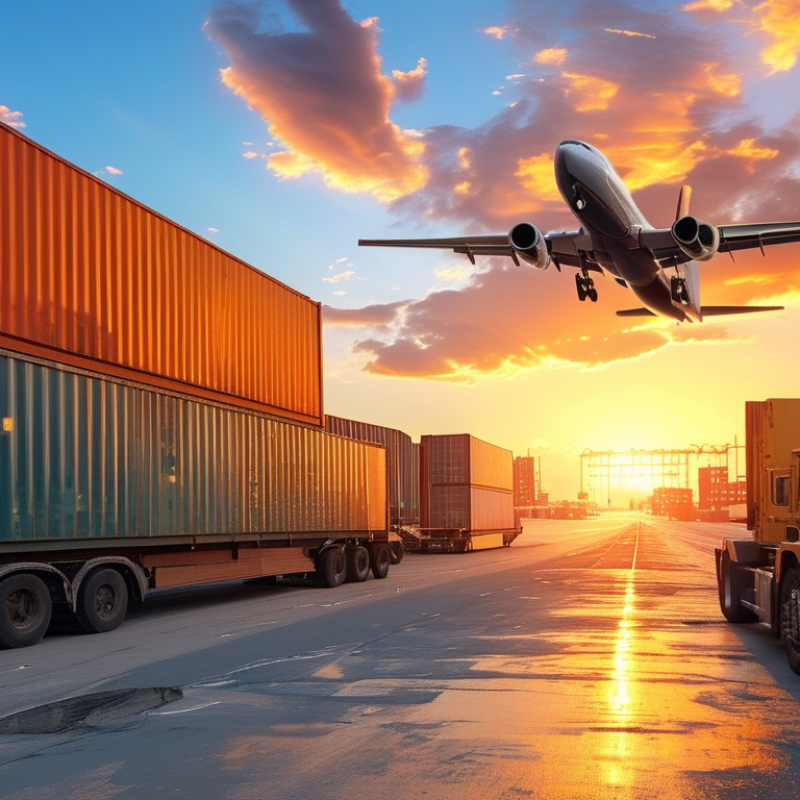
International shipping delays have become a common frustration for many businesses and consumers. Various factors contribute to these issues. Weather conditions can wreak havoc on shipping schedules, causing vessels to wait in ports. Furthermore, port congestion is a significant problem. When too many ships arrive at once, it leads to extended unloading times.
Labor shortages are another critical factor. Many shipping companies struggle to find enough workers, especially in warehousing and handling roles. This shortage slows down the entire supply chain. Customs regulations can further complicate matters. Misunderstandings or incomplete paperwork cause holds at borders, adding to delays.
It's essential for companies to stay informed about these challenges. Building stronger relationships with logistics providers can improve communication during crises. Regularly updating customers about potential delays sets realistic expectations. Moreover, diversifying suppliers and shipping routes can help mitigate risk. Being proactive rather than reactive is vital in navigating these international shipping challenges.
Global events significantly impact shipping timelines. The COVID-19 pandemic illustrated this well. Ports faced closures, and labor shortages emerged. These disruptions caused delays across international shipping lanes. Ships had to wait longer to dock and unload cargo. This backlog trickled down to consumers, who waited for their items.
Natural disasters also play a critical role. Hurricanes and earthquakes can halt operations at major ports. Damage to infrastructure causes significant delays. Even political unrest affects shipping. Tensions in trade routes can lead to increased inspections, further slowing shipments. For instance, a sudden blockade can leave vessels stranded for days.
Unfortunately, addressing these delays isn’t straightforward. Supply chain resilience requires flexibility. Companies must adapt quickly to unusual disruptions. Implementing technology to track shipments more effectively is one solution. Firms should consider diversifying suppliers to minimize risk. Reflecting on past events can inform better strategies for future resilience. Balancing cost and efficiency remains challenging, but it is essential for smoother shipping operations.
International shipping faces significant logistical challenges. Delays often stem from port congestion, labor shortages, and customs complexities. Many shipping routes are overused. This overload can lead to longer wait times and increased shipping costs. As countries reopen and demand surges, these issues arise consistently.
One major factor is the reliance on outdated infrastructure. Ports often lack the capacity to handle modern shipping volumes. Insufficient cargo handling equipment adds to the delays. In some regions, weather can disrupt schedules, leaving vessels stranded. All these factors contribute to unpredictable delivery times.
To navigate these challenges, proper planning is essential. Consider alternative routes to avoid congested ports. Engaging with reliable logistics providers can help streamline the process. Additionally, staying informed about local customs regulations can prevent unexpected hold-ups. Flexibility in shipping schedules will also aid in managing expectations. Emphasizing these strategies can improve overall shipping efficiency.
Shipping delays have become a common challenge in international trade. Several factors contribute to this issue. These include port congestion, customs delays, and supply chain disruptions. It’s essential to understand these vulnerabilities to create effective strategies.
One effective strategy is to invest in technology. Utilizing tracking software can help businesses monitor shipments in real-time. This provides transparency, allowing companies to communicate better with customers. Another approach is to build strong relationships with freight forwarders. A reliable partner can navigate complex customs regulations and streamline processes.
Flexibility is crucial. Businesses should consider diversifying their shipping routes. This can reduce dependency on specific ports known for congestion. Additionally, reviewing inventory levels can help companies prepare for potential delays. By anticipating issues, businesses can make informed decisions and maintain customer satisfaction.
| Delay Factor | Explanation | Mitigation Strategy |
|---|---|---|
| Customs Clearance | Delays due to documentation issues or inspections. | Ensure all documentation is correct and complete. Engage customs brokers. |
| Port Congestion | Limited capacity due to high volume of shipments. | Plan shipping schedules during off-peak times. |
| Transportation Disruptions | Issues with truck or rail availability. | Develop relationships with multiple carriers for flexibility. |
| Weather Conditions | Bad weather can cause delays in transit times. | Monitor weather reports and adjust shipping schedules accordingly. |
| Pandemic-related Issues | Health and safety regulations affecting shipping routes. | Stay informed on health regulations and have contingency plans. |
Future trends in international shipping efficiency are evolving rapidly. According to a recent report from the International Maritime Organization, shipping efficiency can improve by 30% through digitalization and better logistics coordination. Enhanced data analytics helps companies optimize routes. This reduces fuel consumption and cuts delivery times.
Moreover, the implementation of blockchain technology enhances transparency in the supply chain. A study by Gartner reveals that 75% of companies using blockchain for shipping reported improved efficiency. Yet, challenges remain. Not all firms adopt these technologies equally. Some still rely on outdated methods, which hinders overall progress.
Finally, sustainable practices are becoming a priority. As pressures mount to reduce carbon footprints, many are exploring alternative fuels. A 2022 report highlighted that vessels using cleaner energy sources saw a 20% reduction in emissions. However, the transition requires significant investment and commitment from industry players.
: Global events can cause significant shipping delays. For instance, the COVID-19 pandemic led to port closures and labor shortages.
Natural disasters like hurricanes can halt port operations. Damage to infrastructure further exacerbates shipment delays.
Shipping routes may be overused, leading to congestion. This increases wait times and shipping costs significantly.
Outdated ports may lack the capacity for modern shipping. Insufficient handling equipment contributes to delays.
Investing in technology is essential. Tracking software aids in real-time monitoring, improving transparency with customers.
Strong relationships with logistics providers are vital. They help navigate customs and streamline shipping processes effectively.
Flexibility is crucial in shipping. Diversifying routes and adjusting schedules can help manage unexpected delays better.
Companies should review inventory levels and adjust forecasts. Anticipating issues helps maintain customer satisfaction effectively.
Engaging reliable logistics partners is key. Staying informed about customs regulations prevents unexpected hold-ups.
Reflecting on past disruptions can inform future strategies. It helps companies adapt and improve overall shipping operations.
International shipping delays have become increasingly common, raising the question of "why is international shipping delayed?" Various factors contribute to this issue, including global events such as pandemics, geopolitical tensions, and trade disputes, which have disrupted established shipping timelines. Logistical challenges, including port congestion, inadequate infrastructure, and labor shortages, further exacerbate the situation, impacting transit times and overall efficiency.
To address these delays, it is crucial for stakeholders to implement effective strategies that enhance shipping practices. This includes optimizing supply chain management, investing in technology for real-time tracking, and diversifying shipping routes to mitigate risks. As the industry evolves, future trends focusing on improved shipping efficiency, sustainability, and adaptability will play a vital role in preventing further delays and ensuring smoother international transport.

DSERG Logistics