In 2026, global trade faces significant challenges. Many businesses are left wondering: why is international shipping delayed? Various factors are at play. Increased demand for goods clashes with limited shipping capacity. Ports are overwhelmed, causing longer wait times for cargo.
Additionally, labor shortages and inflation raise shipping costs. Shipping lines struggle to find workers, and strikes can exacerbate delays. Weather disruptions also play a crucial role, impacting logistics and transportation.
Understanding these issues is vital for navigating the current landscape. Companies must adapt to changing conditions. The complexities highlight the need for better planning and communication. Reflecting on these delays can lead to improved strategies in the future.
Factors Contributing to International Shipping Delays in 2026
International shipping delays have become a pressing issue in 2026. Several factors contribute to this predicament. Firstly, the ongoing global supply chain disruptions continue to affect shipping timelines. Increased demand for goods and a shortage of shipping containers compound the problem. Additionally, weather-related events, such as storms and flooding, can halt shipping temporarily. Countries are also facing customs delays due to renewed inspection protocols.
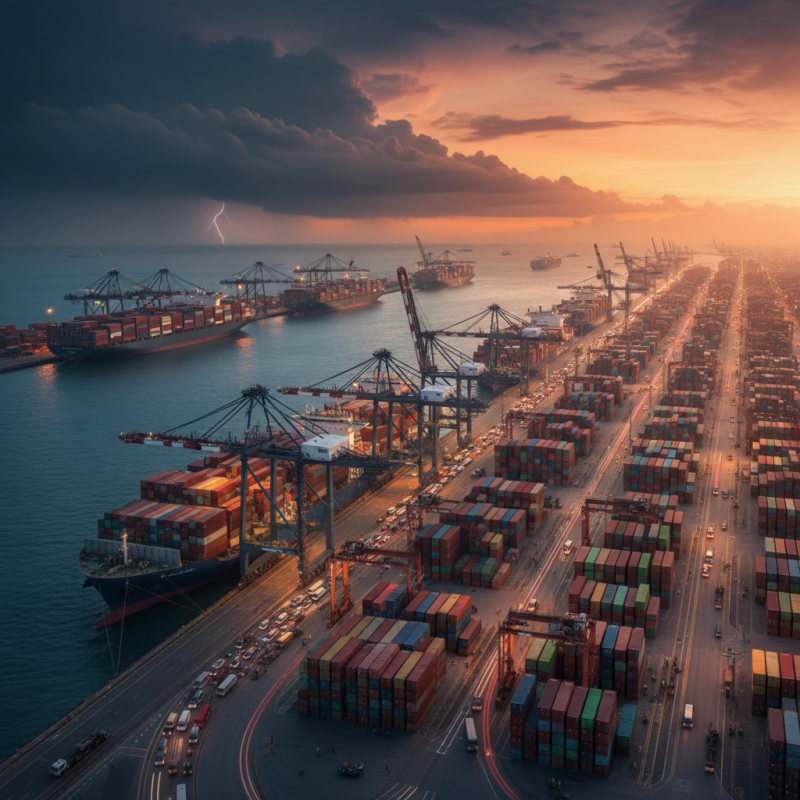
Infrastructure issues play a significant role. Ports are often congested, struggling to manage higher freight volumes. Many ports lack adequate facilities or staff, resulting in longer wait times for vessels. This situation becomes even more critical during peak seasons, where delays can escalate significantly.
**Tips:** Stay updated on shipping trends. Understanding peak periods can help in planning your orders. Consider diversifying suppliers or shipping routes to mitigate risks. Flexibility may reduce the impact of delays. Prepare for potential wait times, and communicate with customers about their expectations.
Impact of Global Trade Policies on Shipping Efficiency
In 2026, international shipping faced significant delays, mainly due to shifting global trade policies. New tariffs and trade agreements have emerged, impacting shipping routes and processes. For instance, the Global Trade Review estimates that tariffs have increased shipping costs by 15%. These changes create uncertainty for shipping companies, affecting their ability to plan efficiently.
Furthermore, port regulations have tighten, which complicates logistics. Many ports now prioritize eco-friendly shipping practices. According to the International Maritime Organization, compliance with these regulations can add up to 10% to transit times. This new focus on sustainability, while commendable, has strained existing infrastructures. Ships often wait longer at ports, leading to cascading delays throughout the supply chain.
Shipping capacity is another area of concern. The World Trade Organization reported that, as of early 2026, global shipping capacity fell by 8% due to lack of investment. This decline has intensified competition for available space. Companies must now adapt quickly to navigate this complex environment. Adjustments could involve reevaluating shipping routes or exploring alternative means of transport.
Why Is International Shipping Delayed in 2026? - Impact of Global Trade Policies on Shipping Efficiency
| Region |
Average Delay (Days) |
Main Causes |
Trade Policy Changes |
Impact on Shipping Costs (%) |
| Asia |
14 |
Port congestion, Labor strikes |
Increased tariffs on imports |
20 |
| Europe |
10 |
Regulatory changes, Infrastructure issues |
New compliance requirements |
15 |
| North America |
12 |
Customs delays, Supply chain disruptions |
Changes in NAFTA policies |
10 |
| South America |
18 |
Political instability, Transport challenges |
Import/export restrictions |
25 |
| Africa |
20 |
Logistical hurdles, Infrastructure deficits |
Trade agreements and tariffs |
30 |
Technological Challenges Affecting Shipping Operations
International shipping in 2026 faces significant delays due to various technological challenges. These obstacles range from outdated infrastructure to the complexity of managing new shipping technologies. As the demand for faster delivery grows, many shipping companies struggle to adapt.
One issue is the integration of automation in shipping processes. Robots and AI systems can streamline operations but require substantial training and time to implement effectively. Misalignment in technology integration leads to operational hiccups, creating delays.
**Tips:** Regularly update technology systems to ensure efficiency. Invest in staff training to keep pace with technological changes.
Another challenge is cybersecurity. As shipping operations become more digital, the risk of cyberattacks increases. Vulnerabilities in software can cause disruptions in logistics and tracking, leading to further delays.
**Tips:** Implement strong cybersecurity measures. Conduct regular drills to prepare for potential cyber threats.
Adapting to these technological changes is no simple task. Companies must continuously evaluate their systems and practices in this evolving landscape. Embracing flexibility will be crucial as the industry navigates these challenges.
Impact of Technological Challenges on International Shipping Delays in 2026
Environmental Regulations and Their Role in Shipping Delays
In 2026, many companies face severe delays in international shipping. One major factor is the tightening of environmental regulations. Governments worldwide are implementing stricter rules to reduce carbon emissions from ships. This shift aims to combat climate change but creates challenges for shipping logistics.
Compliance with these new rules can be complicated. Ships require upgrades or retrofits to meet standards. These modifications take time and resources, delaying schedules. Some vessels are stuck in port as crews await retrofitting. As a result, supply chains experience significant disruptions.
Tip: Ensure all shipping partners stay informed about these regulations. This practice helps prevent unexpected complications.
Furthermore, delays can be exacerbated by a lack of available alternative vessels. Not all shipping companies have the resources to upgrade their fleets promptly. This limitation leads to bottlenecks in delivery times. Businesses must strategize shipments more effectively to mitigate these risks.
Tip: Diversify suppliers and shipping routes. This can buffer against potential delays.
The future of international shipping relies heavily on balancing environmental goals with practical logistics. Continued commitment to sustainability may slow down shipping processes briefly but holds the promise of a healthier planet.
Logistical Disruptions Due to Geopolitical Tensions in 2026
In 2026, international shipping faces
significant delays. The root cause lies in escalating
geopolitical tensions around the globe. Countries are increasingly imposing
trade restrictions and tariffs, leading to complicated supply chains.
These disruptions affect shipping schedules. Ports face congestion as vessels wait longer to unload.
Logistical challenges are further exacerbated by labor shortages.
Strikes and worker unrest have become common in major shipping hubs. With fewer workers, port operations
slow down. This results in longer waiting times for goods. Shipping companies are struggling to find
ways to adapt to these conditions.
The unstable political climate forces companies to rethink their strategies. Many are exploring alternative
routes or transportation methods. However, these changes take time to implement. The uncertainty creates anxiety
among businesses and consumers alike. They worry about rising prices
and lost shipments. This situation invites reflection on the need for resilient logistics planning.
It is clear that the global supply chain requires a proactive approach
to navigate these turbulent waters.
FAQS
: Global supply chain disruptions, increased demand, and container shortages contribute to delays.
Storms and flooding can temporarily halt shipping activities, exacerbating delays.
Congested ports and inadequate facilities lead to longer wait times for vessels.
Renewed inspection protocols lead to increased customs delays in many countries.
Diversifying suppliers and flexible planning can help mitigate risks during peak periods.
Outdated infrastructure and the complexity of new technologies can lead to operational inefficiencies.
While automation can streamline processes, it requires training and may create initial delays.
Increased digitization raises the risk of cyberattacks that can disrupt logistics and tracking.
Regular updates and staff training are essential to keeping up with technological changes.
Flexibility and continuous evaluation of systems are crucial as challenges evolve.
Conclusion
In 2026, the question "why is international shipping delayed" can be attributed to several critical factors. First, global trade policies are continuously evolving, leading to inefficiencies that disrupt traditional shipping routes and schedules. Additionally, technological challenges, such as outdated systems and cybersecurity threats, hinder seamless operations, causing further delays in shipping processes.
Moreover, environmental regulations are increasingly stringent, as the shipping industry strives to meet sustainability goals. These new requirements can slow down operations as companies adapt to comply. Lastly, geopolitical tensions create logistical disruptions, impacting trade routes and leading to unpredictability in shipping times. Together, these elements paint a complex picture of the challenges facing international shipping in 2026.

 DSERG Logistics