Shipping from China to Europe is a vital topic in global trade. Many businesses rely on timely deliveries for their operations. According to logistics expert Jack Liu, “The speed of shipping can greatly impact your bottom line.” His words reflect the urgency many feel regarding logistics.
Understanding how long does China to Europe shipping take is crucial for effective supply chain management. Various factors influence shipping times. Distance, mode of transport, and customs clearance all play significant roles. Different shipping options offer varying timeframes—from weeks to months.
With these complexities, it can be challenging for businesses to plan effectively. Delays can arise due to unforeseen customs issues or shipping route changes. Despite advancements, the process can still feel unpredictable. Thus, evaluating both reliability and timing is essential for successful international business.
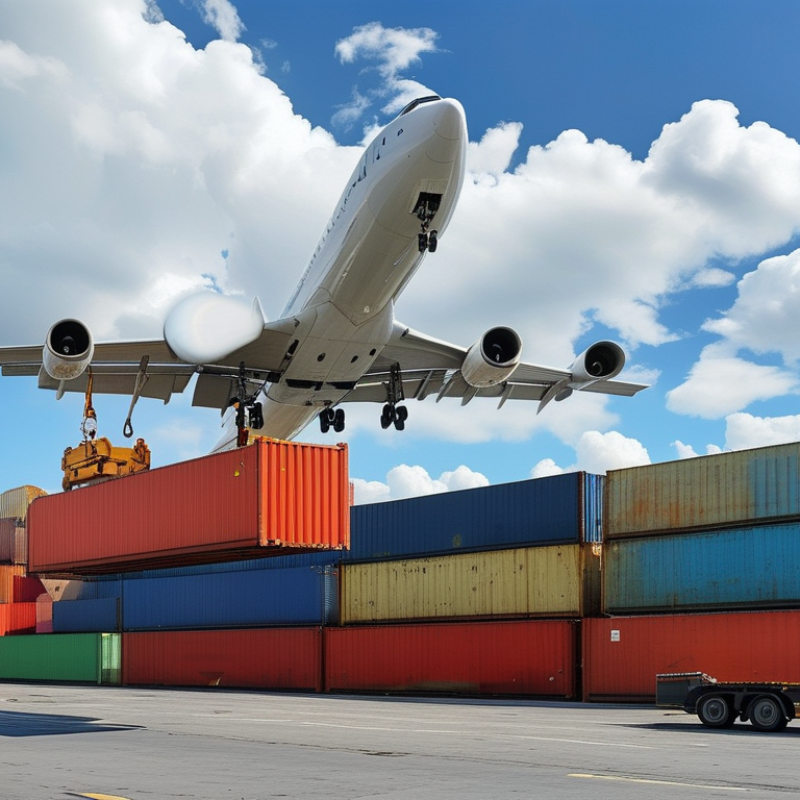
Shipping from China to Europe involves several key processes. Understanding these can help you set realistic expectations. Typically, the journey begins with the packaging of goods. Skilled workers are crucial here. Their attention to detail reduces the risk of damage. After packaging, the goods move to a local port. This leg varies in length, influenced by distance and logistics.
Once at the port, shipments undergo customs clearance. This step is essential for legal compliance. It can be time-consuming, sometimes creating delays. Despite the best planning, unexpected issues may arise. Cargo may get held up due to documentation errors. After clearance, the shipment is loaded onto a vessel.
Ocean freight can take between 20 to 40 days. Factors such as weather and port congestion affect timing. After arrival, goods enter another phase of customs in Europe. Understanding these stages will clarify potential delays. Your experience may vary, but knowledge of the process keeps you prepared.
Shipping times from China to Europe can vary significantly due to multiple factors. One major element is the method of transportation chosen. Air freight can take as little as 3-5 days, while sea freight may require 20-40 days. According to a report by the World Bank, air freight is typically more expensive but offers speed. Conversely, sea freight is more cost-effective for large shipments.
Customs clearance processes also greatly affect shipping durations. Delays in documentation can extend lead times significantly. A study published by the Global Trade Logistics Network indicated that customs complications can add 3-7 days to shipping. Furthermore, seasonal factors, such as holidays and peak shopping seasons, influence transit times due to increased volume and potential congestion.
Container shortages and supply chain disruptions can further complicate schedules. The Drewry Supply Chain Quarterly reported that global container shortages are still affecting many routes, leading to unpredictable delays. These factors highlight the complexity and uncertainty in shipping from China to Europe. Understanding them helps businesses manage expectations effectively.
When considering shipping from China to Europe, various methods are commonly used. Sea freight is one of the most economical options. It works well for large shipments. However, it often takes longer, with transit times ranging from 25 to 40 days. Ideal for bulk goods, it’s essential to factor in potential delays due to port congestion.
Air freight is faster. Deliveries typically take 5 to 10 days, making it perfect for urgent shipments. It's more expensive but can be worthwhile for high-value or time-sensitive products. Customs clearance is another factor to monitor closely. Any issues can add days to the overall delivery time.
Tip: Always plan your shipping method ahead. Understand the costs and times involved. Opt for a trustworthy freight forwarder who can guide you through complex procedures and paperwork.
Additionally, express courier services provide an excellent alternative. They offer door-to-door service, ensuring rapid deliveries. Their reliability, however, comes at a premium price. Make sure to read the fine print regarding additional fees before committing.
| Shipping Method | Estimated Delivery Time | Cost Range (USD) | Tracking Availability |
|---|---|---|---|
| Air Freight | 5-10 days | $5 - $10/kg | Yes |
| Express Shipping | 3-7 days | $20 - $50 | Yes |
| Sea Freight | 20-40 days | $100 - $300 | Limited |
| Rail Freight | 10-20 days | $15 - $35/kg | Yes |
| Standard Air Mail | 7-15 days | $10 - $25 | No |
When shipping from China to Europe, tracking your shipment is crucial. Various online tools can help you stay updated. Most carriers provide tracking numbers once your package ships. You can enter this number on their website. This allows you to see where your package is at all times.
Using mobile apps can also enhance your tracking experience. Many apps consolidate information from various carriers. This way, you don't have to visit multiple websites. Some of these apps offer notifications. You can receive updates directly on your phone. This immediacy can help manage expectations, especially if delays occur.
Yet, tracking is not always perfect. Sometimes scanners fail to update. Your package might appear stuck in one location. This can lead to frustration and uncertainty. In these moments, it's essential to reach out to the carrier for clarity. Communication can ease worries and provide guidance on next steps. Real-time tracking adds convenience but may not always reassure you.
Shipping from China to Europe can be a complex process. The choice between sea and air freight impacts both delivery times and costs. Air freight is faster, typically taking one to two weeks. However, it comes with a higher price tag. On the other hand, sea freight usually takes four to six weeks. It is more economical but requires careful planning.
Many factors influence these time frames. Seasonal shipping, customs clearance, and port congestion can cause delays. For businesses, understanding these variables is crucial. A company should weigh urgency against budget constraints. Choosing air freight may seem appealing for quick delivery. Yet, the significant cost increase can affect profit margins.
Considering reliability, air freight generally offers more predictable schedules. However, fluctuations in air cargo availability can still create uncertainty. Sea freight, while slower, often has more consistent transit times. Each method presents unique challenges and benefits. Businesses must assess their specific needs when deciding between these options.
: The process begins with packaging goods. Skilled workers ensure attention to detail.
Ocean freight usually takes between 20 to 40 days. Weather and port congestion can affect timing.
Customs clearance ensures legal compliance. It can be time-consuming and cause unexpected delays.
Common methods include sea freight, air freight, and express courier services.
Use the tracking number provided by your carrier on their website. Mobile apps can also help.
Documentation errors or customs issues can lead to delays. Unexpected problems may occur despite planning.
Yes, air freight is faster but more expensive. Sea freight is economical but takes longer.
They provide updates on your package's location. Mobile apps consolidate information for convenience.
Reach out to your carrier for clarity. Communication can help ease worries and guide your next steps.
They offer rapid delivery but come at a premium price. Always check for additional fees before committing.
When considering how long does China to Europe shipping take, it is essential to understand the shipping process, which involves several key factors. The shipping duration is influenced by the chosen method—air freight, which is faster, or sea freight, which is more economical but takes longer. Additionally, customs clearance and handling times can affect overall shipping times.
In terms of shipping methods, air freight typically offers quicker delivery, often within a few days, while sea freight may take several weeks. To effectively track your shipment, various tools and tips can be utilized, ensuring you stay informed throughout the process. Ultimately, comparing the costs and delivery times for these shipping options will help you make the best choice for your needs.

DSERG Logistics