When considering logistics options, one often wonders, "what is the difference between air freight and sea freight?" Understanding these differences is crucial for businesses seeking efficiency and cost-effectiveness in shipping. Air freight offers speed, transporting goods across long distances in just hours. It is ideal for time-sensitive deliveries, such as perishable goods or important documents. However, this speed comes at a higher cost.
Conversely, sea freight is the preferred choice for large shipments and bulk goods. It is significantly cheaper than air freight. This method may take several days to weeks, depending on the destination. For businesses managing tight budgets or non-urgent shipments, sea freight presents a viable solution.
Both shipping methods have distinct advantages and limitations. Examining them reveals nuances that can impact operational success. Companies must weigh speed against cost, urgency against volume. The choice between air and sea freight is not always clear-cut, prompting deeper analysis into logistics strategy.
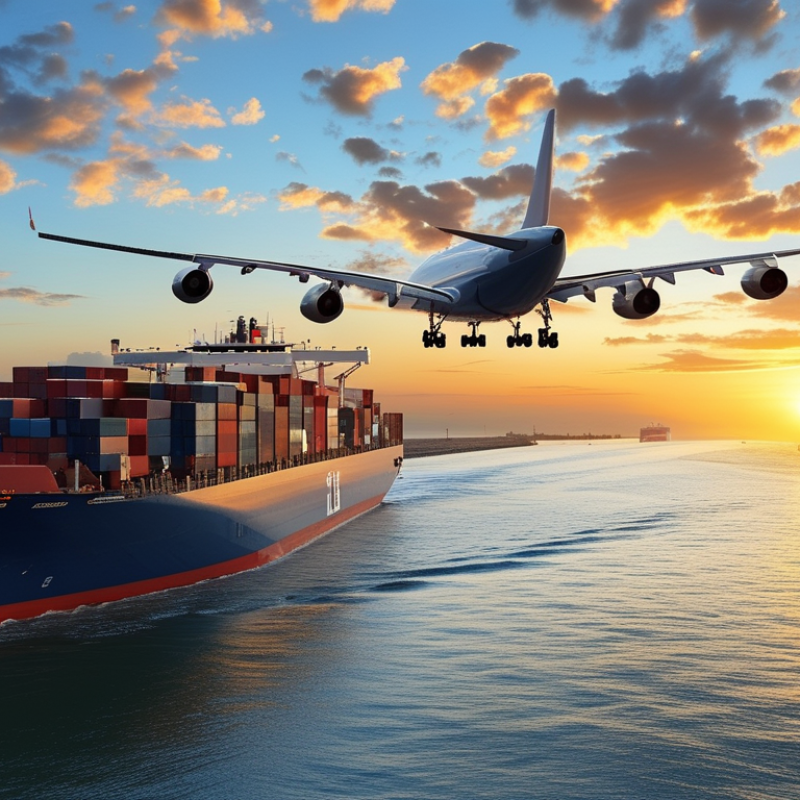
Definition and Overview of Air Freight and Sea Freight
Air freight and sea freight serve as two essential methods of transporting goods. Understanding their definitions and characteristics is crucial for businesses choosing the right shipping option.
Air freight involves transporting cargo via aircraft. It is known for speed and efficiency. This method suits urgent deliveries, like medical supplies or electronics. It allows global reach and minimizes transit time significantly. On the other hand, sea freight uses ships to move larger volumes of goods over longer distances. It is cost-effective for bulk items, such as raw materials or manufactured products. However, it requires more time, often taking weeks instead of days.
When selecting between air and sea freight, consider your specific needs and priorities. If time is critical, air freight is preferable. But, for larger shipments where cost is a factor, sea freight might be a better choice. Always account for potential delays in sea freight due to weather or port congestion.
Tip: Research your logistics provider’s expertise in both shipping modes. Their insights can guide you toward making informed decisions. Weigh the pros and cons based on your unique business requirements.
Comparison of Shipping Speed: Air vs. Sea Freight
When comparing air freight to sea freight, shipping speed is a critical factor. Air freight is known for its rapid delivery capabilities. Typically, goods can reach their destination within 1 to 3 days. This service is ideal for perishable items or urgent shipments. In contrast, sea freight is significantly slower. Shipping by sea may take several weeks, depending on the route and port schedules. Sudden delays can also occur due to weather conditions or port congestion.
Passengers often underestimate the difference in transit times. Relying on sea freight for urgent shipments can lead to lost opportunities or dissatisfied customers. Yet, sea freight has advantages beyond cost savings. It can handle larger volumes and heavier weights, making it suitable for bulk shipments. However, it's essential to weigh the trade-offs. Many shippers find themselves reconsidering options after experiencing delays. Each method has distinct pros and cons, and the choice often reflects the specific needs of the cargo.
Cost Analysis: Factors Influencing Air and Sea Freight Expenses
When analyzing costs in air freight versus sea freight, several factors come into play. Air freight generally incurs higher expenses. The average cost can range from $1.50 to $5.00 per kilogram, depending on destination and weight. Sea freight costs are typically lower, averaging around $0.10 to $0.50 per kilogram. This stark difference highlights budgeting challenges for companies.
Many variables influence these costs. Air freight enjoys speed, making it ideal for urgent shipments. However, businesses must weigh this against the higher expense. Sea freight takes significantly longer, usually spanning several weeks. Yet, it's vital for bulk shipments, where economies of scale can apply. Shipping rates can fluctuate due to fuel prices and demand trends, complicating cost predictions. Recent reports indicate a 10% increase in fuel prices, impacting both modes disproportionately.
Additionally, customs duties and insurance play roles in overall expenses. Air cargo typically involves higher insurance premiums due to potential risk factors during transit. Yet, a lost shipment in sea freight can incur more significant costs due to slower recovery times. As businesses evaluate their logistics, understanding these nuances is essential, requiring constant reflection on cost efficiency.
2026 Cost Analysis: Differences Between Air Freight and Sea Freight
Environmental Impact: Sustainability of Air Freight vs. Sea Freight
Air freight and sea freight offer distinct environmental impacts. Air freight is faster, but it comes at a high cost to the planet. Planes emit significantly more CO2 per ton-mile compared to ships. This greenhouse gas contributes to global warming. Moreover, air transport also demands more energy, leading to a larger environmental footprint.
In contrast, sea freight is generally more sustainable. Ships can carry thousands of tons of goods, making them more energy-efficient. They produce lower emissions and are better suited for bulk transport. However, shipping is not without its flaws. Marine pollution, including oil spills and plastic debris, pose significant threats to the oceans.
The sustainability of each method requires careful consideration. Both options have their drawbacks and benefits. Companies must assess their priorities, balancing cost, speed, and environmental responsibility. Understanding the impact of logistics choices is crucial for a greener future.
Types of Cargo Suitable for Air Freight and Sea Freight
When choosing between air freight and sea freight, the type of cargo plays a crucial role. Air freight is ideal for high-value items. This includes electronics, pharmaceuticals, and perishable goods. According to industry data, nearly 35% of air cargo consists of goods valued over $100,000. Speed is essential here. Delicate items need quick transportation to avoid damage.
In contrast, sea freight is best for bulk items. This includes raw materials, large machinery, and consumer goods. The cost per ton decreases significantly with sea shipping. Reports suggest that sea freight can be about 5 to 6 times cheaper than air freight for non-urgent shipments. However, the transit time usually exceeds several weeks, and this can lead to inventory challenges.
Both methods have their drawbacks. Air freight is expensive but ensures a quick delivery. Sea freight is cost-effective but may not meet urgent deadlines. Balancing cost and speed can be complex. Recognizing each cargo’s specific needs is vital for businesses.
FAQS
: Air freight costs range from $1.50 to $5.00 per kilogram, while sea freight averages $0.10 to $0.50.
Air freight offers speed, making it suitable for urgent shipments but at a higher cost.
Rates can fluctuate based on fuel prices and demand trends, complicating cost predictions.
They must weigh speed against cost. Each method has its own advantages.
Air freight works best for high-value items like electronics and perishables that require quick delivery.
Sea freight is ideal for bulk items, such as raw materials, due to its lower cost per ton.
Air freight is faster; sea freight takes several weeks.
Air cargo usually has higher insurance premiums, while lost sea shipments may incur greater costs due to slower recovery.
Yes, longer transit times can create difficulties in maintaining adequate inventory levels.
They must reconcile the trade-off between cost efficiency and timely delivery for their specific cargo needs.
Conclusion
The article "2026 Top Differences Between Air Freight and Sea Freight" provides a comprehensive overview of what is the difference between air freight and sea freight. It begins by defining both transportation methods, highlighting the key characteristics and uses of each. The discussion progresses to compare shipping speed, revealing that air freight is significantly faster than sea freight, making it favorable for urgent shipments.
Cost analysis is also examined, noting that air freight generally incurs higher expenses due to fuel, handling, and speed-related factors, while sea freight is more economical for bulk shipments. Additionally, the article evaluates the environmental impact of both modes, showing that sea freight tends to be more sustainable. Finally, it addresses the types of cargo best suited for each method, emphasizing that time-sensitive and high-value items are ideal for air, whereas bulky and less urgent goods typically favor sea transportation.

 DSERG Logistics