China’s shipping lines connect factories, ports, and buyers across industries. But which sectors depend on them most? The question “what industries rely on China dedicated shipping lines” matters to importers planning production, inventory, and delivery schedules. UNCTAD’s Review of Maritime Transport 2024 notes that more than 80% of world trade by volume moves by sea. That figure explains the scale of ocean freight, though it does not show which industries depend on China-specific services.
China’s port activity offers useful context. The Ministry of Transport reported that Chinese ports handled about 310 million TEUs in 2023. A TEU is one standard 20-foot container. Transport economist Jean-Paul Rodrigue’s work on global supply chains highlights how maritime networks connect geographically dispersed production. UNCTAD Secretary-General Rebeca Grynspan has described maritime transport as “the backbone of global trade.” The phrase is broad, but relevant. Electronics components, apparel, furniture, machinery, and consumer goods often travel in containers from Chinese manufacturing hubs. Automotive suppliers, retailers, and renewable-energy firms may also depend on regular sailings, although cargo needs differ. A container of textiles is not a shipment of bulky industrial equipment.
This guide examines ten industries and the shipping patterns that support them. It considers capacity, transit time, port access, and schedule reliability. These indicators are not guarantees. Congestion and seasonal demand can still disrupt plans, and industry categories sometimes overlap. That is worth remembering. Numbers help, but they do not tell every story.
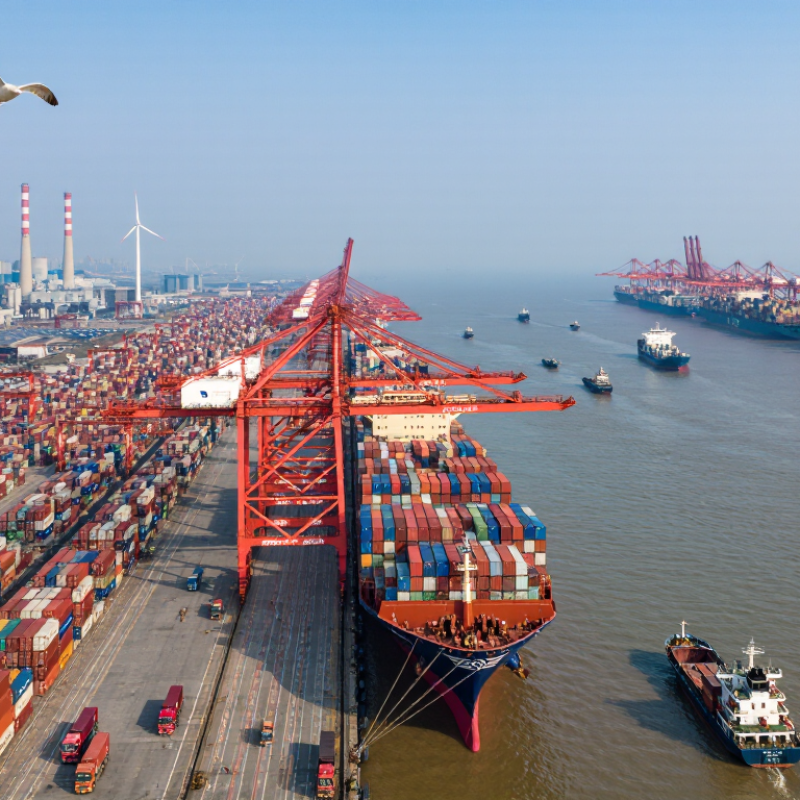
How China Shipping Lines Connect Producers, Ports, and Global Markets
China shipping lines connect producers with ports and overseas markets through a chain of vessel routes, inland transport, and cargo handling. A container of electric motors might travel by rail to a coastal port, wait for vessel space, then cross several routes before reaching an assembly plant. The handoffs matter. Port schedules, container availability, and accurate paperwork all affect delivery times. Industries that rely on these links include electronics, machinery, apparel, furniture, home goods, automotive parts, toys, footwear, agricultural products, and building materials.
For producers, regular sailings help coordinate purchases, production shifts, and export schedules. For buyers, route options and port access shape inventory decisions and delivery costs. A delay at one terminal can leave warehouses and retailers waiting. Still, a shipping route is not a guarantee. Weather, congestion, and changing demand can disrupt a careful plan. Smaller suppliers may also have less room to negotiate when space is tight. That deserves attention. Checking schedules, securing cargo properly, and sharing complete shipment details can reduce avoidable problems, though some delays remain outside a shipper’s control. The network is powerful, but never perfectly smooth.
How to Assess an Industry’s Reliance on China Shipping Lines
Assess reliance on China shipping lines through actual cargo movement, not supplier addresses alone. UNCTAD reports that over 80% of global trade by volume moves by sea, making carrier access and port routes material risks. The WTO reported that China supplied 14.2% of world merchandise exports in 2023. That figure signals broad sourcing exposure, but it does not show which shipping lines an industry uses.
Measure the share of inbound and outbound freight booked on China-based lines, then separate it by product, route, and season. Check bills of lading, freight invoices, booking records, and shipment delays. A furniture importer, for example, might track container bookings from coastal factories and record how often cargo transships before reaching its market. Count both shipment volume and value; one missing component can distort the picture.
Then test how quickly the industry could switch carriers or routes. Compare available sailings, transit times, extra handling, and the cost of moving a container through another port. UNCTAD’s Review of Maritime Transport 2024 projected maritime trade growth of 2% in 2024, underscoring how capacity pressures can affect planning. Treat that as context, not a company-level forecast. The method has limits: booking data may omit subcontracted capacity, and a single disrupted month can exaggerate dependence. A clear assessment should state those gaps.
The Top 10 Industries That Rely on China Shipping Lines
China shipping lines serve industries that move large volumes of goods across long distances. Electronics makers ship circuit boards, screens, and finished devices in carefully packed containers. Household appliance producers move refrigerators, washing machines, and smaller kitchen equipment. These loads need secure handling and accurate arrival estimates. Timing matters.
Apparel and footwear companies depend on regular sailings to keep seasonal stock moving. Toy manufacturers often ship mixed cartons that need careful labeling and space planning. Furniture makers use containers for flat-packed panels, frames, and upholstery. Machinery producers also rely on shipping lines for bulky equipment, spare parts, and production components. A single delayed component can hold up a larger assembly.
Automotive suppliers send items such as seat parts, mirrors, and wiring assemblies. Construction-material businesses ship tiles, fittings, and other heavy goods, where container weight limits matter. Solar-equipment suppliers move panels and mounting parts, often with added protection against impact. Not every shipment is urgent. But schedules still matter. A practical planning mistake is treating the departure date as the arrival date; port handling and inland transport add time. Checking container dimensions, cargo weight, and delivery windows before booking can prevent avoidable delays.
How Shipping Needs Differ Across These Industries
Shipping needs are not interchangeable, even when goods leave the same port. Agricultural exporters often prioritize seasonal vessel space and ventilation; fresh produce may need refrigerated containers and frequent temperature checks. Food processors value predictable arrival windows because missing ingredients can leave production lines idle. Automotive suppliers move bulky components on tightly linked schedules, while electronics shippers often prioritize secure handling, moisture protection, and accurate inventory visibility. Small delays can interrupt assembly. Timing matters.
Fashion retailers plan around seasonal launches, so a late container can leave shelves mismatched to demand. Furniture shipments need careful packing and efficient use of container space, since empty gaps quickly raise freight costs. Construction firms may need oversized machinery or materials delivered in sequence to a specific site; storage space there can be limited. Energy equipment often requires heavy-lift planning, route checks, and coordination between ports, trucks, and installation crews. Industrial machinery may need custom crating and clear handling instructions to prevent damage to sensitive parts. Retail distributors depend on reliable replenishment and shipment tracking across many product types. No plan is perfect. A forecast is only a forecast, and shippers sometimes need to adjust when weather, port congestion, or production changes disrupt the schedule.
Top 10 Industries That Rely on China Shipping Lines
How shipping needs differ across industries, shown as qualitative ratings from 1 (lower) to 5 (higher).
Ratings are illustrative assessments of typical shipping requirements, not measured shipment volumes or market-share statistics. Apparel and furniture often prioritize container capacity, while electronics emphasize schedule reliability and careful handling. Machinery and chemicals can require more specialized cargo handling.
What Factors May Change Their Reliance on China Shipping Lines
Reliance on China shipping lines can change quickly when freight prices, sailing schedules, or factory output shift. For electronics and apparel, a missed departure may delay a seasonal launch or leave shelves short. A logistics team may compare transit times, not just ocean rates. A cheaper route can cost more if containers wait several days at a port.
Port congestion, weather disruptions, and changes in vessel capacity all affect schedule reliability. So do trade policies and new customs requirements, which can alter paperwork and delivery estimates. Some firms respond by splitting orders across suppliers in different countries. That adds coordination work, and it does not instantly replace China’s dense network of factories and nearby component makers. Buffers have limits.
Technology and sustainability targets may also shape shipping choices. Better tracking can help planners spot delays earlier, while fuel-efficiency requirements may affect vessel availability and costs. Companies with bulky furniture or machinery shipments may weigh container space differently from those shipping compact components. In practice, forecasts are often imperfect: demand changes after bookings are made, and alternate routes may look better on paper than they perform. A useful review compares actual arrival dates, damage rates, and total landed costs across several seasons.
FAQS
Track the share of inbound and outbound freight booked with those carriers. Review bills of lading, freight invoices, booking records, and delays. Supplier addresses alone can mislead.
A few high-value electronics loads may matter more than many low-value cartons. Counting only containers can hide that exposure. The numbers need context.
Electronics, appliances, apparel, toys, furniture, machinery, automotive parts, construction materials, solar equipment, and food businesses may rely on them. Needs vary.
Confirm cargo dimensions, weight limits, handling needs, and delivery windows. A departure date is not an arrival date. Port handling adds time.
Produce may need refrigerated containers and temperature checks. Electronics need moisture protection, while machinery may need custom crating. Furniture needs careful packing.
Compare available sailings, transit times, extra handling, and costs through other ports. Check inland transport too. A route may look simple on paper.
Compare booking records with invoices, bills of lading, and actual arrival dates. A furniture importer could track transshipments from coastal factories. One disrupted month may exaggerate dependence.
Weather, port congestion, production changes, and limited capacity can alter schedules. Booking data may also miss subcontracted space. No plan is perfect.
Conclusion
China shipping lines link factories, suppliers, ports, and overseas markets, helping goods move through complex international supply chains. To understand which sectors depend on these services, businesses can consider shipment volume, sourcing concentration, delivery schedules, cargo characteristics, and the availability of alternative routes. This overview answers the question “what industries rely on China dedicated shipping lines” by examining sectors such as electronics, machinery, automotive parts, textiles and apparel, furniture, household goods, construction materials, and consumer products.
Shipping needs vary across industries: some prioritize frequent departures and dependable transit times, while others require specialized handling, flexible capacity, or careful coordination with production schedules. Their reliance may shift as sourcing patterns, customer demand, port capacity, freight costs, technology, and transport infrastructure change. Assessing these factors can help companies plan resilient supply chains and choose shipping arrangements that suit their products and markets.

 DSERG Logistics