Select and configure high-performance industrial supply lines mapped across core Sino-European trade corridors.

Over the past decade, bilateral trade between China and Portugal has transitioned from basic commodity exchange into a multi-tiered economic pipeline. As the westernmost gateway of continental Europe, Portugal occupies a critical role in transatlantic shipping, connecting the European landmass directly to South America, Africa, and West Coast trade channels. The expansion of deep-water assets, such as the Port of Sines (PTSIE), Port of Lisbon (PTLIS), and Port of Leixões (PTLEI), has necessitated a highly sophisticated tier of export infrastructure from China's manufacturing heartlands.
For industrial operators, manufacturing exporters, and cross-border e-commerce giants, the China-Portugal shipping lane represents an strategic logistics choke point. Modern supply chains can no longer tolerate high transit variances or unstable customs clearance routines. As structural requirements change, logistics agencies must deploy high-value "Information Gain" strategies—such as real-time multi-sensor telemetry, custom tariff pre-assessments, and optimized LCL (Less than Container Load) networks—to drive down costs while maximizing supply chain visibility.
Deploying dedicated FCL and LCL routes using major maritime alliances (2M, Ocean Alliance, THE Alliance) directly routing from Shanghai, Ningbo, and Shenzhen to crucial Portuguese deep-water ports.
Leveraging charter operations and block space agreements (BSA) via major global hubs to Lisbon Airport (LIS), ensuring transit times of 3 to 5 business days for high-value cargo.
Comprehensive Delivered Duty Paid protocols handling HS Code mapping, VAT prepayments under the EU OSS system, EORI validations, and seamless last-mile drops.
The global shipping landscape is under persistent geopolitical and environmental strain. Routing via the Cape of Good Hope, fluctuations in the Suez Canal congestion index, and changing emissions compliance parameters (such as the EU ETS for maritime transport) require exporters to adopt flexible routing methodologies. Exporters supplying Portuguese industries must transition from simple port-to-port carriers to holistic logistics consultants.
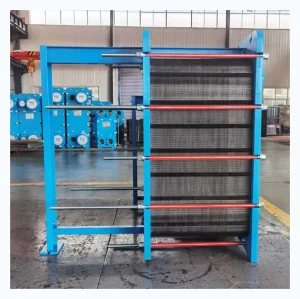
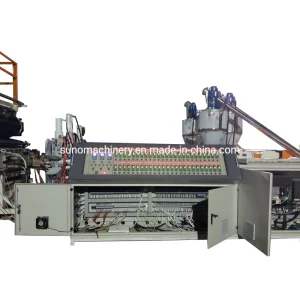
The profile of imports from China into Portugal has shifted significantly. Standard textiles and low-tier goods are replaced by high-value assemblies, industrial components, customized machinery, structural storage frameworks, and green energy infrastructure. This macro-shift demands strict adherence to security and structural engineering standards. Products such as maximum pressure plate heat exchangers or precision packaging automation require secure shipping environments, specialized thermal protections, and precise lashing protocols to prevent structural fatigue during transit across rough oceanic paths.
Entering the European Union market via Portugal involves strict customs protocols. Failure to execute precise regulatory clearances can result in severe detention tariffs, demurrage fees, or outright cargo seizures. The main regulatory framework is governed by the Union Customs Code (UCC), requiring precise declaration of all goods before their entry into the EU customs zone.
Jinhua DSERG Logistics Co., Ltd. is a professional international freight forwarding and supply chain service provider, positioned as a China International Logistics Dedicated Line | Air Freight & Express Shipping Solutions provider. The company is committed to delivering fast, stable, and cost-efficient cross-border logistics services for global e-commerce, manufacturing exporters, and trading companies.
Founded in 2014 in Jinhua, China, DSERG Logistics initially focused on regional freight consolidation and export handling services. With the rapid growth of global e-commerce and cross-border trade, the company expanded into dedicated international logistics lanes covering air freight, express delivery, and multimodal transport solutions. By 2018, DSERG had established stable shipping routes connecting China with Europe, the United States, the UK, Australia, and Southeast Asia.
Today, the company operates a comprehensive logistics network integrating customs clearance, warehousing, cargo consolidation, and last-mile delivery. With advanced tracking systems and optimized route planning, DSERG ensures high efficiency, transparency, and reliability throughout the shipping process. Jinhua DSERG Logistics Co., Ltd. continues to serve clients across manufacturing, retail, and e-commerce industries worldwide. With a strong focus on speed, security, and service quality, the company is dedicated to building efficient international logistics dedicated lines and supporting seamless global trade connectivity.


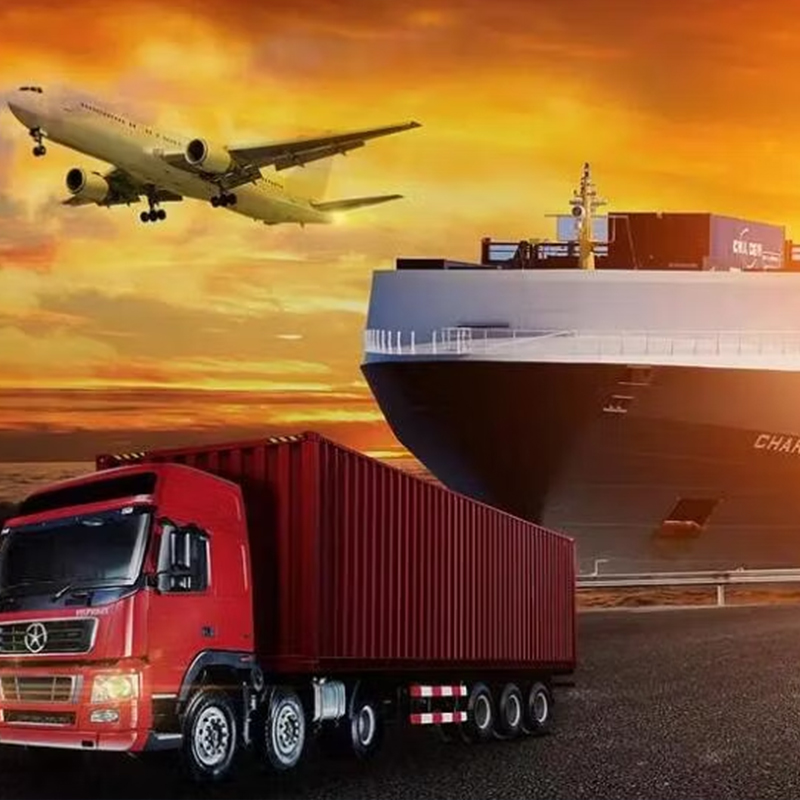

Freight forwarding is not a one-size-fits-all product. Different industrial matrices in Portugal demand highly customized, sector-specific logistics solutions:
As the shipping industry moves toward digitizing operational systems, DSERG is deploying a technological roadmap centered on visibility, predictive risk assessment, and carbon efficiency. The integration of IoT (Internet of Things) sensor tracking allows shippers of high-value industrial machinery to monitor ambient humidity, G-force impacts, and real-time geographical coordinates throughout the voyage from China to Lisbon.
Furthermore, our routing engine uses predictive machine learning models to analyze weather anomalies, harbor congestion indices, and customs clearance queue velocities. By routing cargo dynamically through secondary European gateways when main hubs face labor issues, DSERG guarantees reliable lead times for our partners.
High-frequency shipping operations demonstrating global operational capabilities.
Technical inquiries regarding customs, transit parameters, and supply chain design.
Maritime transit from major Chinese ports (Ningbo, Shanghai, Shenzhen) to Lisbon or Leixões takes approximately 30 to 40 days depending on the routing (direct vs. transshipment). Air freight solutions typically span 3 to 7 days, including customs handling at Lisbon Airport (LIS) or Porto Airport (OPO).
Under DDP terms, DSERG coordinates the entire export-import chain. This includes local collection in China, domestic export customs, booking maritime or air assets, managing import clearance through our European customs brokers, paying all applicable EU customs duties and VAT, and arranging last-mile delivery to the buyer's Portuguese facility.
Key documentation includes a Commercial Invoice, packing list, Bill of Lading (B/L) or Air Waybill (AWB), EORI registration proof for the importer of record, CE Declaration of Conformity (where applicable for electronics and machinery), and Certificate of Origin to guarantee compliant import tariff applications.
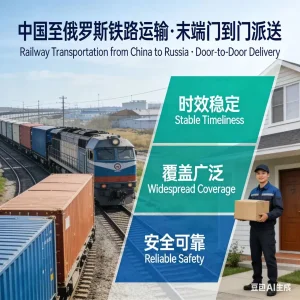
Yes, rail freight operates via the Sino-European Express rail network. Cargo travels through Central Asia and Central Europe before arriving at major terminals in Spain or Germany, with cross-docking and final trucking into Portugal. This option cuts transit times to about 20 to 25 days compared to ocean shipping.
Oversized equipment is managed using specialized container solutions, including Open Top (OT) or Flat Rack (FR) units, or direct bulk shipping methods. DSERG provides expert marine survey, lashing verification, and customized structural protections to prevent transport damage.
Yes, we specialize in shipping DG (Dangerous Goods) cargo, including Lithium-ion battery assemblies, automotive machinery parts, and specialized chemicals. We ensure complete compliance with UN packaging guidelines, IMDG regulations for sea freight, and IATA rules for air transport.
Select and configure high-performance industrial supply lines mapped across core Sino-European trade corridors.
 DSERG Logistics