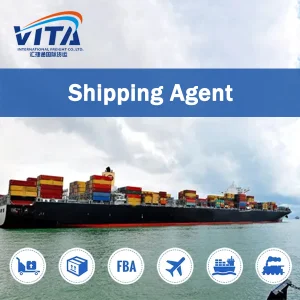
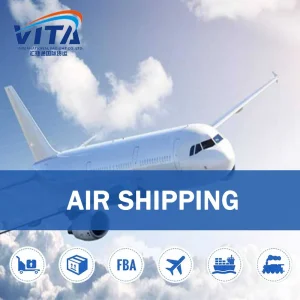
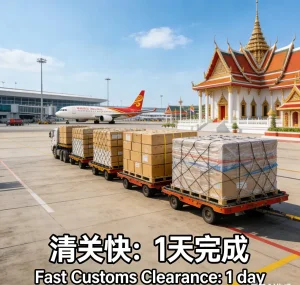
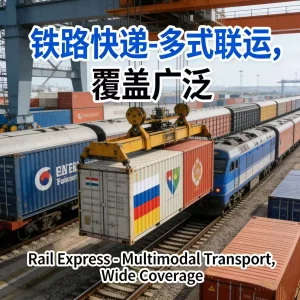
An executive-grade logistics guide for exporters, manufacturers, e-commerce sellers, and procurement teams moving cargo between Southeast Asia and Novosibirsk through China-based consolidation, multimodal transport, customs clearance, warehousing, and door-to-door delivery.
These four products reflect the most common commercial searches from Southeast Asian suppliers, China-based exporters, and Novosibirsk buyers: China–Russia sea multimodal container logistics, air express for time-sensitive cargo, DDP/DDU coverage for Southeast Asian countries, and tax-inclusive express transportation to Thailand, Laos, Myanmar, and Vietnam. Each route is designed to be integrated into a wider door-to-door or DDP/DDU supply-chain solution.
Novosibirsk is not a peripheral stop on a logistics map. As one of Russia’s largest cities and the administrative, scientific, educational, and industrial core of Siberia, it concentrates demand from machinery, metal processing, chemicals, food processing, energy equipment, scientific instrumentation, construction materials, retail chains, and digital commerce. For Southeast Asian exporters, this means the destination market is both a consumer market and an industrial purchasing market. A shipment may contain consumer electronics for an online seller, spare parts for a manufacturing line, packaging film for a food plant, laboratory equipment for a research institute, or seasonal inventory for a regional distributor. The logistics design must therefore be segment-aware rather than quote-led.
Novosibirsk’s business landscape includes industrial parks, logistics complexes, wholesale distribution networks, retail chains, e-commerce parcel flows, and academic and research institutions. Its profile as a science and engineering hub also generates demand for high-value, low-volume components and instruments where air freight and door-to-door DDP can be justified by speed and certainty. In parallel, regional infrastructure and consumer demand support heavier flows of building materials, machinery, auto parts, and general merchandise, where sea-rail or road-rail multimodal routing and consolidated LCL provide better economics.
The local climate and distance from seaports matter. Winter conditions affect road transit and handling windows. Cargo planning must account for insulated packaging where required, moisture protection, terminal cut-off discipline, and buffer inventory during peak season. Suppliers who understand these conditions can offer more reliable arrival windows and lower hidden costs.
Commercial research for this corridor usually reflects mixed intent:
A Novosibirsk-bound shipment can be a single online order, a weekly consolidated batch for a marketplace seller, a production-critical spare part, or a project consignment for a regional operator. The correct logistics architecture depends on value density, urgency, regulatory profile, packaging, and landed-cost tolerance.
Marketplace sellers and independent stores need parcel consolidation, SKU-level visibility, DDP tax handling, overseas warehousing options, and predictable last-mile delivery for Novosibirsk consumers and regional distributors. Sea freight supports low-cost inventory replenishment, while air express protects fast-moving SKUs and seasonal launches.
Machinery, energy equipment, automotive, and manufacturing users often require urgent components with clear documentation and safe handling. Air freight, express, and road-rail options can be combined with factory pickup, consolidated warehousing, and door delivery to reduce production downtime.
Regional wholesalers and retail chains need LCL/FCL sea freight, cargo consolidation from Yiwu, Shenzhen, Shanghai, and other China hubs, plus seasonal buffer planning. DDP/DDU delivery can simplify landed-cost control for buyers who prefer a single commercial partner.
Scientific instruments, electronics, and precision components require shock protection, humidity control, careful labelling, and document accuracy. Air express and multimodal air-sea combinations can balance speed, security, and cost for Novosibirsk research and engineering users.
Searches such as “Southeast Asia cross-border logistics suppliers & exporter for the Novosibirsk market” rarely represent one simple question. They often combine supplier discovery, route feasibility, customs terms, transit time, consolidation capability, and risk control. A high-quality logistics article should answer these commercial questions in layers: what service fits the cargo, which incoterm or delivery term applies, what documents are needed, how the route is controlled, and how exceptions are escalated. That is the kind of information gain procurement teams need before they request a quote.
The corridor is being reshaped by e-commerce growth, supply-chain diversification, multimodal capacity, compliance pressure, and buyer demand for transparent landed costs. The following trends are especially relevant for exporters and logistics suppliers serving Novosibirsk.
Sea, air, rail, and road are no longer isolated options. Competitive suppliers combine modes by cargo urgency, value density, winter conditions, border queues, and final delivery windows.
Buyers want to know who pays duties, taxes, destination charges, and last-mile fees. Clear term definitions and documentary discipline reduce disputes and surprise costs.
Parcel flow is becoming more structured: bulk consolidation, overseas warehousing, barcode-level tracking, returns handling, and peak-season capacity planning.
Shippers expect milestone tracking, exception alerts, electronic documents, and API or spreadsheet integrations instead of fragmented email updates.
Restricted-party checks, product classification, invoice accuracy, customs valuation, and destination requirements are becoming part of normal operating procedure.
Consolidation centers and overseas warehousing let sellers hold inventory closer to demand while postponing final allocation and delivery decisions.
Carbon reporting and load optimization are moving from marketing language into procurement criteria, especially for large exporters and retail supply chains.
Alternative border points, backup carriers, buffer inventory, and documented contingencies protect service levels when weather or terminal congestion disrupts a lane.
At a macro level, a robust Southeast Asia–China–Novosibirsk solution should be designed as a corridor with five control points: supplier pickup, origin consolidation, export and transit clearance, line-haul and border transfer, and destination delivery. The service can be structured as DDP, DDU, or door-to-door with a named place of delivery. Key performance indicators should include pickup punctuality, customs release cycle, line-haul transit variance, cargo damage rate, documentation accuracy, and final-mile completion. This control-tower model gives exporters a repeatable way to compare routes without losing sight of local execution in Novosibirsk.
Share your cargo profile, origin country, delivery window, and preferred DDP/DDU terms.
Technology will not replace local operational judgment in Novosibirsk, but it will make that judgment faster, more consistent, and easier to audit. A practical roadmap should connect digital tools with documented standard operating procedures.
Standardize cargo data, invoice data, customs fields, warehouse milestones, and delivery events. Provide common tracking views for exporters, sellers, and Novosibirsk consignees.
Use cost, transit, capacity, and winter-risk inputs to compare sea multimodal, air express, rail, and road options for each shipment profile.
Flag document mismatches, customs queries, missed cut-offs, and destination delays earlier. Route alerts to accountable operators with clear escalation rules.
Integrate emissions estimation, consolidation optimization, and supplier scorecards so buyers can compare service quality and environmental impact alongside cost.
In the future, AI-assisted document checks, predictive ETAs, barcode-first receiving, and digital twin simulations can help exporters test scenarios before committing inventory. For example, a seller might compare air express to Novosibirsk against sea-rail with buffer stock in a China consolidation center. An industrial buyer might compare DDP door delivery with DDU collection at a named terminal. The winning model is not always the fastest or cheapest; it is the model with the lowest total landed risk for the cargo, the buyer, and the promised delivery window.
For the Novosibirsk market, cold-weather handling, border variability, and destination availability make exception design especially important. A technology roadmap should therefore include human confirmations at critical points: pickup condition, export documentation, border transfer, customs release, and final delivery. This combination of digital visibility and operational discipline supports E-E-A-T: real experience, recognized expertise, authority in lane design, and trust through transparent procedures.
The following services extend the corridor into LCL/FCL ocean freight, 1688 procurement consolidation, China-origin freight forwarding, and cross-border road freight. They can be combined with the featured products above to create a DDP/DDU or door-to-door solution for Novosibirsk buyers.
Jinhua DSERG Logistics Co., Ltd. is a professional international freight forwarding and supply chain service provider, positioned as a China International Logistics Dedicated Line | Air Freight & Express Shipping Solutions provider. The company is committed to delivering fast, stable, and cost-efficient cross-border logistics services for global e-commerce, manufacturing exporters, and trading companies.
Founded in 2014 in Jinhua, China, DSERG Logistics initially focused on regional freight consolidation and export handling services. With the rapid growth of global e-commerce and cross-border trade, the company expanded into dedicated international logistics lanes covering air freight, express delivery, and multimodal transport solutions. By 2018, DSERG had established stable shipping routes connecting China with Europe, the United States, the UK, Australia, and Southeast Asia.
Today, the company operates a comprehensive logistics network integrating customs clearance, warehousing, cargo consolidation, and last-mile delivery. With advanced tracking systems and optimized route planning, DSERG ensures high efficiency, transparency, and reliability throughout the shipping process.
Jinhua DSERG Logistics Co., Ltd. continues to serve clients across manufacturing, retail, and e-commerce industries worldwide. With a strong focus on speed, security, and service quality, the company is dedicated to building efficient international logistics dedicated lines and supporting seamless global trade connectivity.


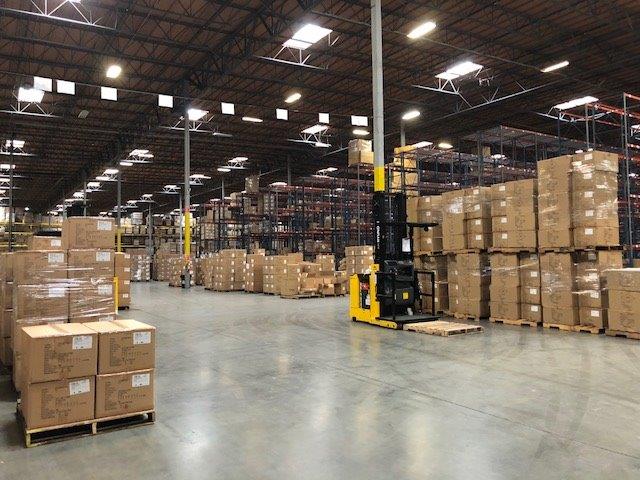
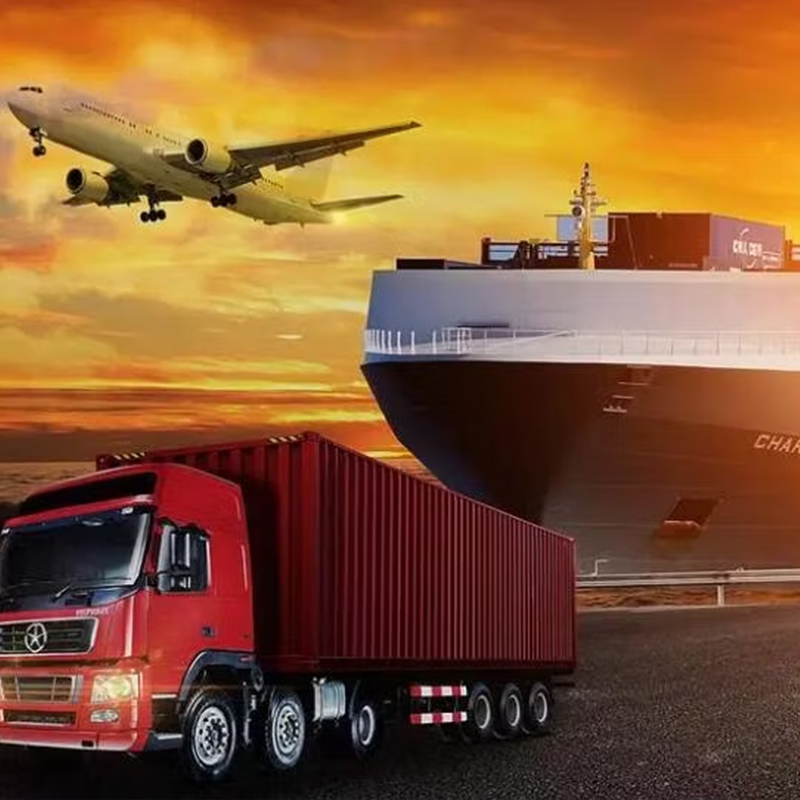

From an E-E-A-T perspective, DSERG’s experience is grounded in its 2014 founding, its 2018 route expansion, and its integrated operating model. Its expertise appears in the ability to combine customs clearance, warehousing, consolidation, line-haul, and last-mile delivery. Authority is supported by lane-specific product pages and repeatable operating procedures. Trust is supported by tracking, route planning, documentation governance, and clear scope definitions for DDP, DDU, and named-place delivery. Prospective buyers should verify current transit times, product restrictions, customs requirements, and destination delivery terms before booking.
There is no single best route for every cargo. Air express is usually suitable for high-value, urgent, or low-volume shipments. Sea multimodal, sea-rail, and road-rail options are often better for heavier or less urgent cargo. The practical choice depends on origin country, cargo value density, delivery window, budget, customs profile, and winter conditions.
Yes. The exact scope must be defined in writing, including origin pickup, export clearance, line-haul, import formalities where applicable, duties and taxes, destination charges, and final delivery point. DDP and DDU scope can vary by lane and commodity, so a shipment-level confirmation is essential.
Common categories include e-commerce parcels, consumer goods, industrial spare parts, machinery components, auto parts, building materials, packaging materials, electronics, scientific instruments, and general merchandise. Some goods may require special documentation, permits, packaging, or handling arrangements, so early review is recommended.
Suppliers can ship to designated China consolidation points, where cargo is received, checked, labelled, packed, palletized, and prepared for export. Consolidation is especially useful for 1688 procurement, multiple suppliers in Yiwu, Shenzhen, Shanghai, or other hubs, and mixed-SKU e-commerce inventory.
Typical documents include commercial invoice, packing list, transport document, contract or order reference, product description, HS classification support where needed, and any permits or certificates required by the product and route. Requirements can change, so documents should be checked before cargo release.
Warehousing and consolidation can often be integrated into the route. Overseas warehousing and last-mile delivery can be considered for e-commerce and distribution flows. Availability, cost, and service scope should be confirmed for the specific destination and cargo volume.
Tracking should cover key milestones such as supplier pickup, warehouse receipt, export clearance, line-haul departure, border transfer, customs release, and final delivery. For higher-volume accounts, structured tracking reports or system integrations can be discussed.
Send the origin city, destination address, cargo description, weight and volume, packaging type, readiness date, delivery deadline, preferred terms, and any special handling requirements. The fastest way to start is to click Send Inquiry Now and share your shipment profile.
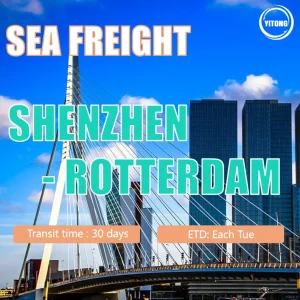
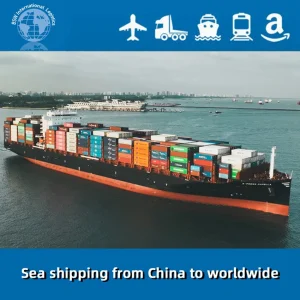
The final product set below covers e-commerce sea freight, express forwarding, global logistics agency support, China–Southeast Asia sea freight, Shenzhen–Rotterdam export forwarding, DDP/DDU air-sea door-to-door service, experienced China cross-border forwarding, and worldwide door-to-door DDP shipping. These services can be quoted individually or combined into a Novosibirsk-specific supply-chain program.
 DSERG Logistics