Basic Information
Model NO.
China-Europe Railway Express
Type
International Aviation Service
Connections
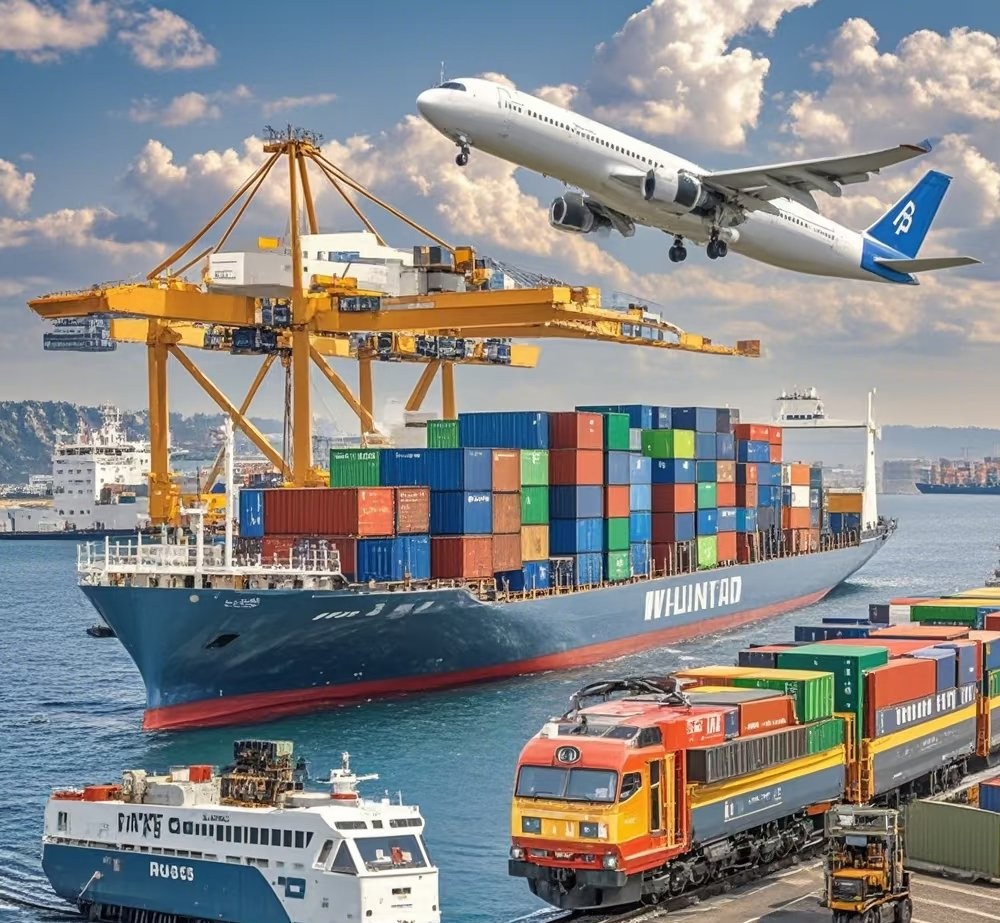
Rail + Sea/Road/Air Transport
Standard Runtime
10-15 Days (Corridor Dependent)
Costs
60%-70% Lower Than Air Freight
Strategic Lifeline of Eurasian Connectivity
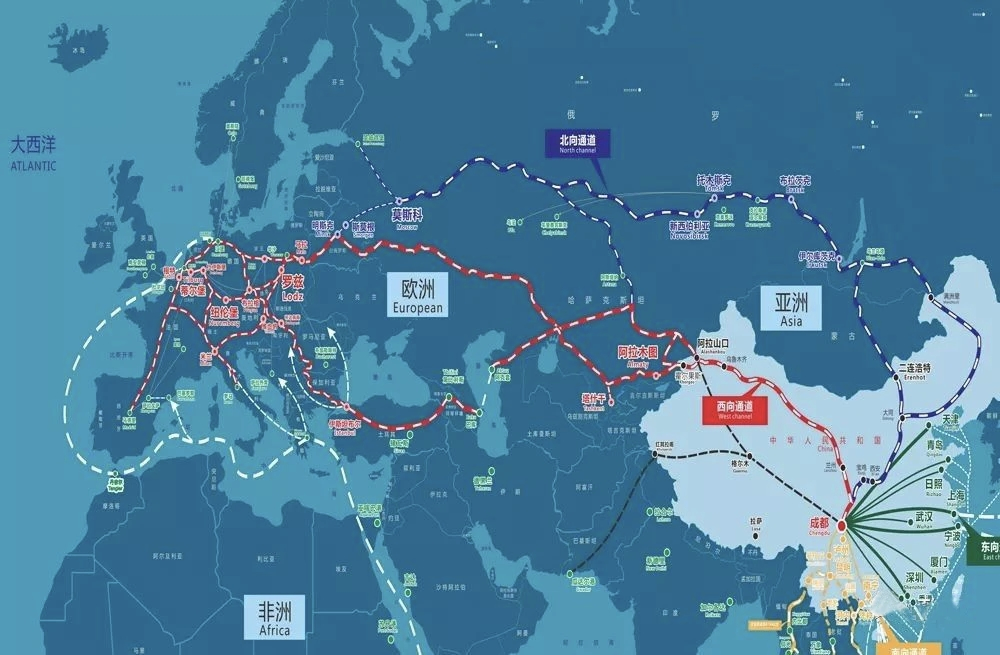
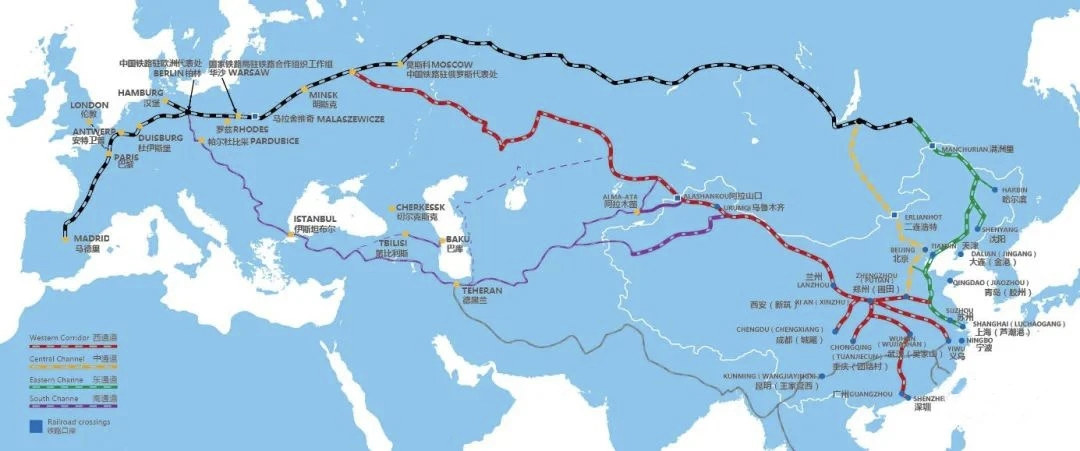
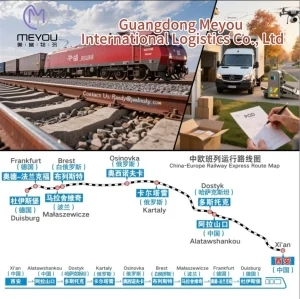
The China-Europe Railway Express (CRE, also known as CR Express), launched in March 2011, has evolved into a cornerstone of transcontinental logistics under the Belt and Road Initiative (BRI). Operated by the China State Railway Group, this rail network bridges Asia and Europe through three strategic corridors, revolutionizing international freight transport with unparalleled efficiency and sustainability.
Key Features & Achievements
🌐
Operational Framework: Three Main Corridors
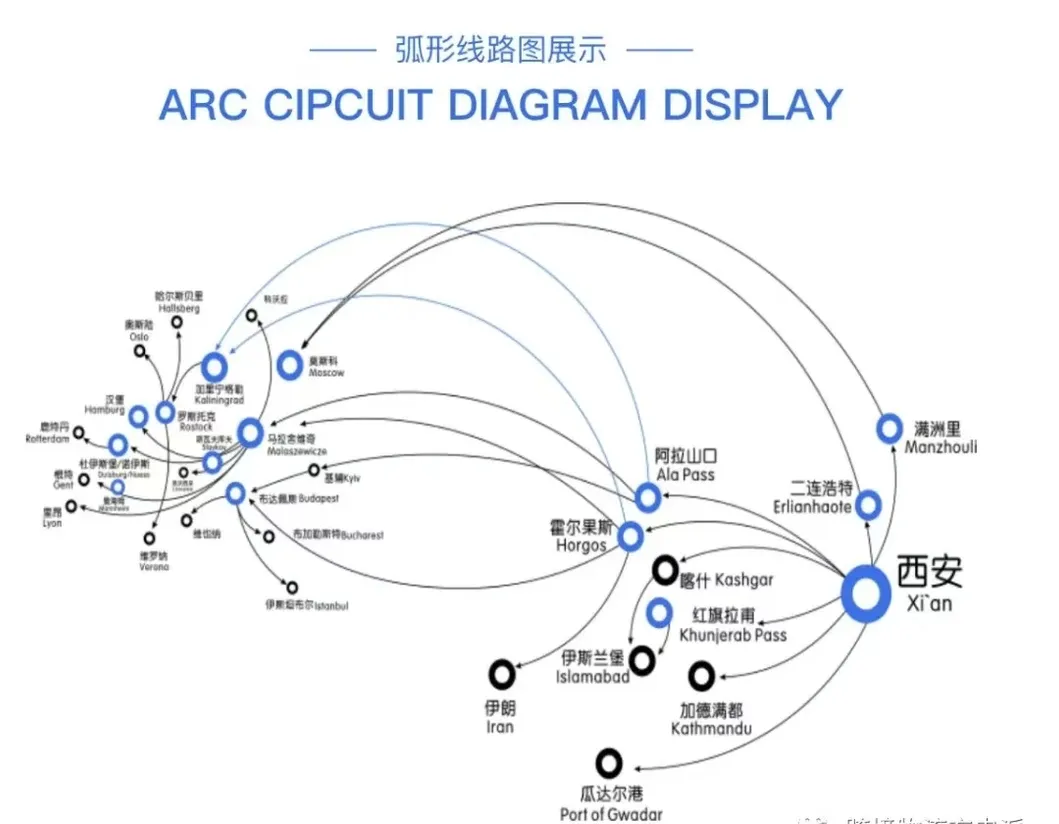
- Western Corridor: Exits via Alashankou or Horgos, traversing Central Asia and Russia with precision.
- Central Corridor: Passes through Erenhot, linking Mongolia and Russia.
- Eastern Corridor: Connects via Manzhouli/Suifenhe into Russia, enhancing trade routes.
- Fixed Schedule: Operates with standardized timetables for reliable, punctual delivery.
📈
Global Reach & Growth
As of June 2025, CRE has operated over 110,000 trains, delivering 11 million TEUs and generating over $420 billion in trade value. The network covers 22 European countries and reaches 60+ destinations across continents.
Competitive Advantages
⚡
Speed: Reduces transit time to 12-18 days (compared to 30-45 days by sea).
💰
Cost-Effectiveness: 1/5 the cost of air freight and 1/4 the time of sea routes.
🌱
Green Logistics: 70% less CO2 emissions than air freight, aligning with carbon neutrality goals.
Economic & Geopolitical Impact
Trade Diversification: A pivotal player in facilitating China-EU bilateral trade, supporting industries from electronics to agriculture.
Supply Chain Resilience: During regional disruptions (2023-2025), the rail network has stood ready to absorb 30% of rerouted containers, stabilizing manufacturing operations.
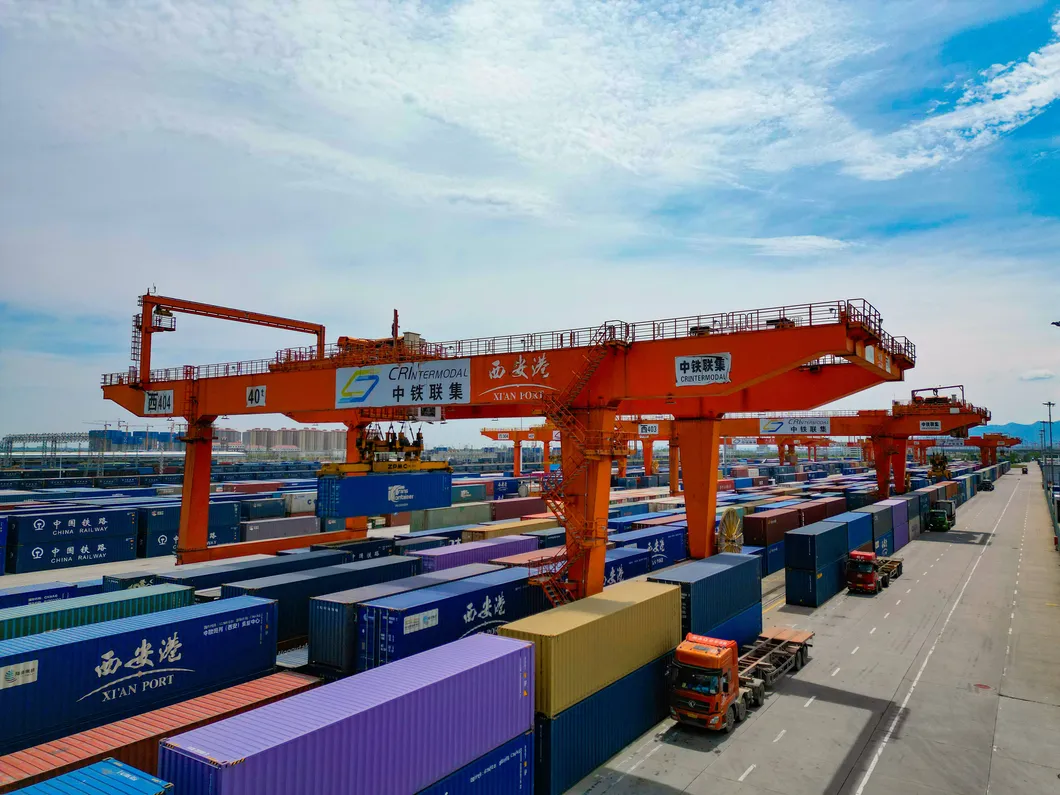
Regional Development: Strategic operations have revitalized key cities, transforming hubs like Xi'an and enhancing Leipzig's status as a major inland port.
Future Vision
CRE embodies "hard connectivity", fostering deeper Eurasian integration. By 2030, plans include expanding to 150+ destinations with innovations such as block trains and rail-air intermodal solutions. This crucial artery challenges traditional maritime monopolies and revolutionizes global logistics.
Frequently Asked Questions
❓ What is the typical transit time for the China-Europe Railway Express?
The standard runtime is dramatically shorter than sea freight, typically ranging from 10 to 18 days depending on the specific corridor and destination.
❓ How do the costs compare with other shipping methods?
Railway transport is highly cost-effective, costing approximately 1/5 of air freight while being about 30% more expensive than traditional sea freight.
❓ What are the three main corridors used by CRE?
The network operates through the Western Corridor (via Kazakhstan), the Central Corridor (via Mongolia), and the Eastern Corridor (via Northeast China into Russia).
❓ Is railway transport more environmentally friendly?
Yes, the China-Europe Railway Express produces approximately 70% fewer CO2 emissions compared to air freight, making it a sustainable choice for global trade.
❓ What types of products are commonly transported via CRE?
Common product categories include New Energy Vehicles (18%), photovoltaic modules, electronics (IT exports), automotive parts, and various agricultural goods.
❓ How many destinations does the CRE network cover?
Currently, it covers 22 European countries and over 60 destinations, with plans to expand to over 150 destinations by the year 2030.
 DSERG Logistics