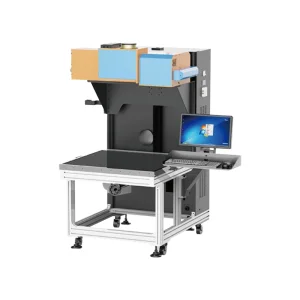
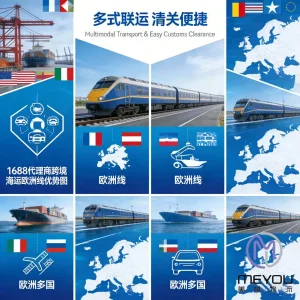
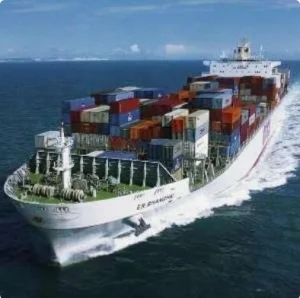
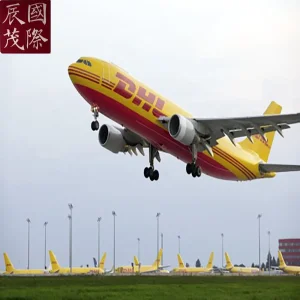
Explore our cutting-edge machinery, specialized transport containers, and high-frequency dedicated line services built for modern trade corridors.
Jinhua DSERG Logistics Co., Ltd. stands as a premier international freight forwarding and supply chain service provider, recognized in the global logistics network as a leading China International Logistics Dedicated Line | Air Freight & Express Shipping Solutions provider. We are strategically positioned to deliver fast, stable, and cost-efficient cross-border logistics solutions tailored for global e-commerce operators, manufacturing exporters, and complex industrial supply chains.
Founded in 2014 in Jinhua, China, DSERG Logistics initially established its footprint by specializing in regional freight consolidation and professional export handling services. Recognizing the rapid evolution of cross-border trade, the company transitioned into dedicated international logistics lanes. By 2018, the company built stable, high-capacity shipping corridors linking manufacturing hubs across China directly to the United States, Europe, the United Kingdom, Australia, and Southeast Asia. Today, DSERG operates an integrated network featuring advanced digital tracking systems, customs clearance compliance networks, and robust last-mile delivery services.
"By deploying API-driven warehousing and deep compliance structures, Jinhua DSERG Logistics Co., Ltd. bridges the gap between China Factory 4.0 automation and final-destination markets. We ensure that transit times are optimized, and shipping costs are managed under complete price transparency."
The commercial link between China's manufacturing clusters and Japan's industrial hubs represents one of the world's highest-density cargo lanes. In an era defined by compressed product life cycles and just-in-time (JIT) manufacturing, reliance on traditional ocean freight can introduce severe vulnerability. Air freight solutions act as the critical shock absorber for high-value machinery, automotive assemblies, microelectronics, and e-commerce commodities.
DSERG Logistics designs bespoke freight programs that address the unique macroeconomic constraints of this trade lane:
Utilizing blocked space agreements (BSAs) with core commercial airlines and charter operators to guarantee capacity during peak seasons, ensuring same-day or next-day customs lodgment in Japan.
Economic consolidation networks operating out of major hubs like Shanghai (PVG), Shenzhen (SZX), and Guangzhou (CAN) that reduce unit costs without sacrificing total transit predictability.
Combining land-bridge trucking from regional factories to deep-water airports with priority air connections, bypassing congested coastal transit corridors to deliver optimal cost-per-kilogram ratios.
Whether handling high-volume consumer goods or highly sensitive precision manufacturing equipment, our logistics designs focus on eliminating supply chain friction points. We manage handling protocols from factory floor pickup to airport apron delivery, optimizing the total cost of ownership (TCO) for global procurement divisions.
Modern Chinese manufacturing has evolved past simple assembly; it represents the vanguard of Factory 4.0. Automated production lines, real-time inventory systems, and predictive maintenance schedules require cargo operators to act with equivalent velocity. In Jinhua, Shenzhen, and Yiwu, our warehouse networks utilize direct API integration into manufacturing execution systems (MES). This integration allows us to schedule dispatch protocols the moment goods pass quality control (QC).
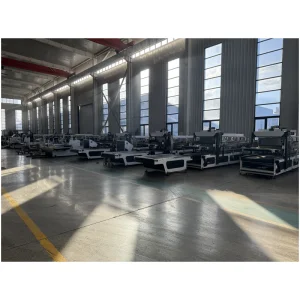
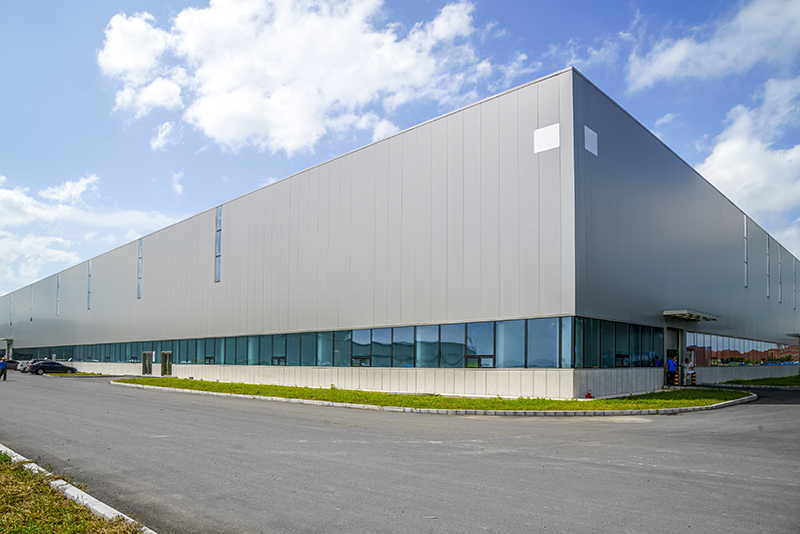
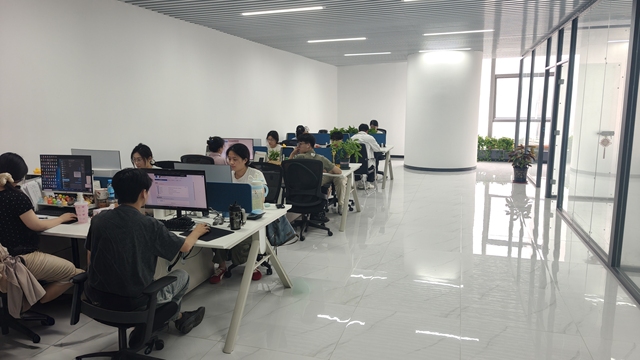
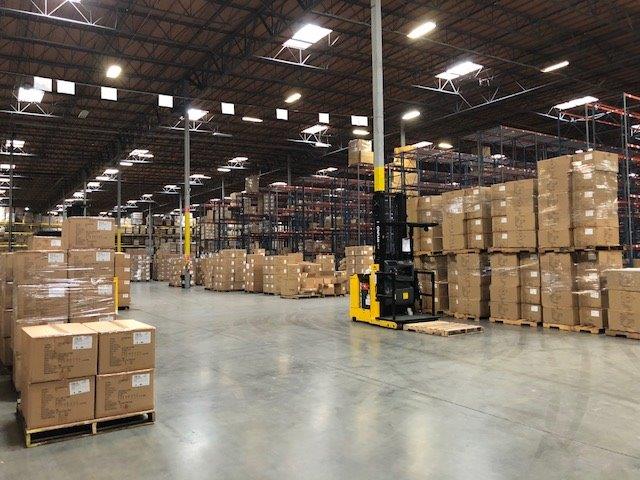
This level of integration is essential for managing the supply chain demands of advanced manufacturing. Below, we showcase our actual operational environments, where automated picking, barcode scanning, and precise cargo staging are managed by our logistics professionals:
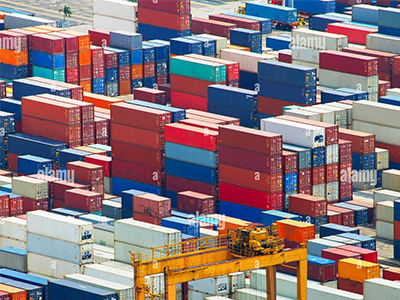
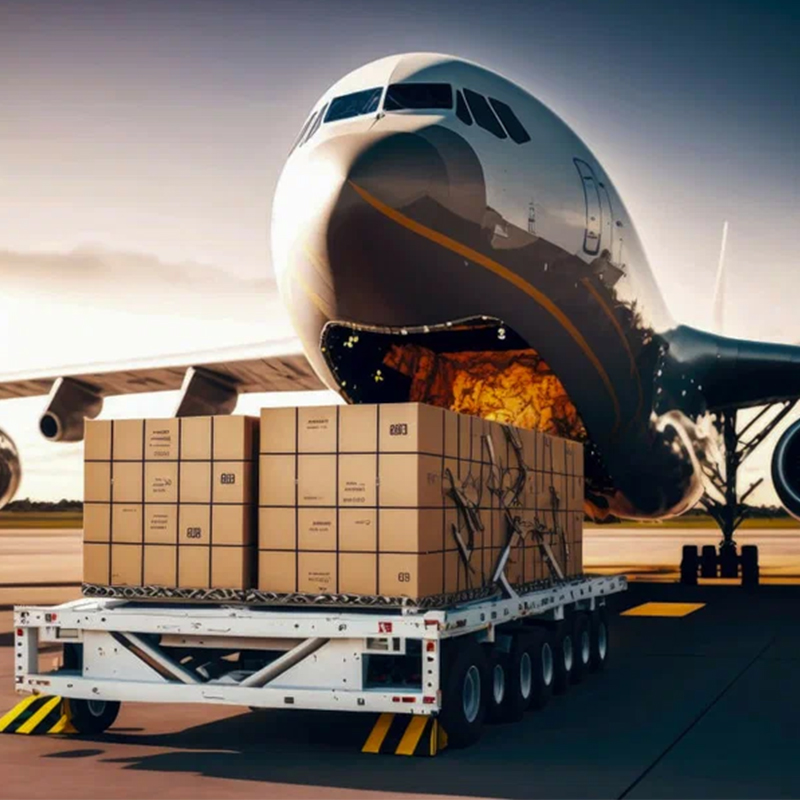
By synchronizing our logistics software directly with the manufacturing schedule, we effectively eliminate "dead storage" time. Our hubs act as dynamic sorting engines rather than static warehouses. For buyers in Japan, North America, and Europe, this translates to reduced lead times, decreased domestic storage costs, and a significantly higher rate of inventory turnover.
International buyers operate under stringent compliance mandates, particularly when purchasing electronic products, battery systems, or highly customized industrial goods. Dangerous Goods (DG) shipping, specifically for lithium-ion batteries, is heavily regulated by the International Air Transport Association (IATA). A single compliance failure can result in cargo seizure, heavy fines, or airline bans.
DSERG Logistics provides specialized services to ensure all procurement demands are met legally and securely:
Our packaging specialists are fully certified to process UN-certified packaging, MSDS declaration checks, and proper hazardous labeling for all lithium batteries (UN3480/UN3481).
For buyers souring from various domestic factories on platforms like Yiwu and 1688, we offer comprehensive regional consolidation, checking item counts, verifying quality, and merging into one clean master airway bill (MAWB).
Ensuring full alignment with international trade sanctions, dual-use technology screening, and export license verifications for global enterprises.

The logistics industry is transitioning toward fully digitized operational systems. Traditional paper-based communication, delayed tracking updates, and manual customs entry procedures are being replaced by automated, real-time data solutions. The future of China-Japan air freight relies heavily on the implementation of advanced technologies designed to maximize supply chain transparency and carbon efficiency.
At DSERG Logistics, we are actively implementing a multi-stage technology roadmap designed to provide next-generation value to our customers:
For high-value microchips, pharmaceuticals, and precision automotive tooling, knowing the GPS location is no longer sufficient. Our next-generation containers utilize smart IoT sensors that stream temperature, relative humidity, shock impact, and pressure metrics via low-power satellite communication. If a temperature fluctuation occurs inside a container at an airport hangar, the system triggers an automated alert, allowing ground crews to take immediate corrective action.
Utilizing machine learning models that analyze historical airport congestion, weather pattern trends, customs processing delays, and airline schedules, we can predict delays before they occur. This predictive capability allows us to route cargo around weather events or congested hubs, ensuring a highly reliable delivery window.
To prevent tampering and eliminate administrative delays, we utilize electronic Air Waybills (e-AWBs) stored on secure distributed ledgers. This guarantees that commercial invoices, packaging lists, and certificates of origin remain immutable and are immediately accessible by customs officials in Tokyo, Osaka, or Shanghai prior to the flight's landing.
Navigating the regulatory landscape of Japan Customs is one of the biggest hurdles for overseas exporters. Japan's strict adherence to import documentation, evaluation of import declarations, and tax rules requires deep local expertise.
DSERG Logistics provides comprehensive localized support to manage compliance, protecting our clients from customs delays and penalties:
Non-resident companies exporting to Japan cannot act as the Importer of Record (IOR) directly. DSERG provides an established ACP network in Japan. We handle the technical representations to Japan Customs, allowing foreign entities to legally clear customs and store goods in Japan without establishing a domestic subsidiary.
With the implementation of the qualified invoice system in Japan, JCT compliance is essential for B2B transactions. Our customs brokers ensure that import declarations accurately calculate the 10% consumption tax, providing qualified invoices that enable Japanese B2B buyers to claim input tax credits with ease.
Depending on the final delivery location, we route cargo through Tokyo (NRT/HND) or Osaka (KIX). This routing strategy ensures localized ground support and fast connection to major domestic courier services like Sagawa Express and Yamato Transport.
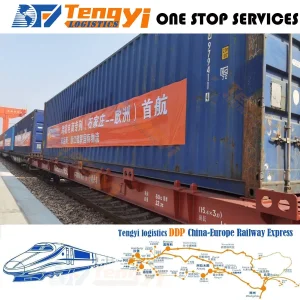
Explore our industrial manufacturing machinery, railway logistics services, and automated production components designed to keep your factories running at scale.
 DSERG Logistics