The bilateral trade corridor between China and New Zealand constitutes one of the most critical arterial pipelines in the Southern Hemisphere. Enabled by the landmark China-New Zealand Free Trade Agreement (upgrade protocol signed in 2022), bilateral trade has transcended raw commodity exchanges to encompass high-precision industrial machinery, custom-manufactured consumer goods, agricultural hardware, and fast-moving e-commerce sectors.
However, navigating this route requires more than simple booking agency services. It demands a systemic integration of manufacturing lead times, maritime and aviation capacity allocations, dynamic transshipment matrices, and strict compliance architectures. The operational challenges—ranging from Auckland's port decongestion policies to the rigorous bio-security screening enforced by New Zealand's Ministry for Primary Industries (MPI)—render typical freight forwarding models insufficient. Achieving a resilient, cost-effective supply chain requires a deep understanding of cargo consolidation, custom clearance protocol, and destination-specific warehousing.
Founded in 2014 in the industrial and e-commerce cluster of Jinhua, China, DSERG Logistics began as a localized freight consolidation specialist. Recognizing the structural changes in global procurement and supply chain dynamics, we expanded into dedicated international logistics lanes. By 2018, DSERG had successfully established and stabilized high-frequency shipping routes linking major Chinese production hubs directly to New Zealand, Australia, Europe, the United Kingdom, the United States, and Southeast Asia. Today, we operate as an integrated end-to-end logistics architect, matching high-efficiency consolidation with robust customs compliance and domestic distribution networks.
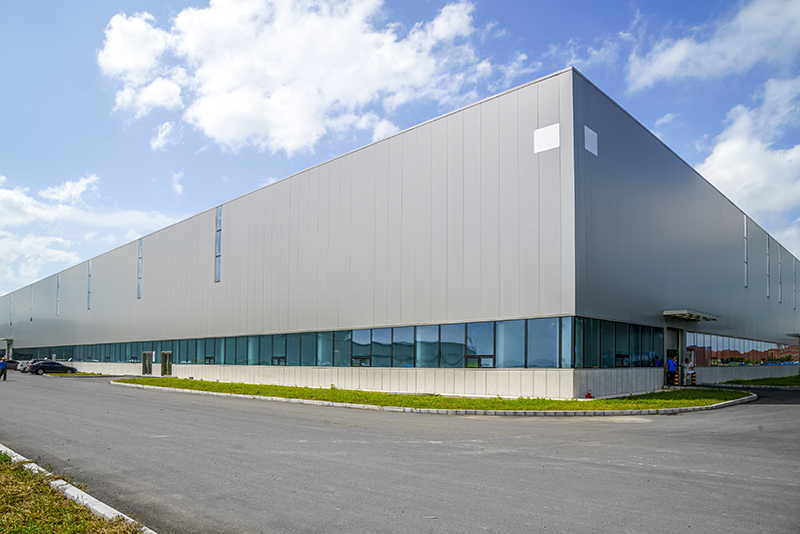
Optimizing the supply chain requires custom approaches that align with the specific infrastructure, demographics, and regulatory frameworks of New Zealand.
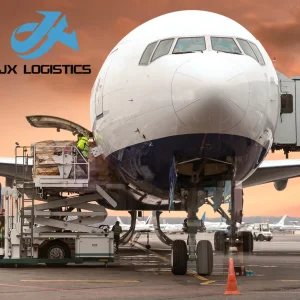
With the rapid growth of platforms like TradeMe and Amazon Australia/NZ, cross-border e-commerce sellers rely heavily on rapid injection models. DSERG provides direct consolidation from our Yiwu/Jinhua warehouses, offering integrated air freight into Auckland, Christchurch, and Wellington. By handling both import declarations and last-mile carrier handovers locally (with CourierPost and Aramex), we minimize transit times down to a predictable 5 to 7 days, even during peak sales seasons.
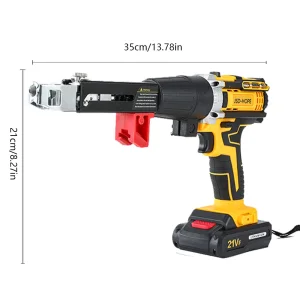
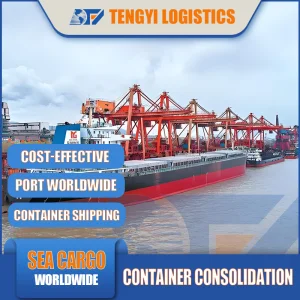
New Zealand’s construction and agricultural sectors require heavy imports, from structural steel to automated manufacturing lines. DSERG facilitates specialized Flat Rack, Open Top, and standard FCL (Full Container Load) logistics. Our operations manage overweight container compliance, localized transport permits, and route planning from the Port of Tauranga to regional infrastructure sites, ensuring that bulky industrial machinery avoids costly delays or regulatory fines.
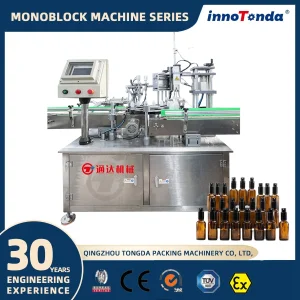
The beverage and cosmetics industries in New Zealand import high volumes of packaging components, such as high-grade glass bottles, caps, and labels. These products demand immaculate transport conditions to prevent contamination or moisture damage during transit across varying climates. DSERG utilizes specialized dry-van container configurations and moisture-barrier packaging techniques to protect sensitive cargo from port of origin to final factory destination.
An essential element of localizing operations in New Zealand is managing geographic isolation. The country's primary demographic centers are divided by the Cook Strait, requiring multi-modal domestic logistics. When shipping to South Island destinations like Lyttelton or Dunedin, we optimize the choice between direct ocean routing and transshipment via Auckland or Tauranga, paired with coastal shipping or rail connections. This systematic optimization ensures that businesses minimize total transit times and cargo handling risks.
Furthermore, local regulatory frameworks require strict adherence to biosecurity laws. The New Zealand Ministry for Primary Industries (MPI) exercises broad authority to quarantine or reject shipments that do not meet cleanliness and biosecurity criteria. DSERG addresses these challenges at the point of origin by conducting pre-shipment inspections, securing appropriate wood packaging declarations (ISPM 15 compliance), and managing mandatory seasonal treatments, such as Heat Treatment or Sulfuryl Fluoride fumigation to prevent Brown Marmorated Stink Bug (BMSB) infestations.
China remains the global benchmark for manufacturing depth, industrial clusters, and supply chain resilience. In regions like Jinhua and Yiwu, the concentration of materials, manufacturing equipment, and skilled labor creates a highly responsive ecosystem. However, realizing the value of this ecosystem requires structured consolidation.
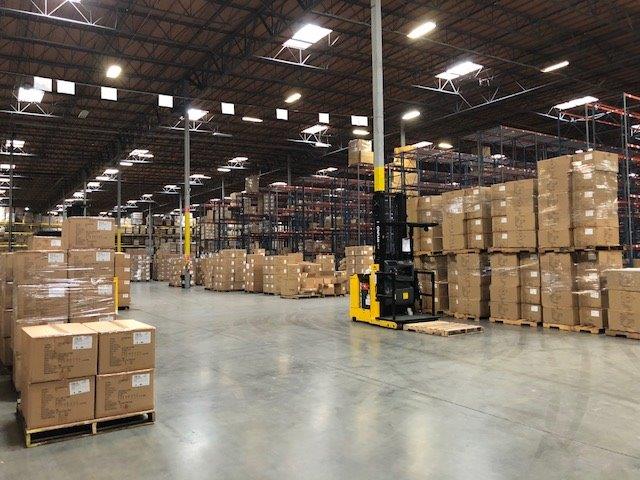
Without strategic warehousing and cargo coordination, importing from multiple factories leads to fragmented shipments, duplicate customs documentation, and high port charges. DSERG addresses this by operating consolidated warehouse hubs in key manufacturing centers. We act as a single gateway, gathering goods from various suppliers, performing quality checks, repackaging as needed, and consolidating them into full containers (FCL) or structured LCL shipments.
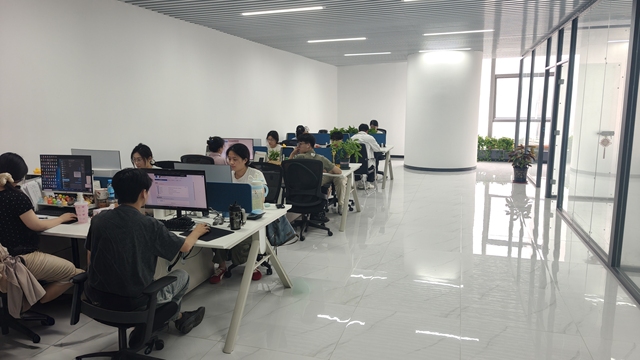
Modern logistics relies on data visibility and predictive planning. DSERG's technical roadmap focuses on digital integration to build a transparent, responsive supply chain.
Traditional container tracking often relies on milestone updates (e.g., "vessel departed" or "container discharged"). DSERG is transitioning toward sensor-based tracking. By deploying IoT-enabled telematics devices within high-value or temperature-sensitive containers, we provide real-time updates on geolocation, internal temperature, relative humidity, and physical shock. This data allows for proactive interventions if transit conditions deviate from requirements.
Global shipping markets are subject to sudden shifts in carrier capacity, weather disruptions, and port congestion. DSERG utilizes predictive routing algorithms to analyze historical vessel performance, terminal wait times, and weather trends. This system suggests optimal routes—such as transshipping via alternative ports during periods of peak congestion in Singapore or Sydney—ensuring consistent transit times.
Importers in New Zealand are increasingly focusing on environmental sustainability and scope 3 emissions reporting. DSERG’s technical roadmap includes tools to calculate and optimize carbon emissions per TEU. By choosing energy-efficient maritime carriers, incorporating biofuel transport options, and maximizing vehicle payload utilization in last-mile delivery, we assist clients in reducing the environmental impact of their supply chains.
Compliance is a critical pillar of supply chain reliability. Minor documentation errors or inspection oversights can lead to storage fees, quarantine delays, or cargo rejections.
Importing into New Zealand requires navigating several key regulatory requirements:
To address these compliance requirements, DSERG maintains a dedicated customs clearance division. We review shipping documentation—including Commercial Invoices, Packing Lists, Certificates of Origin, and treatment declarations—before cargo leaves the factory. This proactive approach helps identify and correct errors early, preventing delays at the destination terminal.

Key operational questions answered by our logistics engineering team to assist in planning your import/export strategy.
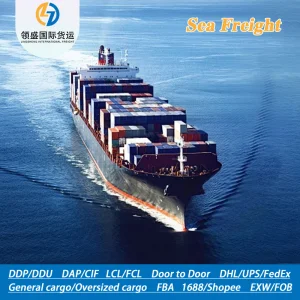
For sea freight, direct routings from primary ports like Shanghai, Ningbo, or Shenzhen to Auckland typically range between 14 to 22 days, depending on the carrier and port rotation. Transshipment routes via ports like Singapore can extend transit times to 25–35 days. For air freight, direct routes take 3 to 5 days, while deferred air options can take 7 to 10 days, depending on consolidations.
DSERG coordinates pre-shipment biosecurity checks at our consolidation warehouses. During the BMSB season (September 1 to April 30), we route target cargo categories through approved treatment providers at the port of origin for certified heat treatment or fumigation. All certifications are verified and pre-filed with New Zealand Customs and MPI to facilitate prompt biosecurity clearance upon arrival.
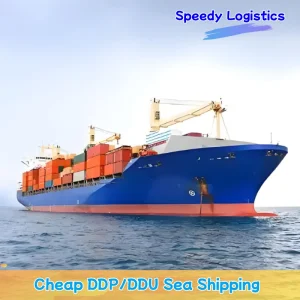
Under DDP (Delivered Duty Paid) terms, DSERG manages the end-to-end import process, including all freight, destination port charges, import customs clearance, duties, and New Zealand GST, delivering directly to the consignee's address. Under DDU (Delivered Duty Unpaid) terms, the buyer is responsible for paying import duties and GST upon arrival at destination customs before the cargo is released for final delivery.
Yes. We operate consolidation hubs in major industrial regions, including Jinhua and Yiwu. We gather shipments from various suppliers, verify item counts and packaging integrity, and consolidate them into a single FCL (Full Container Load) or structured LCL (Less than Container Load) shipment. This process reduces documentation costs, port handling fees, and custom declaration overhead.
Maritime transport involves exposure to humidity fluctuations, motion, and container handling. We advise using heavy-duty, double-walled corrugated cartons, secure plastic strapping, and stretch wrapping on ISPM 15 heat-treated pallets. For moisture-sensitive goods, we recommend container desiccants and moisture-barrier vapor bags to prevent condensation issues inside the container.
Duties are calculated based on the Free on Board (FOB) value of the goods, applying rates specific to the harmonized tariff classification (HS code). Under the China-NZ Free Trade Agreement, many goods qualify for preferential zero-duty rates when accompanied by a valid Certificate of Origin. New Zealand's 15% GST is then calculated on the cumulative sum of the customs value, applicable duties, international freight costs, and insurance.
 DSERG Logistics