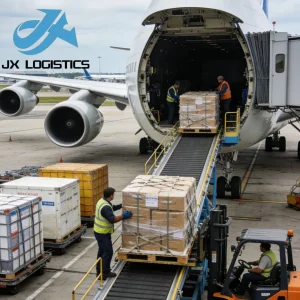
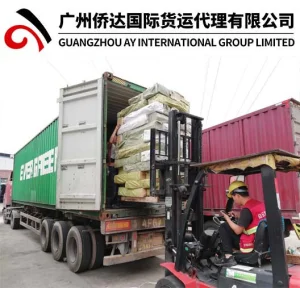
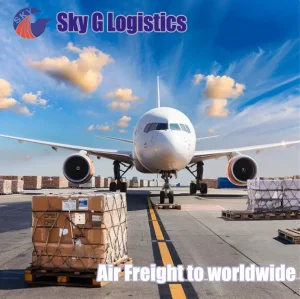
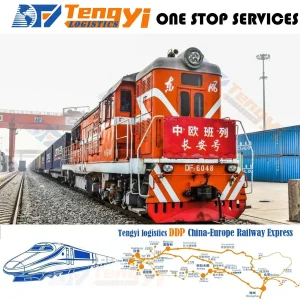
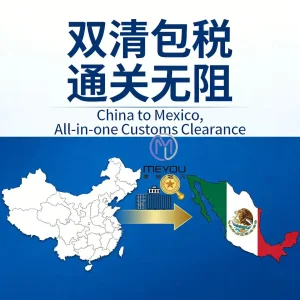
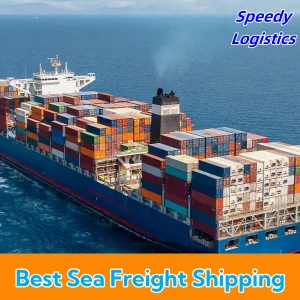
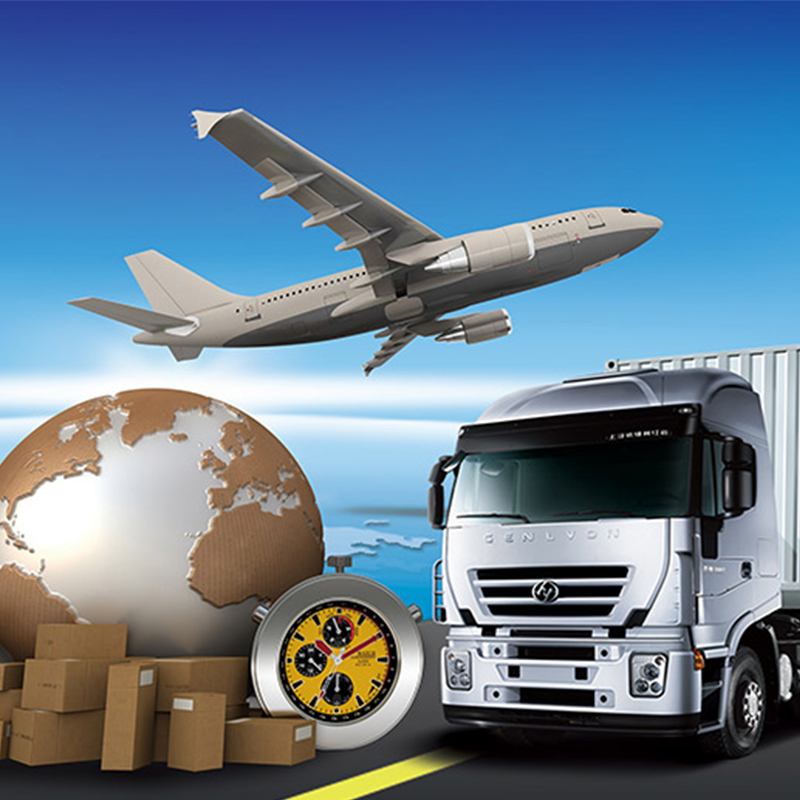
Jinhua DSERG Logistics Co., Ltd. is a professional international freight forwarding and supply chain service provider, positioned as a China International Logistics Dedicated Line | Air Freight & Express Shipping Solutions provider. The company is committed to delivering fast, stable, and cost-efficient cross-border logistics services for global e-commerce, manufacturing exporters, and trading companies.
Founded in 2014 in Jinhua, China, DSERG Logistics initially focused on regional freight consolidation and export handling services. With the rapid growth of global e-commerce and cross-border trade, the company expanded into dedicated international logistics lanes covering air freight, express delivery, and multimodal transport solutions. By 2018, DSERG had established stable shipping routes connecting China with Europe, the United States, the UK, Australia, and Southeast Asia.
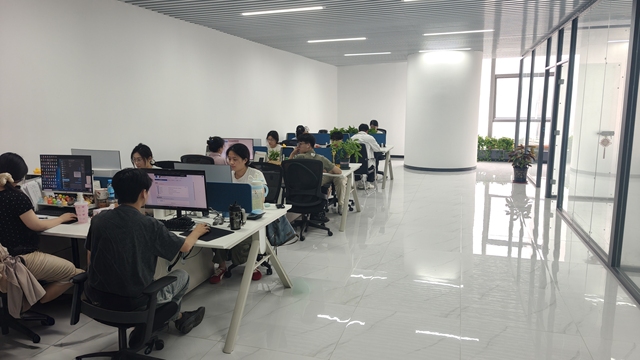
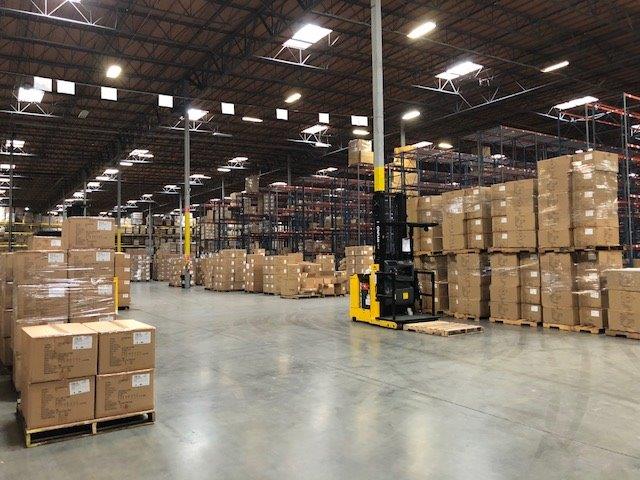
Today, the company operates a comprehensive logistics network integrating customs clearance, warehousing, cargo consolidation, and last-mile delivery. With advanced tracking systems and optimized route planning, DSERG ensures high efficiency, transparency, and reliability throughout the shipping process.
Jinhua DSERG Logistics Co., Ltd. continues to serve clients across manufacturing, retail, and e-commerce industries worldwide. With a strong focus on speed, security, and service quality, the company is dedicated to building efficient international logistics dedicated lines and supporting seamless global trade connectivity.
The geopolitical and economic integration of Southeast Asia, catalyzed by the Regional Comprehensive Economic Partnership (RCEP), has positioned the China-Philippines trade corridor as one of the most dynamic logistics channels in the world. As global enterprises look to diversify their assembly lines, import heavy machinery, and feed the growing consumer demand in Metro Manila, Davao, and Cebu, the necessity for robust, compliant, and highly structured delivery services has never been higher. This document acts as an industry blueprint for understanding, optimizing, and executing seamless logistics between Chinese manufacturing bases and Philippine markets.
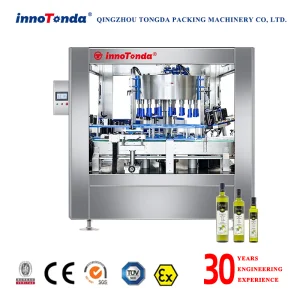
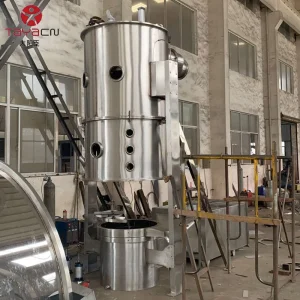
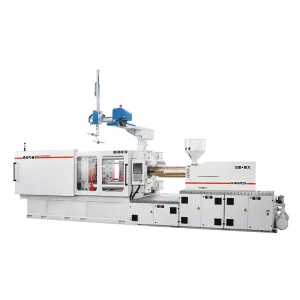
China's industrial zones offer unparalleled advantages in manufacturing and assembly. Regions such as Zhejiang (specifically Jinhua and Yiwu) and Guangdong (Shenzhen, Guangzhou) act as global anchors for both light consumer products and heavy industrial systems. This massive output includes machinery line equipment like the Automatic High-Speed Round Bottle Labeling Machine, fluid bed systems like the FL-200 Pharmaceutical Machinery, and plastic manufacturing essentials like the Hj/360ba High Speed Injection Molding Production Line.
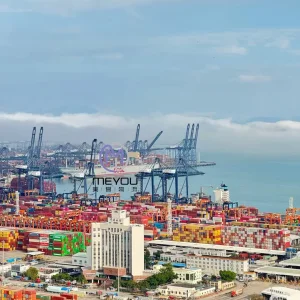
By routing these systems through consolidation hubs in Shenzhen and Jinhua, exporters can group highly diverse components—such as structural materials for Steel Structure Cold Storage Solutions—with standard electronics. This integration reduces transit preparation times by up to 30%, giving buyers in the Philippines the exact technical equipment they need without multiple separate supplier shipping fees.
Using a centralized warehouse in Yiwu or Shenzhen allows international buyers to merge standard e-commerce dropshipping goods, industrial machinery, and raw raw materials into singular FCL (Full Container Load) shipments, dramatically reducing per-unit shipping fees and simplifying custom declarations.
Navigating the Bureau of Customs (BOC) in the Philippines is historically one of the most complex parts of South-East Asian trade. Strict import licensing, product registration (FDA certifications for pharmaceutical equipment like the FL-200 Fluid Bed Line), and valuation checks present major bottlenecks for unprepared importers. Working with an experienced delivery partner like Jinhua DSERG Logistics ensures that your operations adhere to localized compliance protocols:
Global procurement teams prioritize security of supply, predictability, and asset protection. Shipping high-value items, such as large scale injection molding systems or automated manufacturing lines, requires a logistics provider that does more than move boxes. It demands physical engineering capabilities—understanding weight distribution, seaworthy vacuum packing, moisture prevention, and reliable flat-rack container solutions.
For cross-border e-commerce networks, the challenges are different but equally complex. Large platforms require micro-consolidation, reliable sorting, and automated tracking integrations that sync directly with local systems like LBC, J&T Express, or NinjaVan in the Philippines. Bridging the gap between major Chinese manufacturing corridors and localized last-mile networks is essential for maintaining supply chain agility.
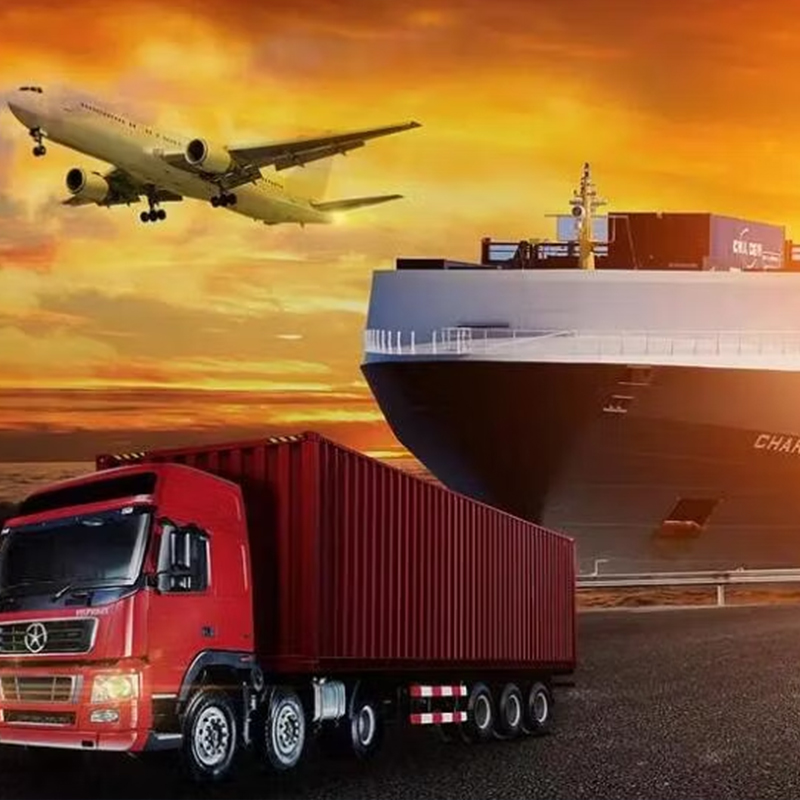
Real-time machine learning algorithms now dynamic-route shipments based on changing weather, port congestion indexes at Manila South Harbor, and container availability, avoiding costly demurrage fees.
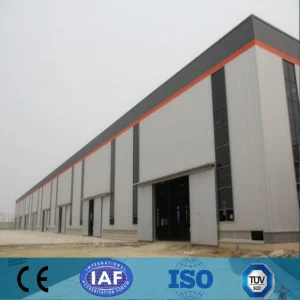
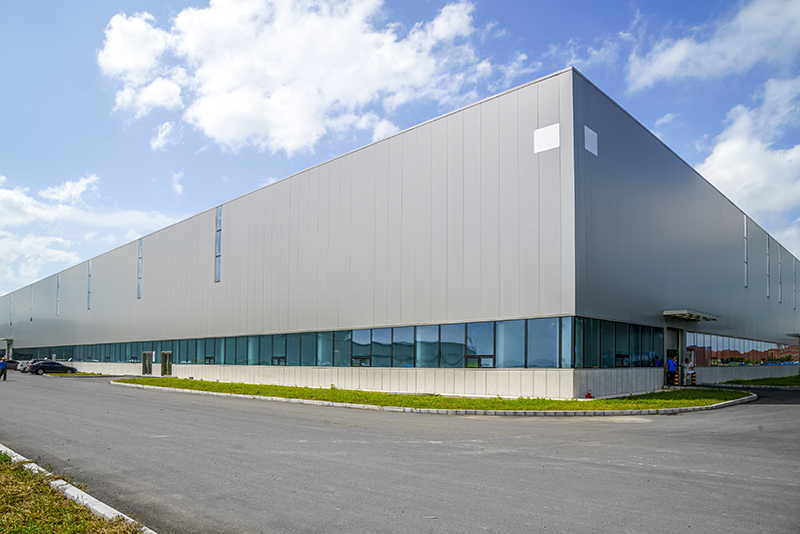
As temperature-sensitive cargo exports grow, structural cold storage integrations (like modern insulated steel structural facilities) have become critical elements of regional warehousing assets.
Reducing carbon footprints in ocean cargo shipping, optimizing load capacities, and transitioning to green-energy transport modes align with global corporate ESG policies.
To demonstrate the utility of these systems, we look at three actual logistics setups commonly deployed inside the trade channel:
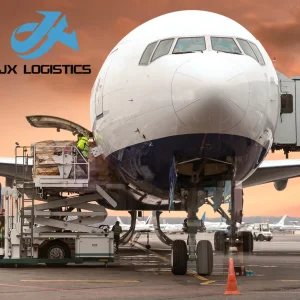
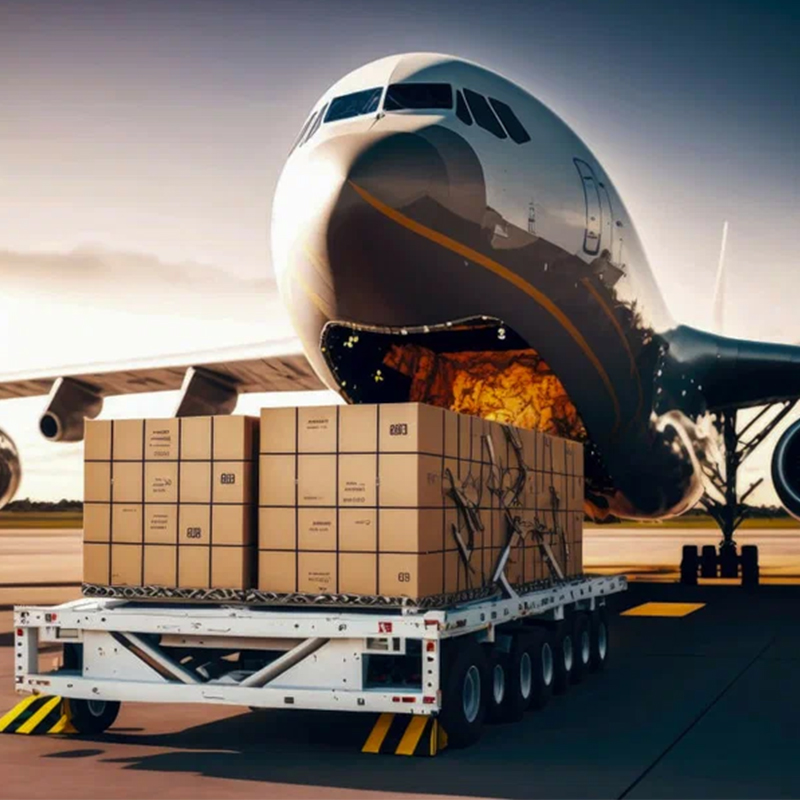
A Philippine retailer dropships items directly sourced from Yiwu. By routing packages via a dedicated express air line from Guangzhou to Manila, parcel clearance occurs in bulk. Orders are integrated into local 3PL couriers, cutting transit times down to just 3 to 5 working days from vendor to consumer.
An agricultural processor in Batangas orders a heavy *Automatic Rotary Labeling Machine* alongside an *Injection Molding Line*. These require specialized sea shipping with custom wooden crating, moisture barriers, and standard crane loading. The logistics provider manages the export clearance in Shenzhen, container shipping to Manila South, transit to Batangas, and final unpacking at the factory site.
A regional cold storage warehouse in Davao imports structured steel panels from China. The sheer weight and dimension require FCL open-top container configurations. Sea freight agents handle port-to-port clearance, utilizing customs bonds to defer VAT payments during transport to PEZA-registered locations.

 DSERG Logistics