 DSERG Logistics
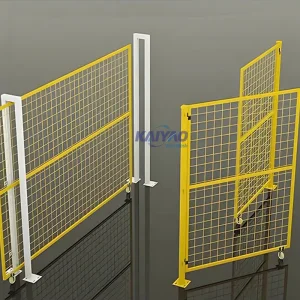
These eight lines mirror the exact procurement patterns we see from Czech and Central European buyers: industrial hardware, building materials, electrical components and managed freight. Every item below can be bundled with a DDP or DAP door-to-door program into the Czech Republic, including customs clearance and last-mile delivery.
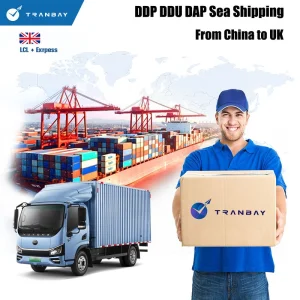
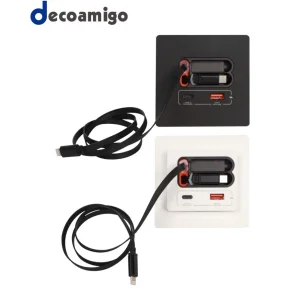
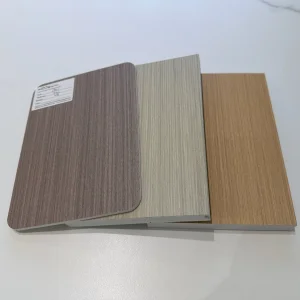
This is not a single-keyword query. It is a three-layer commercial intent: a buyer wants an OEM-manufactured product, delivered into the Czech Republic, under a logistics model that removes customs friction. Optimising for it requires answering all three layers in one place — sourcing capability, destination expertise and shipment execution.
Buyers searching "Czech Republic" are typically planning inland-European distribution. They need to know which seaport gateway feeds Czech warehouses, how long rail and road transfer takes, and how Czech VAT and EORI registration interact with DDP terms.
Searchers adding "Custom OEM" want specification flexibility: private labelling, custom dimensions, voltage and plug variants for the EU, packaging in Czech or German, and pre-shipment quality inspection rather than off-the-shelf stock.
"Shipping solutions" signals a managed outcome rather than a freight rate: booking, consolidation, export declaration, EU import clearance, duty and VAT handling, and a delivery appointment at a Czech address with proof of delivery.
The information gain here comes from joining these layers with real numbers: corridors, transit windows, document stacks and exception handling. A page that only lists freight rates answers one third of the query. A page that explains how an OEM product physically reaches a Czech loading dock, and what can go wrong en route, answers the full decision set and earns the click from procurement teams rather than price-shoppers.
The Czech Republic shares borders with Germany, Poland, Slovakia and Austria, holds a population of roughly 10.8 million and sits inside both the EU single market and the Schengen area. It is one of Europe's most industrialised economies per capita, and that shapes what arrives, in what volumes, and on what schedule.
No ocean container is discharged in the Czech Republic — the country has no seacoast. Every sea shipment therefore follows a two-stage model: a deep-sea leg to a European port, followed by an inland leg by rail or truck. Understanding this split is the single most useful piece of knowledge a buyer can hold, because the inland leg is where most schedule variance and cost surprises originate.
On a 35–45 day sea transit, the ocean leg is predictable to within a few days. The inland transfer, by contrast, is exposed to terminal congestion, rail slot allocation, weekend driving restrictions in Germany and Austria, and Czech delivery-window constraints. A well-designed solution therefore builds in a buffer at the port side — either a bonded or free-zone cross-dock near Hamburg, or a Czech customs warehouse operated under local procedure — so the customer-facing delivery date stays stable even when the upstream schedule moves.
For OEM consignments with fixed installation dates — steel structure workshops, powder coating lines, poultry feeding systems — this buffering is not a luxury. It is the difference between a project that commissions on schedule and one that accrues demurrage, storage and penalty costs.
The Czech Republic is not a generic destination. It has a distinctive industrial fingerprint, and each segment creates a different logistics requirement — from just-in-time automotive components to project cargo for construction.
Mladá Boleslav, Kolín and Nošovice anchor a dense vehicle and tier-one supplier base that runs on JIT and JIS rhythms. Shipments must respect kanban cycles and sequenced delivery windows; EPDM refrigerant lines, insulation and metal hardware are typical OEM categories where tolerance for late arrival is close to zero.
Steel structure workshops, automatic powder coating lines and switchgear cabinets move as out-of-gauge or heavy-lift project cargo. These require flat racks, breakbulk options, lifting plans and pre-agreed delivery slots at Czech industrial parks, often with on-site unloading supervision.
PVC foam boards, laminated panels and workshop fencing feed Czech construction, kitchen and retail fit-out projects. Volume-based LCL programs with pallet-standardised packaging keep per-unit inland cost low while protecting edges and finishes during multi-handling.
USB smart wall panels, charging modules and electrical accessories must satisfy CE marking, EMC and Low Voltage Directive obligations before they can legally be placed on the Czech market. Compliance paperwork travels with the cargo, not after it.
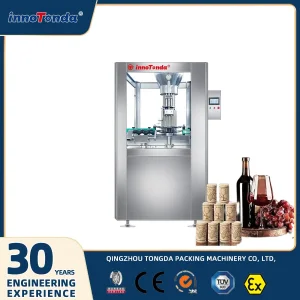
Semi-automatic corking machines and bottling accessories serve Czech and Moravian wineries and small beverage producers. Food-contact materials, hygiene design and 230 V compatibility are the decisive specification points, alongside spare-part availability.
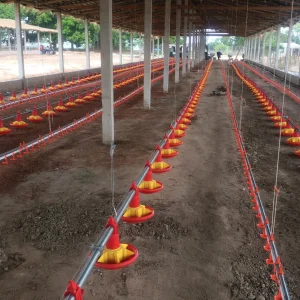
Automatic feeding and drinking lines for poultry farms require veterinary and plant-health documentation, plus installation support. Shipments are planned around the agricultural calendar rather than the retail calendar, which changes the whole scheduling model.
Building a durable China-to-Czech shipping program is a staged engineering exercise, not a one-off booking. The roadmap below is the model we apply when a buyer moves from ad-hoc shipments to a governed supply chain.
HS-code classification, EORI registration, CE technical file verification, Incoterms 2020 model selection (DDP vs DAP vs FOB), and a landed-cost baseline that includes duty, Czech VAT at 21% and inland handling.
Carrier and rail-slot tendering, FCL/LCL split modelling, selection of a primary and secondary seaport gateway, and set-up of port-side cross-docking or a Czech customs warehouse to absorb schedule noise.
API and EDI connections for booking, milestone tracking and predictive ETA; document automation for invoices, packing lists and declarations; emissions accounting aligned to the GLEC framework for Scope 3 reporting.
Dual-corridor sourcing, pre-positioned buffer stock, recyclable packaging compliant with EU rules, and alternative-fuel or rail-priority options for customers with hard decarbonisation targets.
Jinhua DSERG Logistics Co., Ltd. operates from one of China's densest manufacturing and export clusters. That location is not incidental — it determines how quickly a custom OEM order can be prototyped, produced, consolidated and handed to a carrier.
Figures describe internal operating benchmarks for managed OEM programs and are presented as illustrative performance indicators, not contractual guarantees.
Three macro forces are reshaping how European buyers source from China in 2025 and beyond. First, supply-chain diversification — often described as "China plus one" — has not reduced Chinese sourcing; it has made it more selective, with buyers consolidating volume into fewer, better-instrumented suppliers. Second, freight markets have become structurally volatile: Red Sea routing diversions, port congestion cycles and abrupt capacity swings make the difference between a fixed-rate contract and a floating spot booking a material P&L issue. Third, regulatory density inside the EU has risen sharply, so the compliance content of a shipment now carries as much commercial risk as the cargo itself.
In this environment the Czech Republic remains an attractive destination. Its industrial base is export-oriented and technically demanding, its position inside the single market allows onward distribution to Germany, Austria, Slovakia and Poland from a single customs entry point, and its logistics infrastructure — Prague, Brno, Ostrava, Pardubice — is mature. What has changed is the expectation placed on suppliers: a competitive quotation must now include a compliance plan, a documentary checklist and an exception protocol, not just a per-container rate.
For electronics, machinery and consumer goods, the winners are those who combine Chinese manufacturing flexibility with European regulatory literacy. That combination is precisely what a "custom OEM Czech Republic shipping solutions factory and supplier" is expected to provide — and it is the standard against which this page should be evaluated.
Compliance is not paperwork appended to a shipment; it is a design constraint that starts at the factory quotation stage. The checklist below covers the obligations most frequently triggered by China-to-Czech OEM shipments.
EORI number for the importer of record, Czech VAT registration at the standard 21% rate where applicable, IOSS registration for B2C consignments valued at €150 or less, and correct declaration of the customs value including freight and insurance components under DDP.
CE marking with an EU Declaration of Conformity, technical file retention, and — under Regulation (EU) 2019/1020 — an EU-established economic operator responsible for market surveillance. GPSR obligations now extend to traceability and incident reporting.
WEEE producer registration for electrical equipment, RoHS and REACH conformity, packaging EPR registration in the Czech system, and alignment with the incoming packaging and packaging waste regulation on recyclability and recycled content.
ISPM 15 heat-treated pallets for wood packaging, food-contact declarations for beverage equipment, veterinary and plant-health certificates routed through TRACES for agricultural machinery, and dangerous-goods classification where lithium batteries or aerosols are involved.
Bilingual documentation in Czech, German or English; named coordinators reachable in European working hours; pre-agreed escalation paths with customs brokers at Hamburg, Gdańsk and Koper; and delivery appointments synchronised with Czech site opening hours.
If a consignment is held at customs, the process is defined in advance: document sourcing within 24 hours, broker escalation, duty-vs-VAT separation, storage-cost containment, and a written root-cause summary after release so the same issue does not recur.
Jinhua DSERG Logistics Co., Ltd. is a professional international freight forwarding and supply chain service provider, positioned as a China International Logistics Dedicated Line | Air Freight & Express Shipping Solutions provider. The company is committed to delivering fast, stable, and cost-efficient cross-border logistics services for global e-commerce, manufacturing exporters, and trading companies.
Founded in 2014 in Jinhua, China, DSERG Logistics initially focused on regional freight consolidation and export handling services. With the rapid growth of global e-commerce and cross-border trade, the company expanded into dedicated international logistics lanes covering air freight, express delivery, and multimodal transport solutions. By 2018, DSERG had established stable shipping routes connecting China with Europe, the United States, the UK, Australia, and Southeast Asia.
Today, the company operates a comprehensive logistics network integrating customs clearance, warehousing, cargo consolidation, and last-mile delivery. With advanced tracking systems and optimized route planning, DSERG ensures high efficiency, transparency, and reliability throughout the shipping process.
Jinhua DSERG Logistics Co., Ltd. continues to serve clients across manufacturing, retail, and e-commerce industries worldwide. With a strong focus on speed, security, and service quality, the company is dedicated to building efficient international logistics dedicated lines and supporting seamless global trade connectivity.
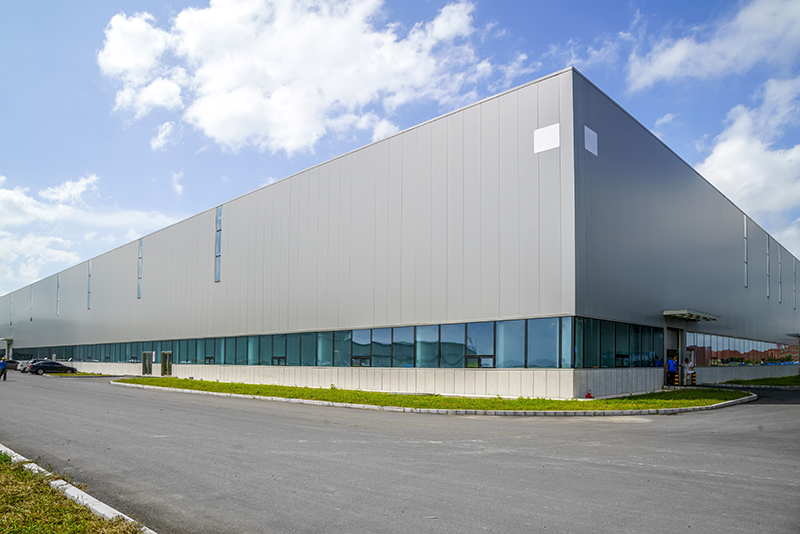
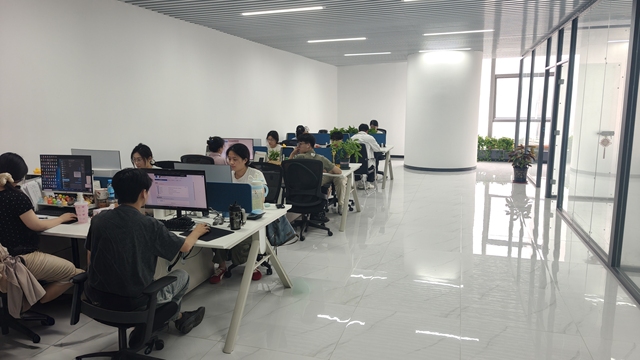
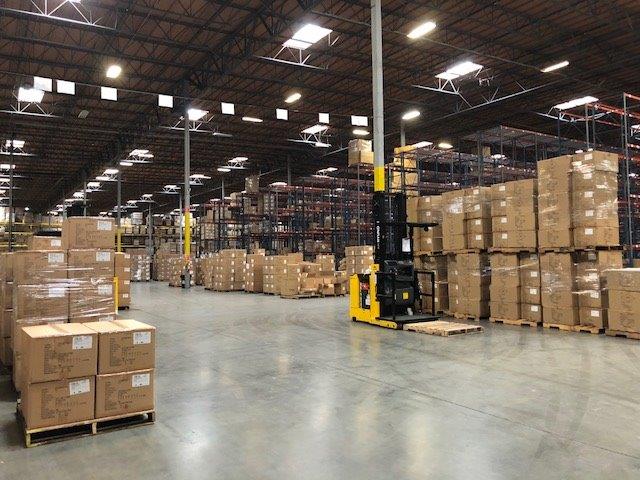
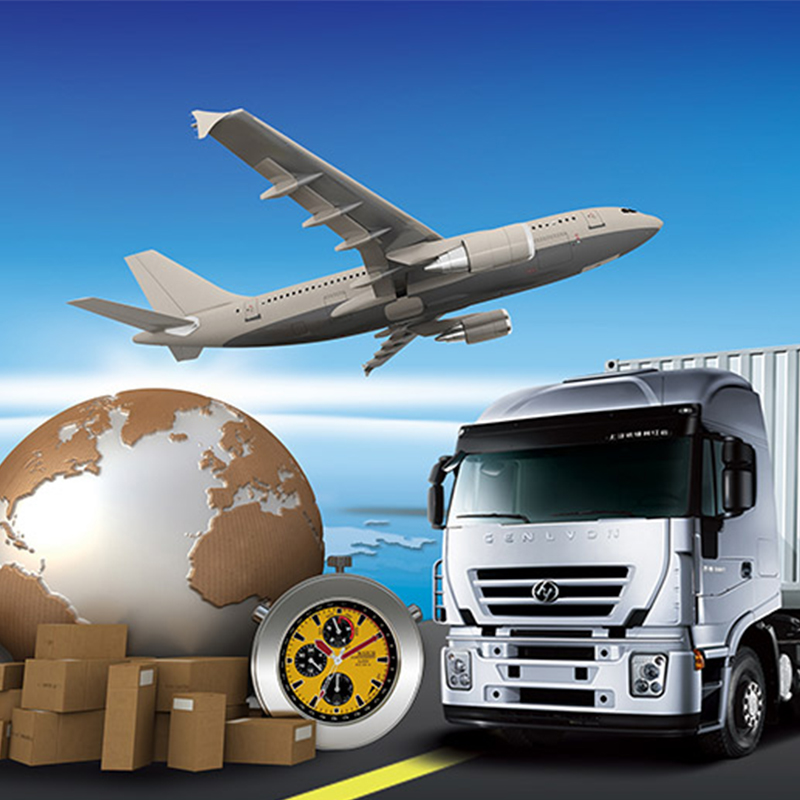
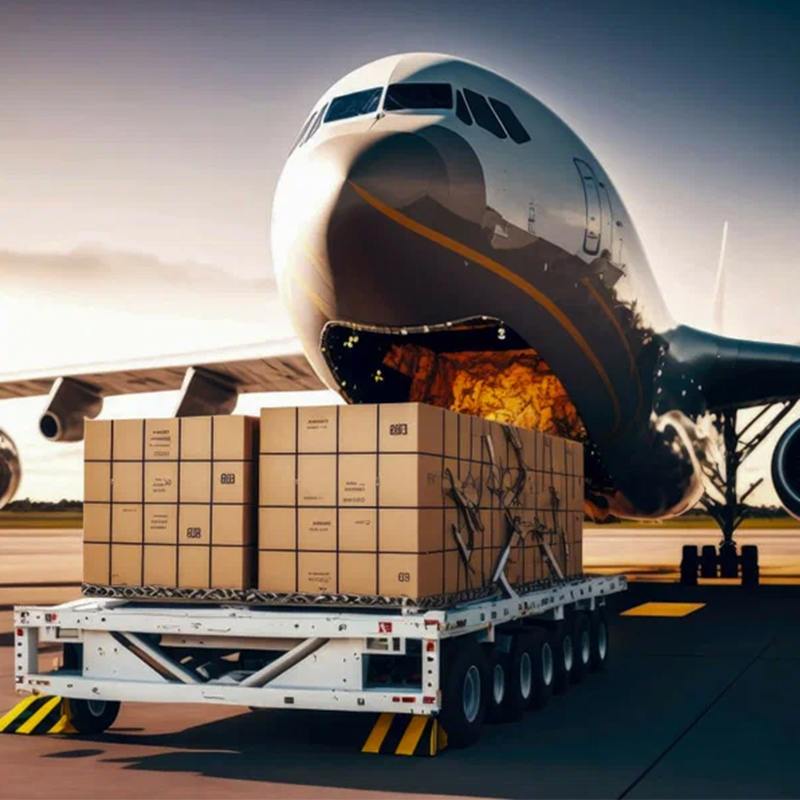
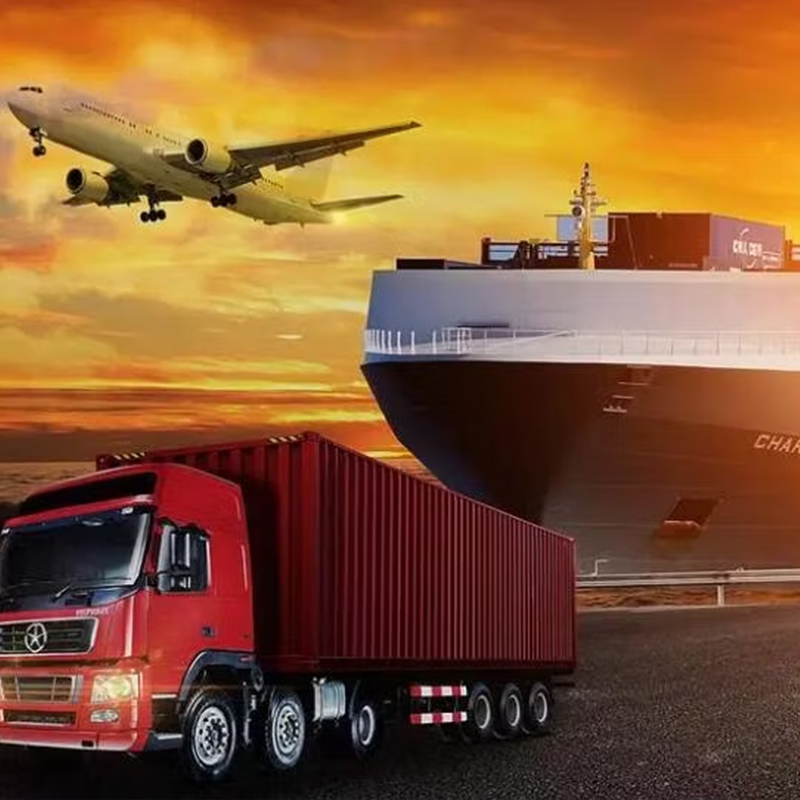
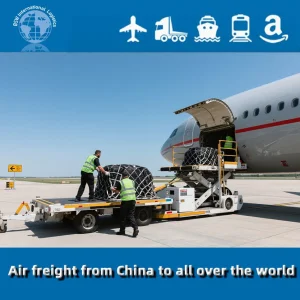
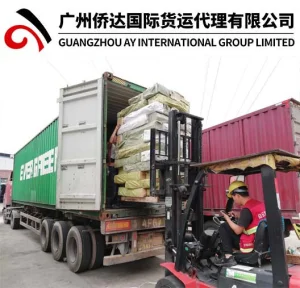
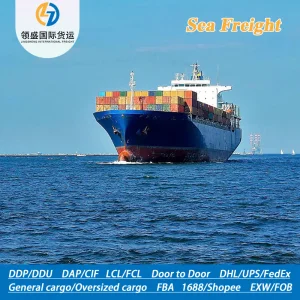
A second set of product and logistics programs frequently combined with Czech Republic shipments — including equipment for industrial cabinets, air and door-to-door express lanes, beverage machinery and agricultural systems.


It describes a single supplier relationship that covers three things at once: manufacturing a product to your specification (custom branding, dimensions, voltage, packaging), moving it from China to the Czech Republic, and handling the EU import formalities so the goods arrive at your door legally cleared. In practice the buyer receives one commercial invoice, one shipment reference and one point of accountability from factory release to Czech delivery.
Sea freight typically runs 30–45 days port-to-port depending on the origin port and gateway, plus 3–7 days for the inland leg from Hamburg, Gdańsk, Koper or Rotterdam to a Czech address. Rail via China–Europe block trains usually lands at 18–25 days. Air freight is normally 5–9 days door-to-door once cargo is ready. All ranges are indicative and vary with carrier schedules, border performance and seasonality.
Yes. Under DDP (Delivered Duty Paid), the seller or its appointed forwarder is the importer of record and settles both customs duty and Czech import VAT, so the buyer receives cleared goods with no surprise charges. Under DAP, the buyer remains the importer of record and handles duty and VAT locally. The correct choice depends on whether your company already holds an EORI number and Czech VAT registration.
A commercial invoice, packing list, bill of lading or air waybill, the EORI number of the importer, a certificate of origin where preferential duty is claimed, CE marking documentation and an EU Declaration of Conformity for regulated products, plus transport documents showing the Incoterms 2020 terms. Goods such as agricultural machinery or food-contact equipment may additionally require veterinary, plant-health or food-contact declarations.
Yes. Customisation can include private labelling, bespoke dimensions, EU plug and voltage variants, multilingual manuals and packaging designed to survive multiple handling stages. We coordinate factory sampling, pre-shipment inspection and re-packing at origin so that the goods that clear Czech customs are the goods you ordered — with no rework after arrival.
Compliance is checked before booking, not after arrival. We verify CE documentation, confirm that an EU-based responsible economic operator exists under Regulation (EU) 2019/1020, review GPSR traceability requirements, and confirm WEEE, RoHS and packaging EPR registrations where relevant. If documentation is incomplete, the shipment is held at origin rather than exposed to a customs or market-surveillance outcome in Europe.
A pre-agreed exception protocol activates: the missing document or classification issue is identified within 24 hours, the local broker escalates on your behalf, duty and VAT exposure is separated for clarity, and storage costs are contained through bonded options where available. After release we issue a written root-cause summary so the underlying data issue is corrected for future shipments.
FCL is generally more economical above roughly 15 cubic metres and safer for fragile or high-value OEM goods, since the container is not deconsolidated mid-route. LCL suits smaller volumes, trial orders and mixed-SKU pallet programs, provided the packaging is built for multi-handling. We model both options against total landed cost — including inland transfer, handling and warehousing — rather than freight rate alone.
Whether you are sourcing custom OEM hardware, industrial equipment or consumer electronics, DSERG Logistics builds the manufacturing, freight and compliance chain around your delivery date — with a clear quotation, a documented customs path and a named coordinator from origin to destination.
Request a DDP Czech Republic Quote