Operating as a crucial gateway within the European Single Market, Ireland is a hub for high-value manufacturing, electronics, pharmaceuticals, and industrial technology imports.
In the post-Brexit trade ecosystem, Ireland has re-engineered its logistics footprint. The requirement for direct, friction-free sea and air lanes bypasses traditional UK land bridges to avoid regulatory bottlenecks. Consequently, import-export structures require strict compliance with CE (Conformité Européenne) certification rules. This ensures that any technical machinery, electrical systems, and transportation equipment entering the territory conform to health, safety, and environmental protection standards.
Furthermore, the growth of Ireland's tech and renewable energy sectors has intensified the need for specialized cargo transport. Heavy industrial assemblies, electronic systems, and processing lines demand dedicated, end-to-end multimodal transport solutions that guarantee zero-defect handling and precise scheduling.
Under EU Regulation (EC) No 765/2008, CE certification is mandatory for relevant industrial imports entering Ireland. Global exporters must align manufacturing standards with these compliance parameters to prevent customs containment and administrative delays.
Jinhua DSERG Logistics Co., Ltd. is a professional international freight forwarding and supply chain service provider, positioned as a China International Logistics Dedicated Line | Air Freight & Express Shipping Solutions provider.
The company is committed to delivering fast, stable, and cost-efficient cross-border logistics services for global e-commerce, manufacturing exporters, and trading companies.
Founded in 2014 in Jinhua, China, DSERG Logistics initially focused on regional freight consolidation and export handling services. With the rapid growth of global e-commerce and cross-border trade, the company expanded into dedicated international logistics lanes covering air freight, express delivery, and multimodal transport solutions. By 2018, DSERG had established stable shipping routes connecting China with Europe, the United States, the UK, Australia, and Southeast Asia.
Today, the company operates a comprehensive logistics network integrating customs clearance, warehousing, cargo consolidation, and last-mile delivery. With advanced tracking systems and optimized route planning, DSERG ensures high efficiency, transparency, and reliability throughout the shipping process. Jinhua DSERG Logistics Co., Ltd. continues to serve clients across manufacturing, retail, and e-commerce industries worldwide. With a strong focus on speed, security, and service quality, the company is dedicated to building efficient international logistics dedicated lines and supporting seamless global trade connectivity.
Maximizing throughput and optimizing unit costs through advanced manufacturing clusters and integrated freight forwarding infrastructure.
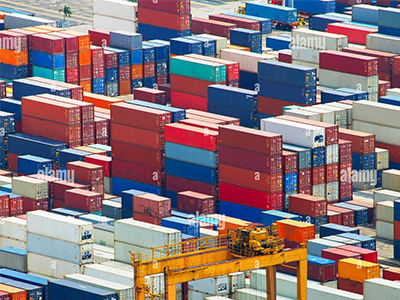
By routing freight via Jinhua and Shenzhen, DSERG leverages local manufacturing clusters. These regions supply specialized components, mechanical hardware, and finishing units directly to our cargo hubs, reducing domestic transit times.
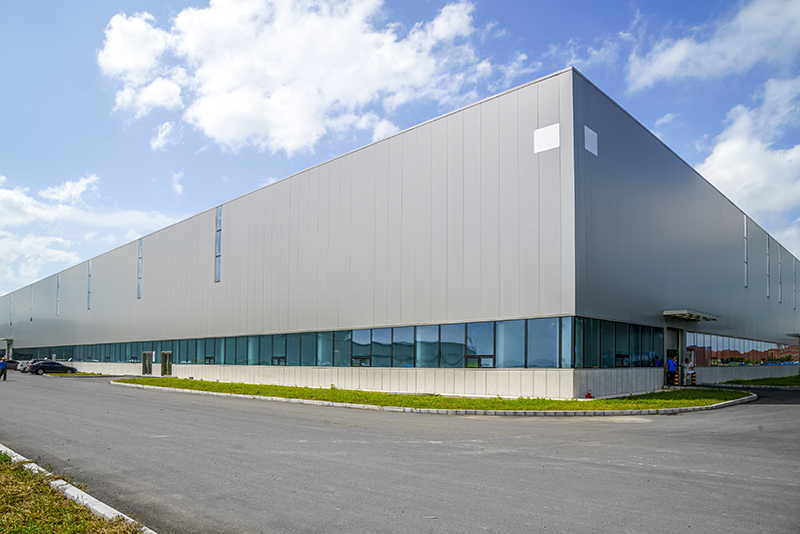
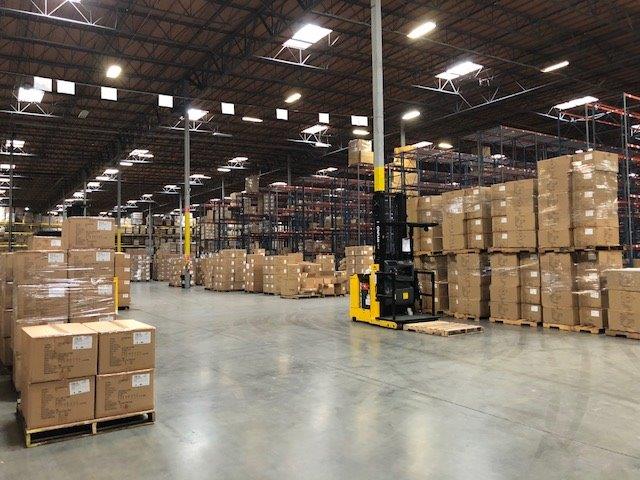
Equipped with state-of-the-art sorting and loading facilities, our transfer depots process cargo with computerized routing engines. This minimizes dwell times in transit, ensuring rapid container packing and document dispatch.
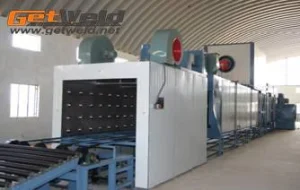
Every piece of industrial equipment, including electrostatic painting lines and powder booths, undergoes structural and electrical pre-shipment inspections. This guarantees full compatibility with Irish health and safety standards prior to vessel loading.
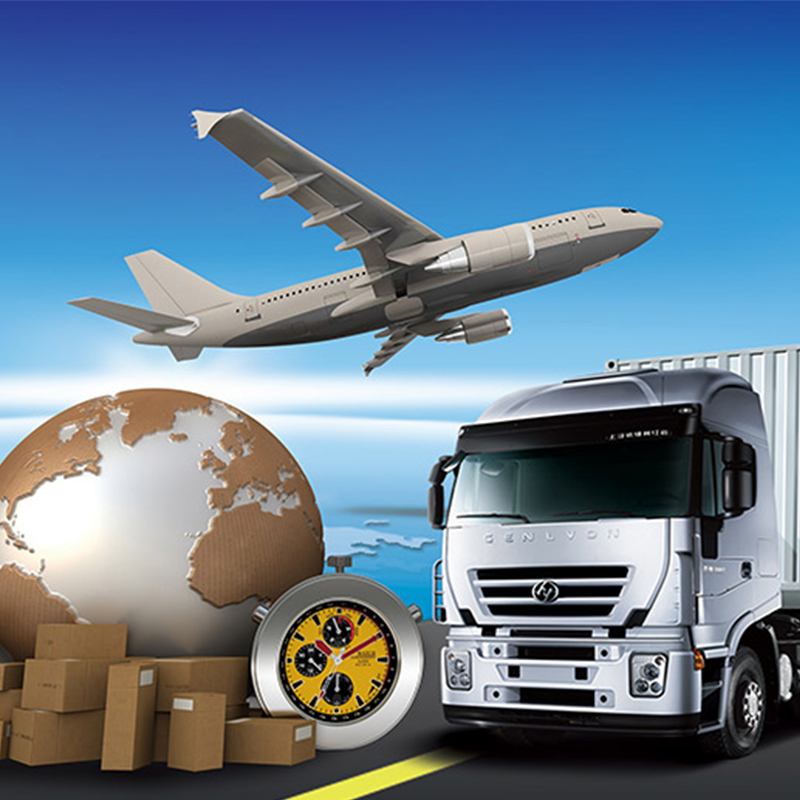
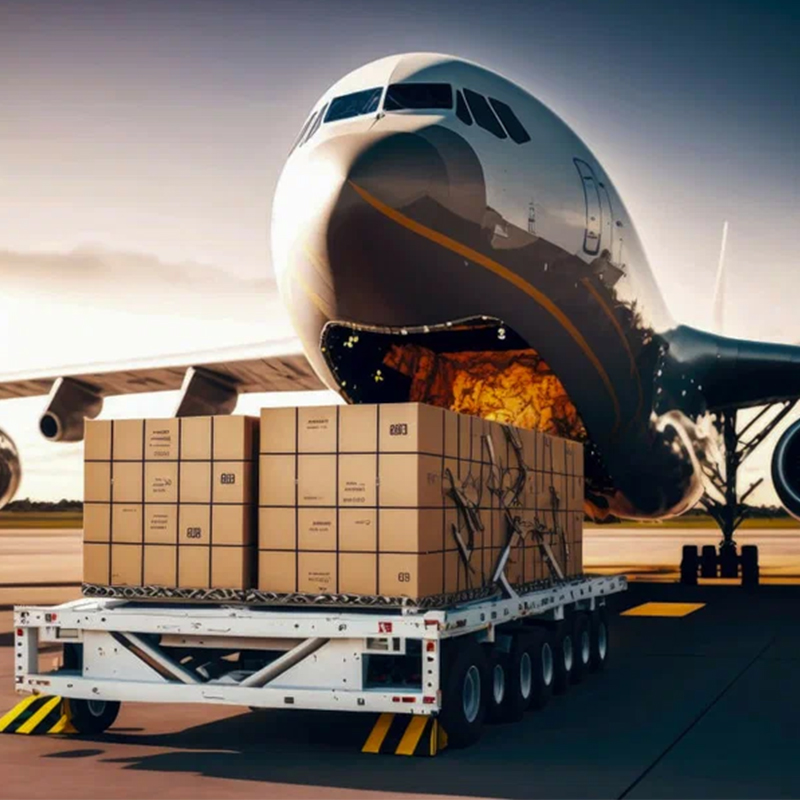
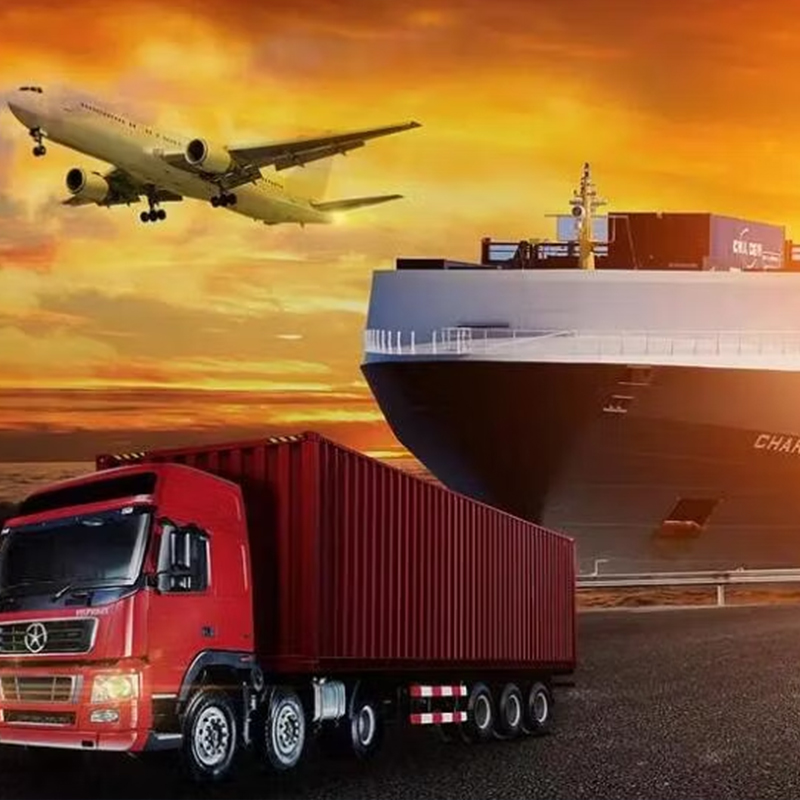
Ensuring continuous production and supply chains for Irish businesses through optimized cross-border shipping lanes.
Ireland serves as a global hub for life sciences. The transport of cleanroom machinery, packaging equipment, and chemical vessels from manufacturing hubs in China requires strict adherence to temperature corridors and vibration-limiting shipping frameworks. DSERG's specialized air cargo and DDP services facilitate predictable transit timelines for these high-value assemblies.
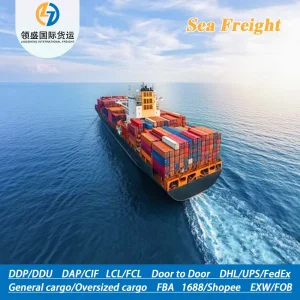
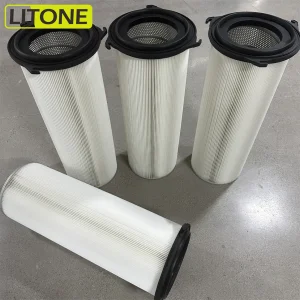
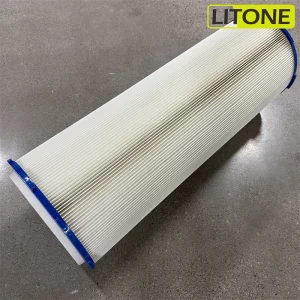
For Irish engineering workshops importing machinery like Automatic Electrostatic Painting Systems or Powder Booth Filters, freight safety is critical. The physical dimensions and sensitive mechanical parts require sea-freight solutions equipped with shock absorbing systems, custom crating, and direct roll-on/roll-off (Ro-Ro) handling to ensure components arrive ready for installation.
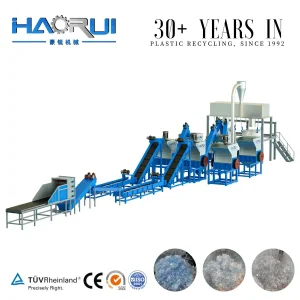
With Ireland transitioning toward circular economy models, recycling facilities import equipment such as Factory PET Flake Bottle Recycling Lines. DSERG handles the shipping logistics for these multi-container projects, managing heavy-duty machinery customs declarations and ensuring components meet EU compliance requirements for seamless entry.
Adapting to regulatory changes, digitalization, and decarbonization in international transport.
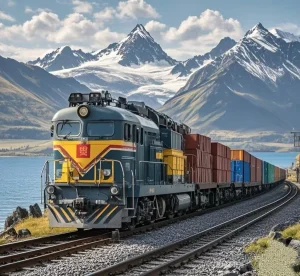
Predictive logistics algorithms analyze weather patterns, port congestion, and customs workloads to optimize transit paths. This approach minimizes transport delays, particularly for time-sensitive cargo routed via maritime channels from Shenzhen to northern European ports.
Maritime and air freight lanes are shifting toward lower-emission operations. By consolidating shipments, using biofuel-powered vessels, and planning direct routing configurations, DSERG helps clients lower the carbon footprint of their international imports.
Modern logistics relies on end-to-end cargo visibility. We employ smart sensor technologies that log temperature, relative humidity, and physical shocks. This data is transmitted back to our tracking platform, giving cargo owners complete transparency throughout the supply chain.
EU customs platforms are increasingly adopting automated systems like the Import Control System 2 (ICS2). Exporters must prepare digital datasets before loading, ensuring compliance verification and swift customs clearance upon arrival.
A standardized framework for industrial procurement teams structuring requests for proposals in global freight forwarding.
1. Specify Incoterms Clearly: Indicate whether transactions operate under FOB (Free on Board), CIF (Cost, Insurance, and Freight), DDU (Delivered Duty Unpaid), or DDP (Delivered Duty Paid). DSERG recommends DDP for companies seeking a managed door-to-door solution with pre-cleared customs.
2. Document Compliance: Ensure all cargo specifications verify CE compliance requirements, hazardous material designations, and HS codes. This documentation is vital for accurate tariff valuation and customs clearance.
3. Define Transit & Dimensional Metrics: Provide accurate measurements, weights, and handling requirements for non-standard cargo. Heavy equipment like painting lines or filter assemblies may require open-top containers or flat racks.
 DSERG Logistics